


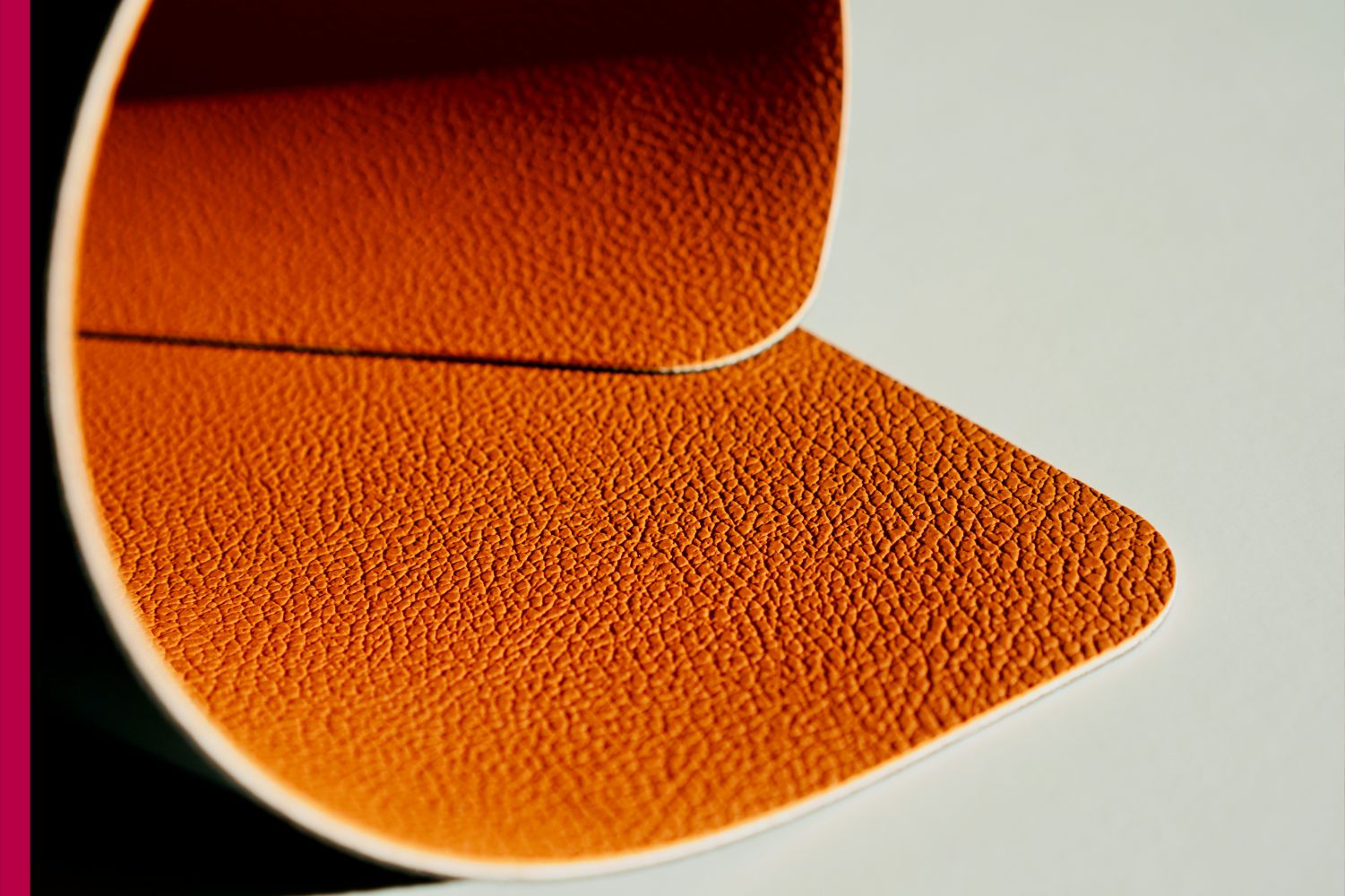
Leather has been used by humans for thousands of years and remains one of the most versatile and durable natural materials in the world. Derived from animal hides through a process called tanning, leather has played a vital role in daily life, fashion, industry, and culture. Its strength, flexibility, and long-lasting nature make it valuable across many applications, even in today’s modern and technology-driven world.
One of the most common uses of leather is in fashion and apparel. Leather jackets, shoes, belts, wallets, handbags, and accessories are popular for their durability and timeless appeal. Unlike synthetic materials, leather improves with age, developing a unique texture and character over time. Footwear made from leather offers comfort, breathability, and protection, making it a preferred choice for both casual and formal wear. In many cultures, traditional leather garments and accessories also hold symbolic and cultural significance.
Leather is widely used in furniture and interior design. Sofas, chairs, car seats, and office furniture made from leather are valued for their elegance, comfort, and longevity. Leather upholstery adds a luxurious look while being easy to clean and maintain. In automobiles, leather interiors are associated with premium quality, providing both aesthetic appeal and durability under constant use.
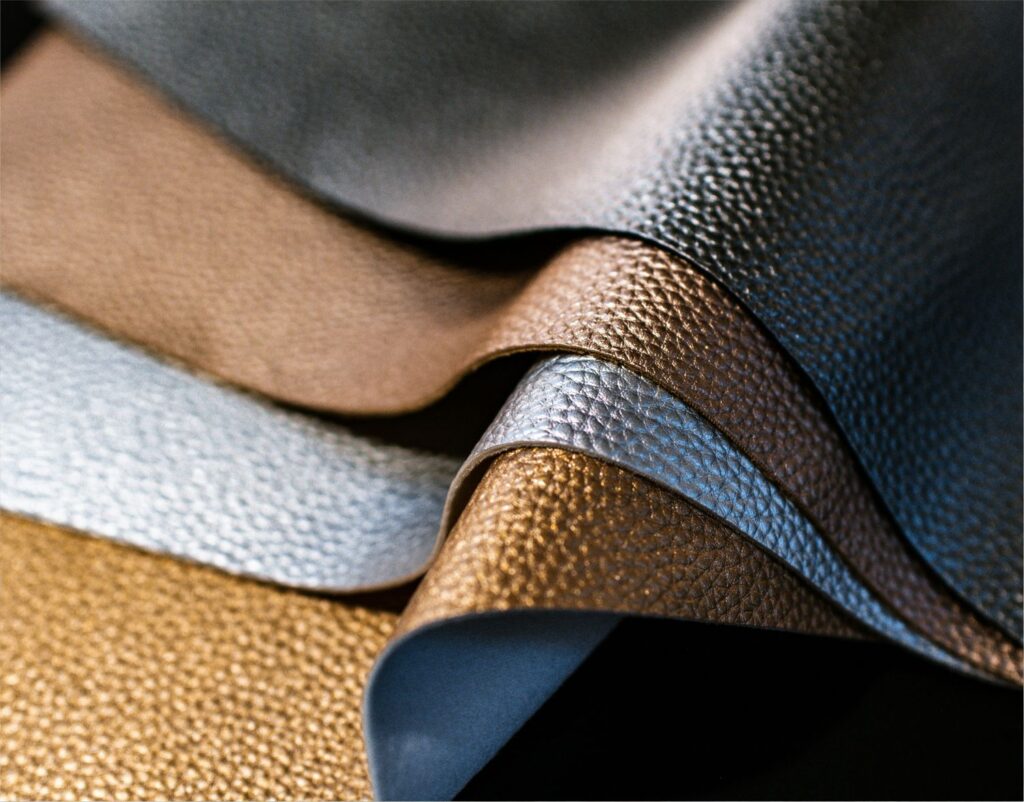
In addition to fashion and furniture, leather plays an important role in industrial and practical applications. It is used to manufacture safety gloves, tool belts, aprons, and protective gear for workers in industries such as construction, welding, and manufacturing. Leather’s resistance to heat, abrasion, and wear makes it ideal for protective equipment. Sports equipment such as cricket balls, footballs, baseball gloves, and boxing gear also rely on leather for performance and durability.
Leather has long been used in bookbinding and stationery. Traditional books with leather covers are valued for their strength and classic appearance. Diaries, journals, and folders made of leather are popular for their professional look and long life. These items often become personal keepsakes, lasting for many years.
Despite its many advantages, the usage of leather also raises ethical and environmental concerns. Animal welfare, chemical use in tanning, and pollution from leather processing are important issues. As awareness grows, the industry is adopting more sustainable practices such as vegetable tanning, eco-friendly processing, and responsible sourcing. Alternatives like recycled leather and plant-based leather substitutes are also gaining attention.
In conclusion, leather remains a significant material due to its durability, versatility, and timeless appeal. From fashion and furniture to industry and culture, its usage spans across many aspects of life. By promoting ethical practices and sustainable production, leather can continue to be used responsibly, balancing tradition with modern values and environmental care.