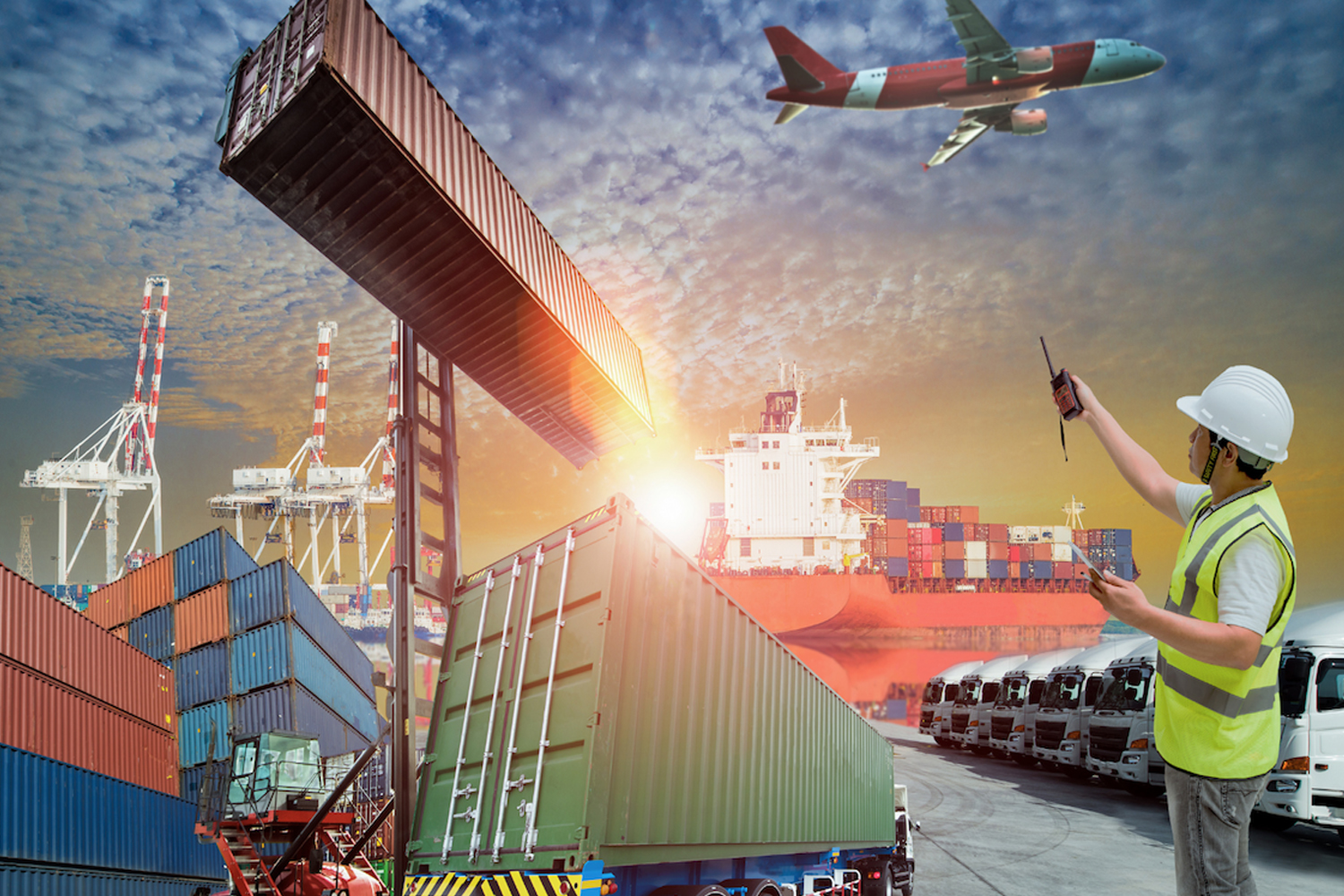







As global trade expands and consumer expectations for faster delivery increase, the logistics industry faces growing pressure to reduce its environmental impact. Sustainable logistics practices focus on minimizing carbon emissions, reducing waste, and improving resource efficiency while maintaining reliable and cost-effective supply chains. By integrating sustainability into logistics operations, businesses can achieve long-term resilience, regulatory compliance, and stronger brand value.
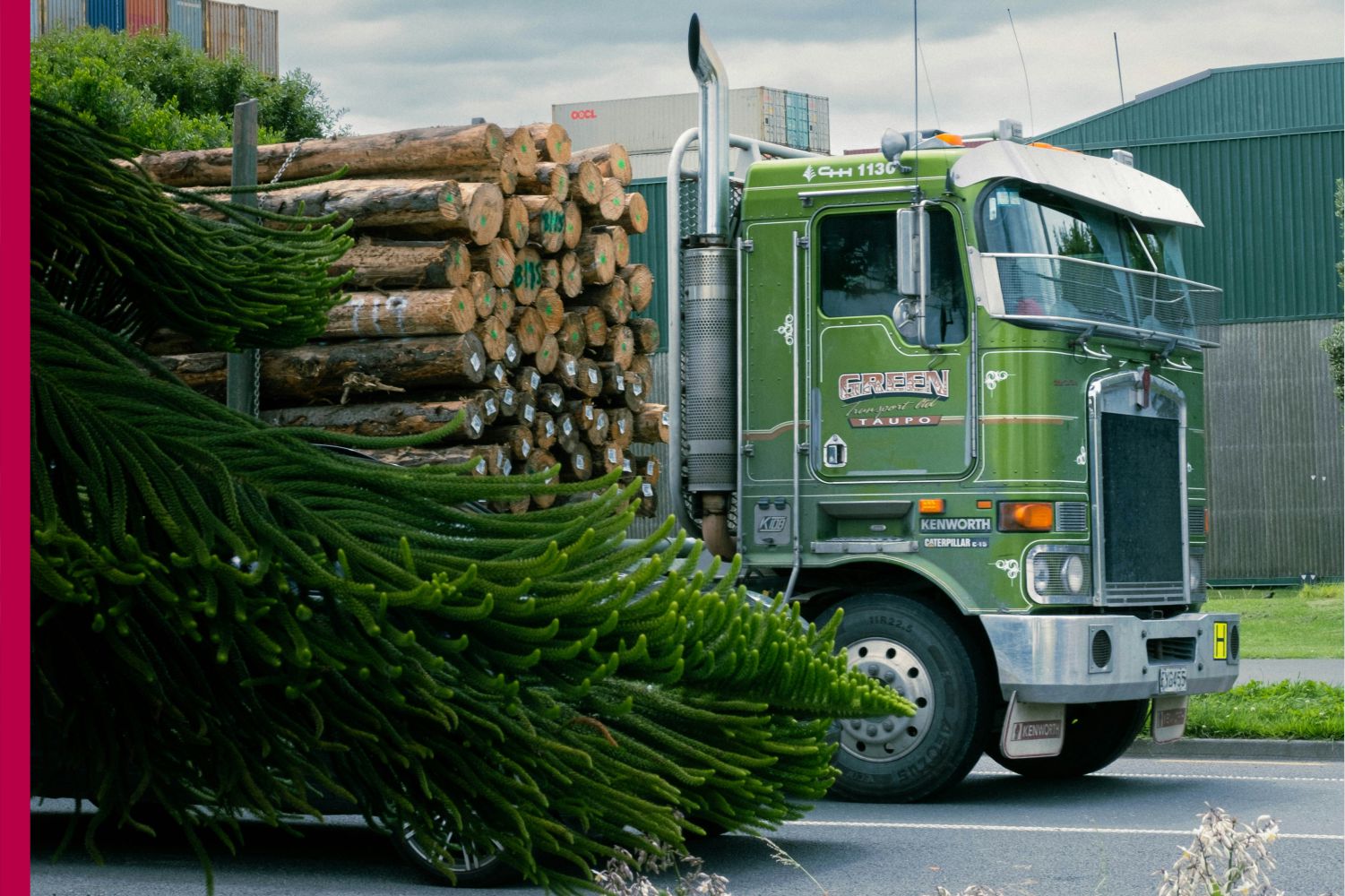
One of the most critical aspects of sustainable logistics is transportation optimization. Freight movement is a major contributor to greenhouse gas emissions, particularly from road and air transport. Companies are increasingly adopting route optimization software, load consolidation strategies, and intermodal transportation to reduce fuel consumption. Shifting freight from road to rail or sea where feasible significantly lowers emissions per unit transported. In addition, many logistics providers are transitioning to electric vehicles (EVs), hybrid fleets, and alternative fuels such as biofuels and hydrogen to decarbonize last-mile and long-haul delivery.
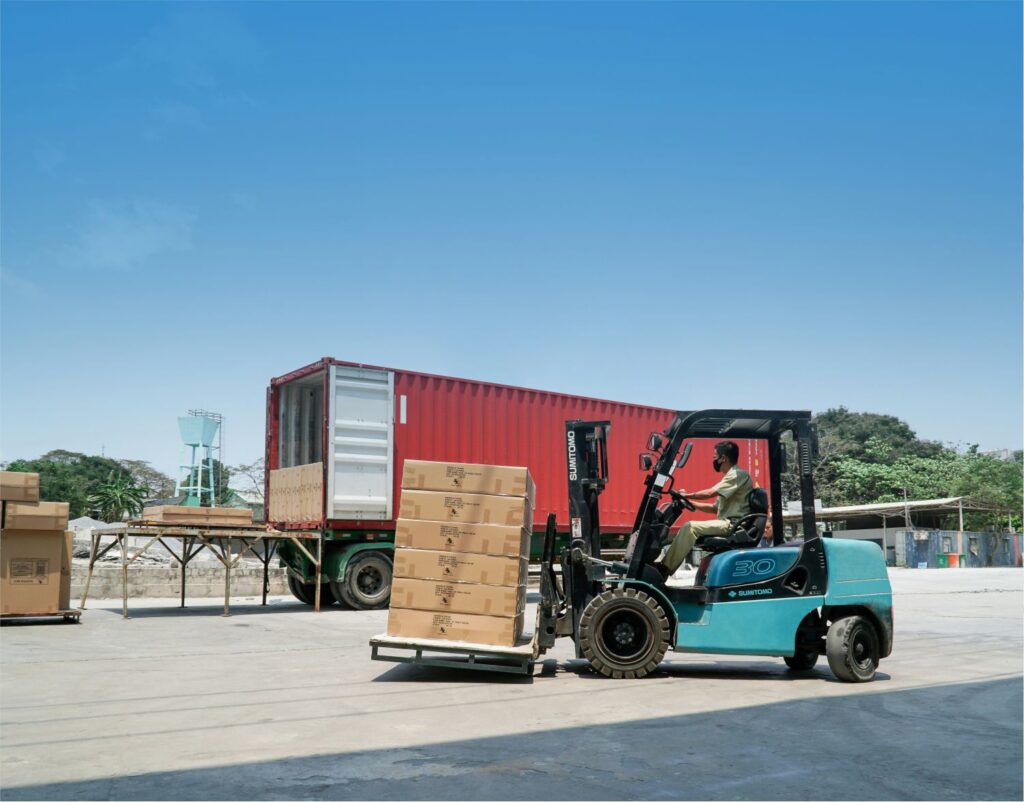
Another important pillar is energy-efficient warehousing. Warehouses consume large amounts of electricity for lighting, climate control, and automation. Sustainable logistics emphasizes the use of LED lighting, smart energy management systems, and renewable energy sources such as rooftop solar panels. Green building certifications and eco-friendly warehouse designs not only reduce emissions but also lower operating costs over time. Automation and AI-driven inventory management further help reduce energy waste by optimizing storage space and minimizing unnecessary material handling.
Packaging sustainability also plays a vital role. Excessive or non-recyclable packaging increases waste and transportation inefficiency. Companies are moving toward recyclable, biodegradable, and reusable packaging materials while redesigning packaging to be lighter and more compact. Right-sized packaging reduces material usage and allows more goods to be transported in a single shipment, cutting fuel consumption and emissions. Reverse logistics systems, which enable the return and reuse of packaging materials, are gaining popularity as part of circular economy initiatives.
Technology is a key enabler of sustainable logistics practices. Digital tools such as Internet of Things (IoT) sensors, blockchain, and data analytics provide real-time visibility into supply chains, enabling better decision-making and reduced inefficiencies. Organizations aligned with global sustainability goals, including guidance from the United Nations, encourage logistics companies to track emissions and adopt transparent reporting standards. This data-driven approach supports continuous improvement and accountability.
Leading logistics providers are demonstrating how sustainability and profitability can go hand in hand. Companies like DHL have committed to ambitious carbon neutrality targets by investing in green fleets, sustainable aviation fuel, and climate-positive logistics solutions. Such initiatives set industry benchmarks and encourage smaller players to adopt similar practices across the supply chain.
Despite the benefits, implementing sustainable logistics can be challenging. High upfront investment costs, limited access to green technologies, and complex global supply networks can slow adoption. However, supportive government policies, incentives, and increasing customer demand for eco-conscious brands are accelerating the transition.
In conclusion, sustainable logistics practices are no longer optional—they are essential for future-ready supply chains. By optimizing transportation, improving energy efficiency, adopting sustainable packaging, and leveraging digital technologies, logistics companies can reduce their environmental footprint while enhancing operational performance. As sustainability becomes a core business priority, logistics will play a decisive role in shaping a greener and more responsible global economy.