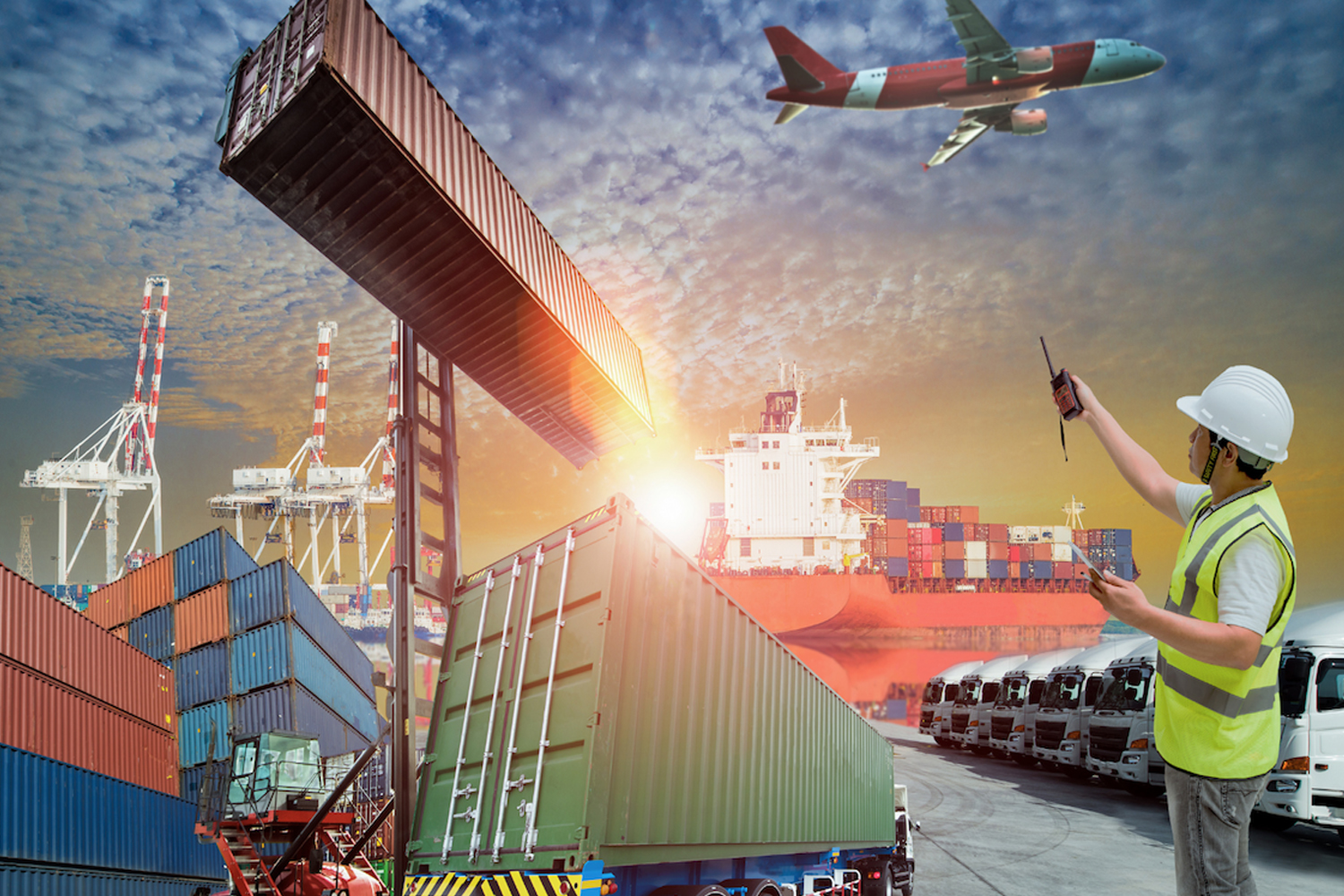
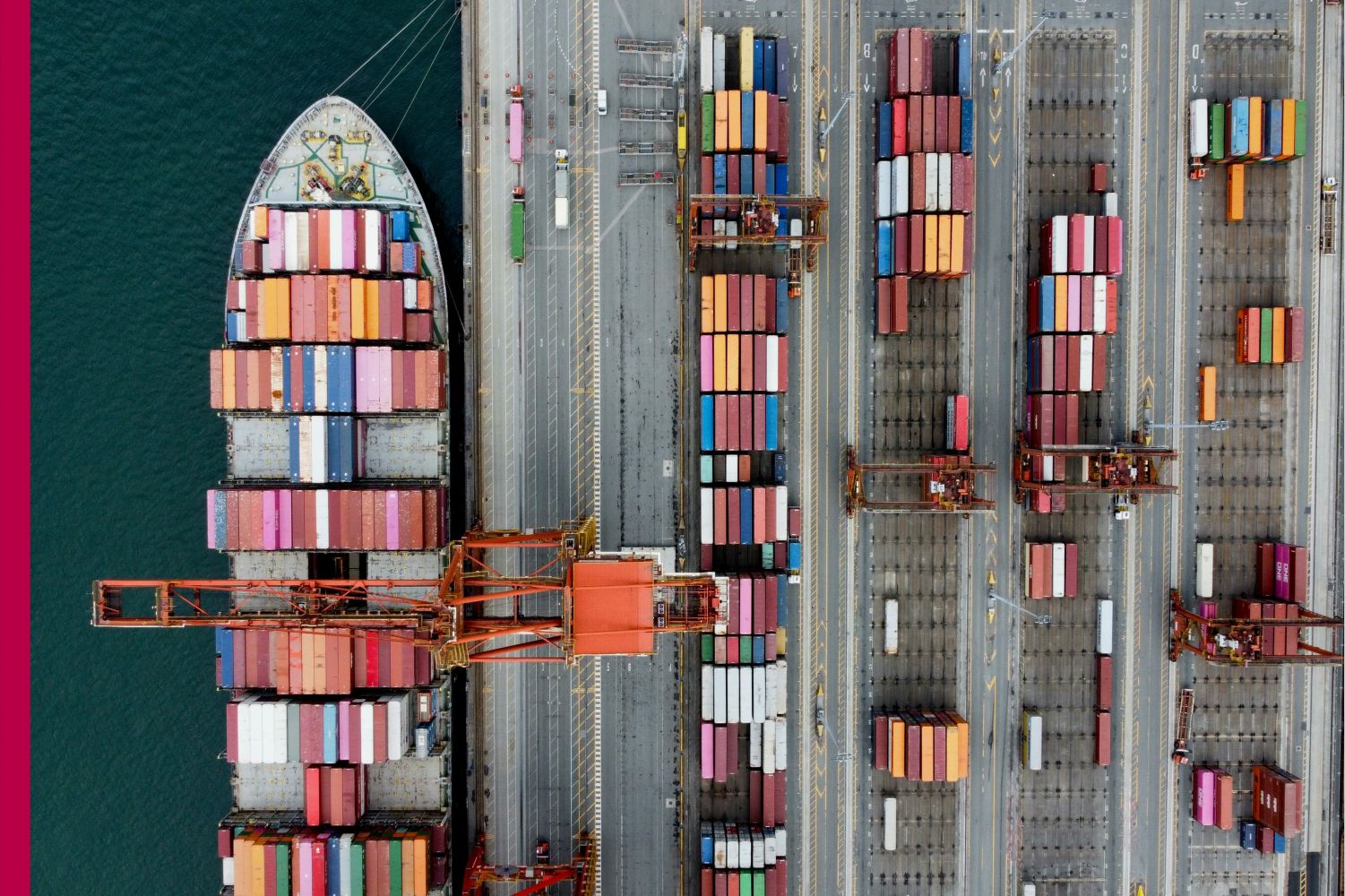



Global logistics is the backbone of international trade, enabling the movement of goods across borders and connecting manufacturers, suppliers, and consumers around the world. As businesses expand into international markets, efficient logistics systems become essential for maintaining smooth supply chains. However, the global logistics industry faces numerous challenges that can disrupt operations, increase costs, and impact delivery timelines. From geopolitical uncertainties to technological demands, companies must continuously adapt to manage these complex logistics environments.
One of the most significant challenges in global logistics is supply chain disruption. Events such as natural disasters, geopolitical conflicts, pandemics, and economic instability can interrupt the flow of goods and materials. For example, disruptions in major shipping routes or port operations can delay shipments and create bottlenecks in supply chains. The global impact of events like the COVID-19 pandemic demonstrated how vulnerable international logistics networks can be when transportation systems and manufacturing operations are affected simultaneously.
Transportation costs and fuel price fluctuations are another major concern for logistics companies. Global shipping relies heavily on fuel-dependent transportation systems such as cargo ships, airplanes, trucks, and rail networks. When fuel prices rise, transportation expenses increase significantly, affecting the overall cost of goods. Logistics providers must constantly optimize routes, improve fuel efficiency, and adopt cost-effective transportation strategies to remain competitive.
Customs regulations and international trade policies also present challenges for companies operating in global logistics. Each country has its own import and export regulations, documentation requirements, tariffs, and compliance standards. Managing these complex regulatory requirements can be time-consuming and requires specialized expertise. Delays in customs clearance or incorrect documentation can cause shipment delays and additional costs. Logistics companies must stay updated with evolving trade policies to ensure smooth cross-border operations.
Infrastructure limitations in certain regions can also impact global logistics efficiency. While developed countries may have advanced transportation networks and modern ports, developing regions may face challenges such as limited road connectivity, outdated port facilities, and inefficient warehousing systems. Poor infrastructure can slow down transportation, increase handling times, and create logistical inefficiencies. Investments in modern infrastructure and logistics hubs are essential for improving global supply chain performance.
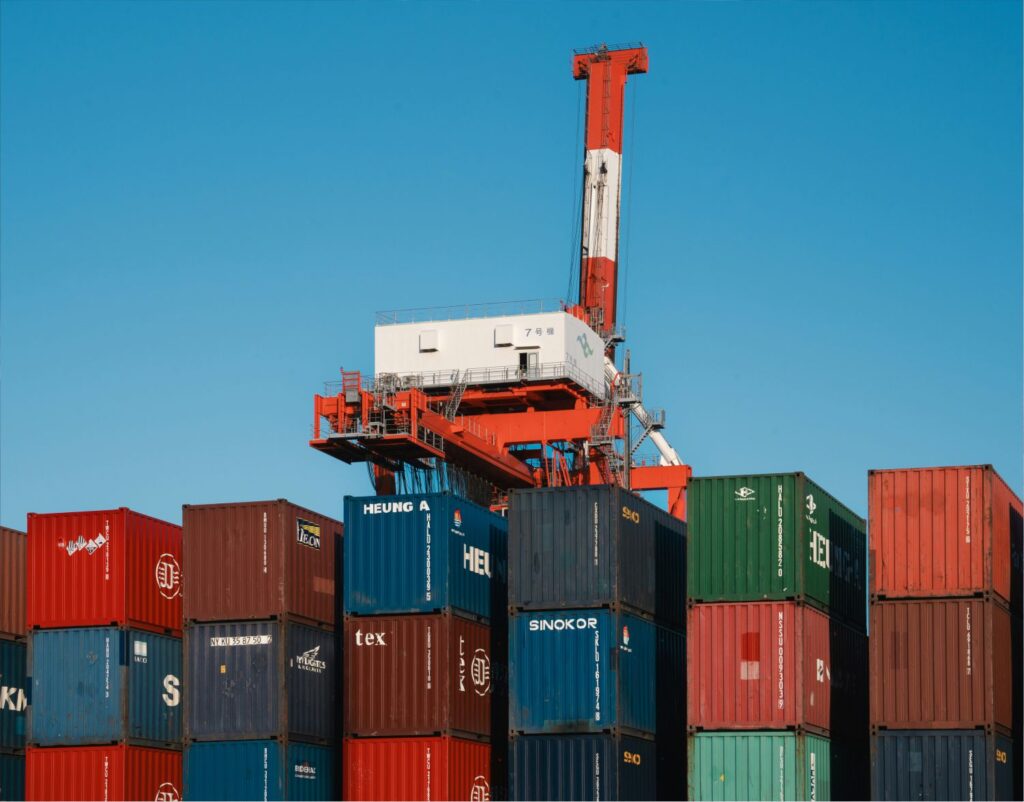
Technology integration is both an opportunity and a challenge in the logistics sector. Digital technologies such as real-time tracking systems, automated warehouses, artificial intelligence, and data analytics are transforming logistics operations. These innovations help companies improve visibility, optimize inventory management, and enhance decision-making. However, implementing advanced technologies requires significant investment and skilled personnel. Many logistics companies must balance technological adoption with operational costs.
Another growing challenge in global logistics is sustainability and environmental responsibility. Transportation and shipping activities contribute significantly to global carbon emissions. Governments, organizations, and consumers are increasingly demanding environmentally responsible logistics practices. Companies are exploring solutions such as electric delivery vehicles, alternative fuels, optimized shipping routes, and energy-efficient warehouses to reduce their environmental impact while maintaining operational efficiency.
Labor shortages are also affecting the logistics industry worldwide. Skilled workers such as truck drivers, warehouse operators, and logistics coordinators are essential for maintaining smooth supply chain operations. However, many regions are experiencing shortages in these roles due to changing workforce trends and demanding working conditions. Companies must invest in workforce training, automation technologies, and improved working environments to address these labor challenges.
In conclusion, global logistics plays a vital role in supporting international trade and economic development, but it also faces a wide range of complex challenges. Supply chain disruptions, rising transportation costs, regulatory requirements, infrastructure limitations, technological demands, sustainability concerns, and workforce shortages all impact logistics operations. To overcome these obstacles, companies must adopt innovative strategies, invest in modern technologies, and build resilient supply chains. By doing so, the global logistics industry can continue to support efficient trade and meet the evolving demands of a connected global economy.