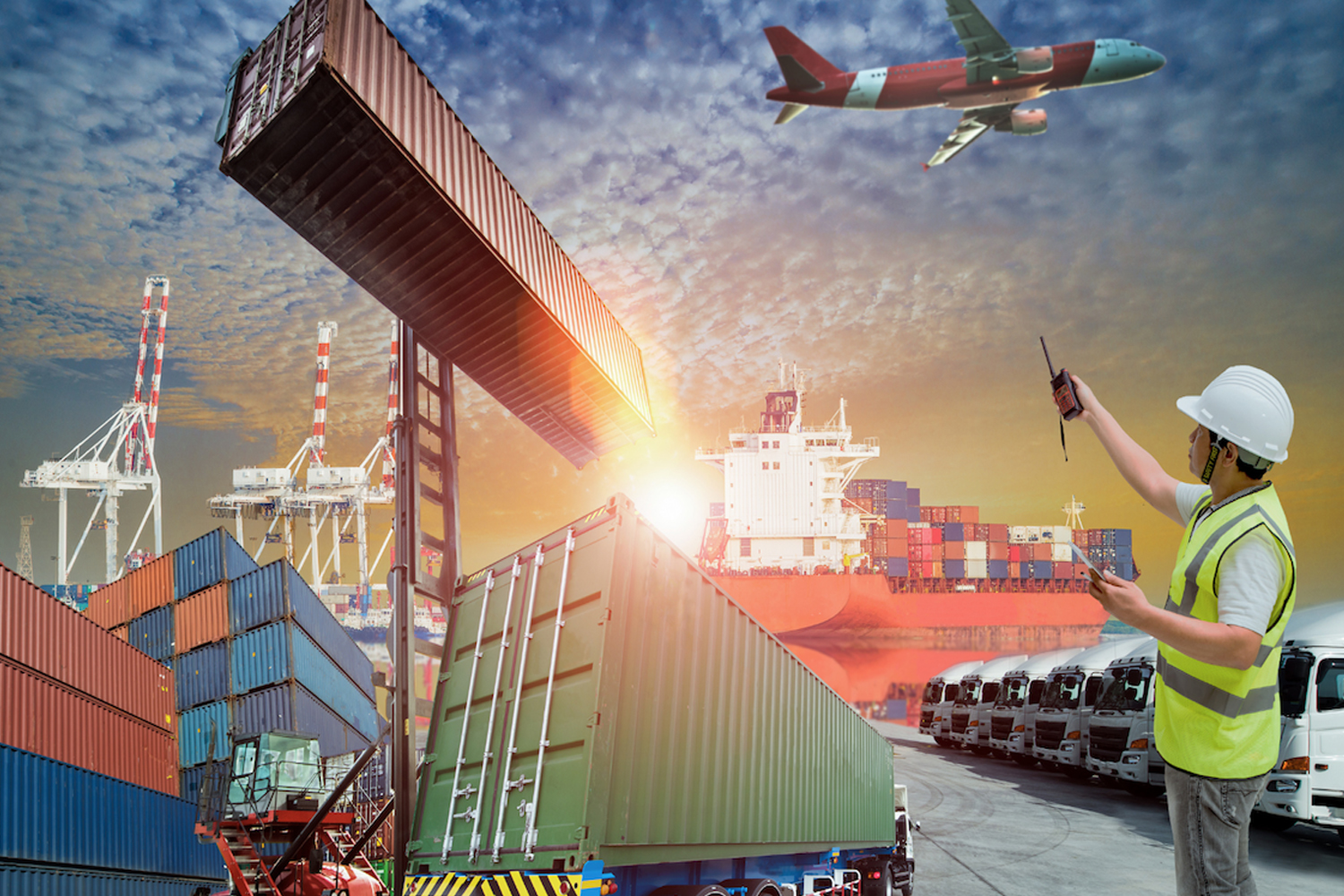





In today’s interconnected world, logistics has become one of the most vital components of the global economy. From ensuring that raw materials reach factories on time to delivering finished products to customers across continents, logistics plays a central role in keeping businesses and industries running smoothly. It is often referred to as the backbone of global trade, as it connects producers, suppliers, and consumers through efficient movement and management of goods, services, and information.
At its core, logistics refers to the planning, implementation, and coordination of the flow of goods from the point of origin to the point of consumption. This includes activities such as transportation, warehousing, inventory management, order fulfillment, and distribution. In recent years, with the rise of e-commerce and globalization, logistics has evolved from being a simple delivery service into a highly strategic and technology-driven industry.
The modern logistics sector is powered by innovation and technology. Digitalization and automation have revolutionized how goods are stored, tracked, and transported. Advanced tools such as GPS tracking, warehouse automation, and artificial intelligence (AI) allow companies to monitor shipments in real time, optimize routes, and reduce operational costs. The use of data analytics helps predict demand patterns, ensuring that inventory levels are maintained efficiently without overstocking or shortages.
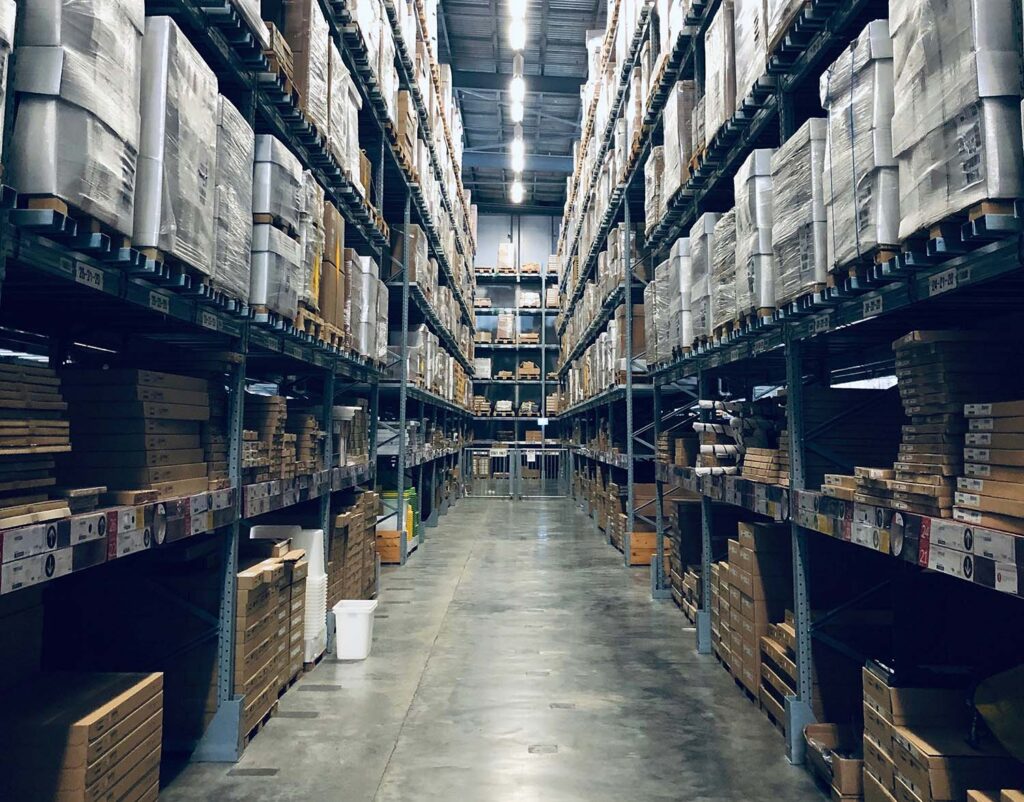
One of the major trends shaping today’s logistics industry is the growth of e-commerce. The rise of online shopping has created an enormous demand for faster and more reliable delivery systems. Consumers now expect same-day or next-day delivery, pushing logistics companies to innovate through efficient last-mile delivery solutions. Warehouses are increasingly located closer to urban centers, and companies are adopting smart inventory systems to meet the growing demand for speed and accuracy.
Sustainability has also become a key focus in the logistics sector. As environmental awareness grows, businesses are adopting green logistics practices to reduce their carbon footprint. This includes using electric or hybrid vehicles, optimizing delivery routes to cut fuel consumption, and utilizing eco-friendly packaging materials. The shift toward sustainable logistics not only benefits the planet but also enhances brand reputation and customer loyalty.
The logistics industry also faces significant challenges. Rising fuel prices, global supply chain disruptions, labor shortages, and geopolitical tensions can all impact delivery timelines and costs. The COVID-19 pandemic, for instance, highlighted the vulnerabilities in international supply chains, leading companies to rethink their logistics strategies and invest in resilience. Many businesses are now focusing on regional sourcing and diversified supply networks to minimize risk.
Looking ahead, the future of logistics lies in smart technologies and collaboration. Concepts like blockchain are being introduced to improve transparency and security in shipment tracking. Drones, autonomous vehicles, and robotics are expected to transform delivery systems, making them faster, safer, and more efficient. Moreover, the integration of artificial intelligence and the Internet of Things (IoT) will further streamline operations and enhance decision-making.
In conclusion, logistics is much more than just transportation—it is the engine that drives trade, commerce, and economic growth. As technology and sustainability continue to reshape the industry, logistics will remain an essential force connecting businesses to markets and products to people. Efficient logistics ensures that the world keeps moving—swiftly, safely, and sustainably.