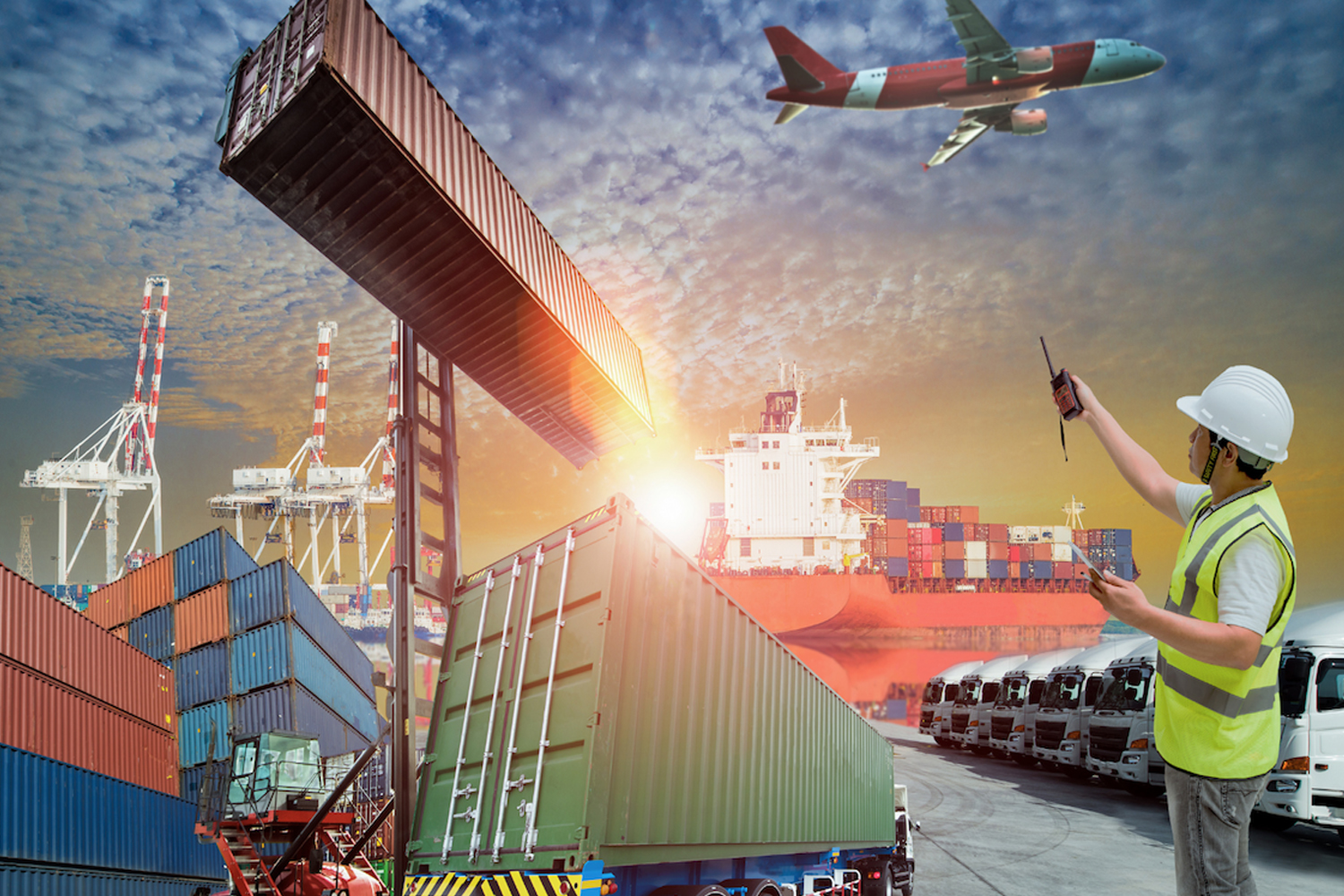




Artificial Intelligence (AI) is rapidly transforming the logistics industry by optimizing operations, reducing costs, and improving delivery performance. In an era where speed, accuracy, and efficiency define competitiveness, AI-powered logistics optimization enables companies to manage complex supply chains with greater precision and flexibility. From demand forecasting to last-mile delivery, AI is reshaping how goods move across the globe.
One of the most impactful applications of AI in logistics is demand forecasting. Traditional forecasting methods often rely on historical data and manual analysis, which can struggle to adapt to sudden market changes. AI algorithms analyze vast datasets that include sales trends, seasonal patterns, weather conditions, and real-time market signals to generate accurate demand predictions. Better forecasting helps companies maintain optimal inventory levels, reduce stockouts, and minimize excess inventory costs.
AI also plays a crucial role in route optimization and transportation management. Logistics networks involve thousands of variables such as traffic conditions, fuel costs, delivery windows, and vehicle capacity. AI-powered systems process this data in real time to determine the most efficient routes for shipments. This not only reduces delivery times and fuel consumption but also lowers carbon emissions, supporting sustainability goals. Global logistics leaders like DHL actively use AI-driven tools to enhance route planning and operational efficiency.
Warehouse operations have seen significant improvements through AI-driven automation and analytics. AI-powered robots and smart systems handle tasks such as sorting, picking, packing, and inventory tracking with high speed and accuracy. Computer vision and machine learning help detect errors, optimize storage layouts, and predict maintenance needs for equipment. As a result, warehouses become more productive, safer, and cost-efficient.
Another important area of AI-driven logistics optimization is supply chain visibility. AI integrates data from multiple sources, including suppliers, manufacturers, transportation providers, and customers, to provide real-time visibility across the entire supply chain. This transparency enables businesses to quickly identify disruptions, assess risks, and make informed decisions. For example, during delays caused by weather or geopolitical issues, AI systems can recommend alternative suppliers or routes to maintain continuity.
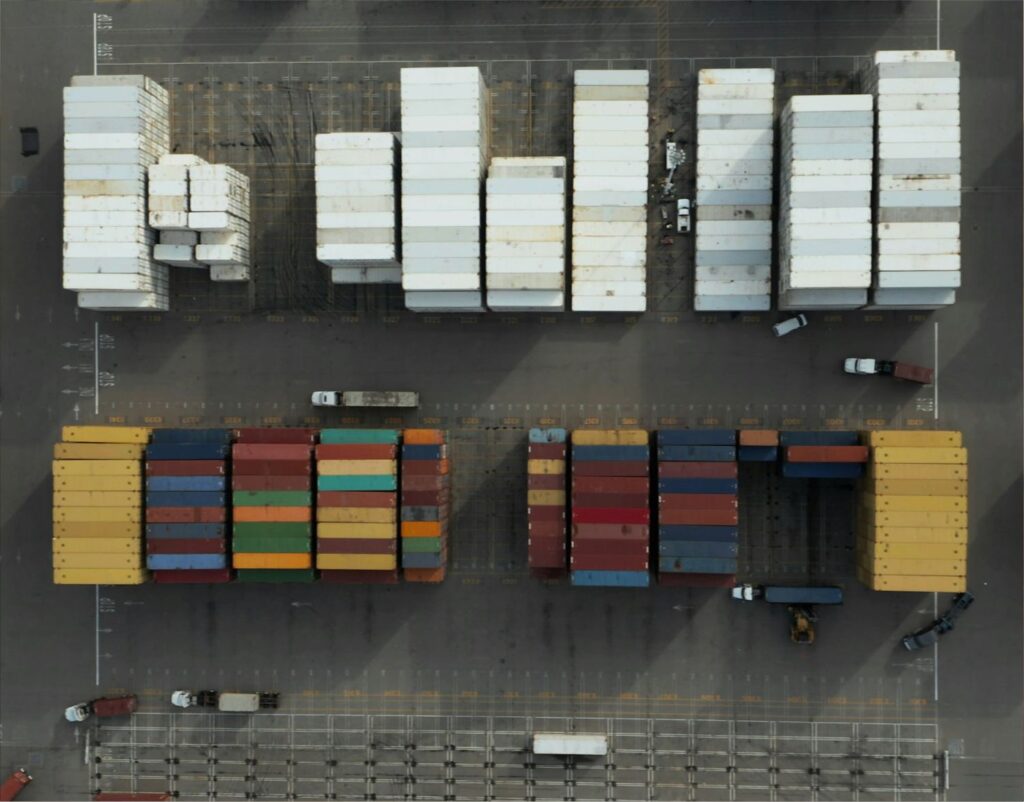
AI-powered predictive analytics is also transforming risk management in logistics. By analyzing historical disruptions and real-time signals, AI can predict potential risks such as supplier failures, port congestion, or transportation delays. Early warnings allow companies to take proactive measures, reducing downtime and financial losses. This level of resilience is increasingly important in today’s complex and interconnected global supply chains.
Customer experience has also improved through AI in logistics. AI-driven systems enable accurate delivery time predictions, real-time tracking, and proactive communication with customers. E-commerce giants like Amazon use AI to optimize fulfillment centers and last-mile delivery, ensuring faster and more reliable service. Personalized delivery options and automated customer support further enhance satisfaction and trust.
Despite its many advantages, implementing AI in logistics comes with challenges. High initial investment, data integration complexity, and the need for skilled professionals can slow adoption. Additionally, data security and ethical use of AI must be carefully managed to maintain trust and compliance.
In conclusion, AI in logistics optimization is transforming supply chains by improving forecasting, transportation, warehousing, risk management, and customer experience. As AI technologies continue to advance, logistics operations will become more agile, resilient, and sustainable. Organizations that embrace AI-driven logistics optimization are better positioned to meet growing customer expectations and thrive in an increasingly competitive global marketplace.