



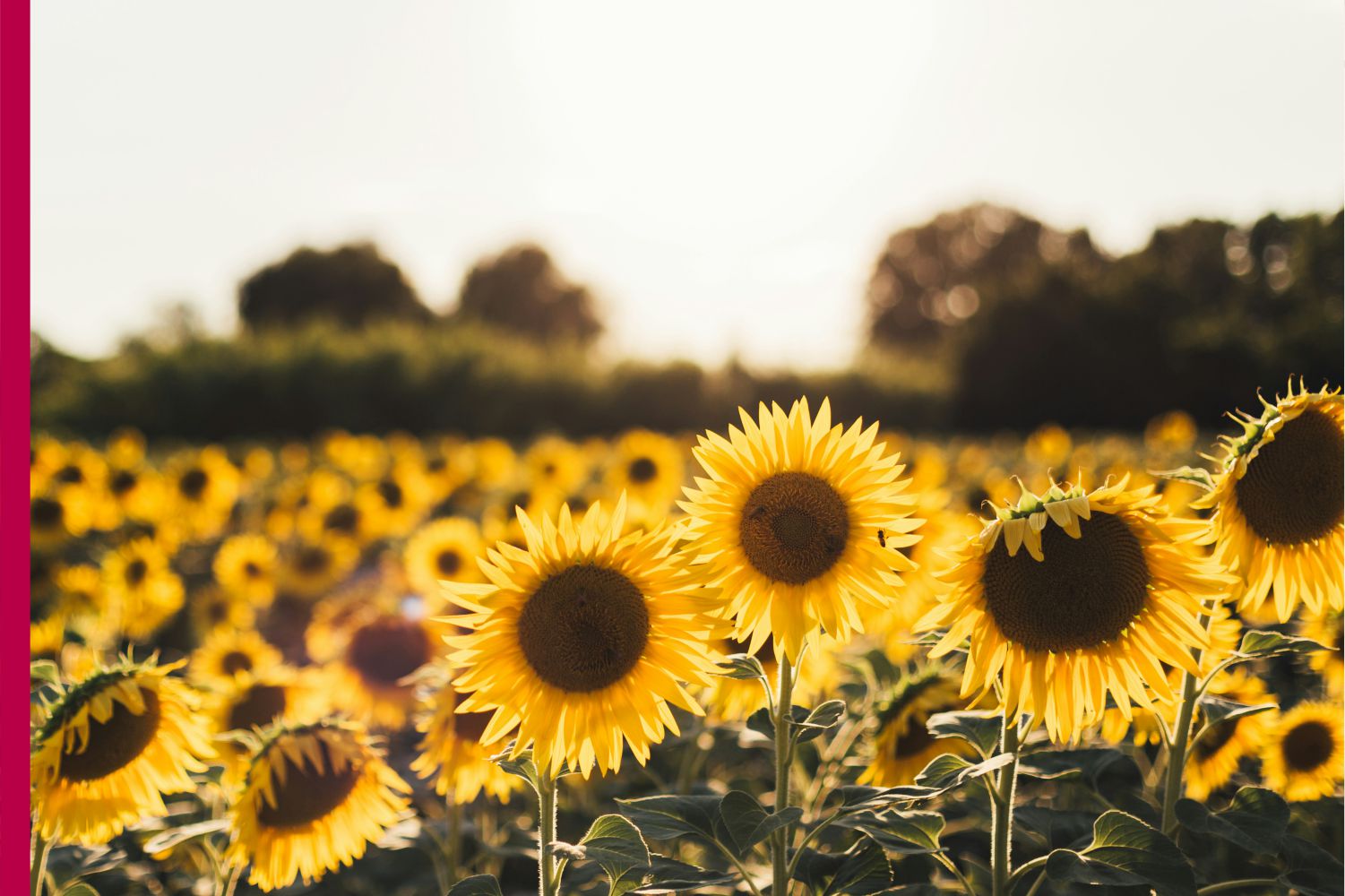
The sunflower is one of the most recognizable and beloved flowers in the world, admired for its vibrant yellow petals, tall stature, and unique ability to follow the sun. Scientifically known as Helianthus annuus, the sunflower derives its name from the Greek words helios (sun) and anthos (flower). Native to North America, sunflowers have traveled across continents and cultures, becoming a powerful symbol of warmth, optimism, and resilience.
One of the most fascinating characteristics of the sunflower is heliotropism—the movement of young sunflower heads as they track the sun from east to west throughout the day. This behavior helps the plant maximize sunlight exposure, aiding in efficient photosynthesis and healthy growth. As the flower matures, it usually settles facing east, a position that allows it to warm up quickly in the morning and attract pollinators like bees. This natural relationship between the sunflower and the sun has long inspired poets, artists, and scientists alike.
Sunflowers are not just visually striking; they are also agriculturally and economically important. Sunflower seeds are a valuable food source, consumed raw, roasted, or processed into sunflower oil. Sunflower oil is widely used in cooking due to its light flavor, high smoke point, and heart-friendly unsaturated fats. The seeds are also rich in vitamins, minerals, antioxidants, and healthy fats, making them a popular choice for health-conscious consumers. Beyond human consumption, sunflower by-products are used as animal feed and in the production of biofuels.
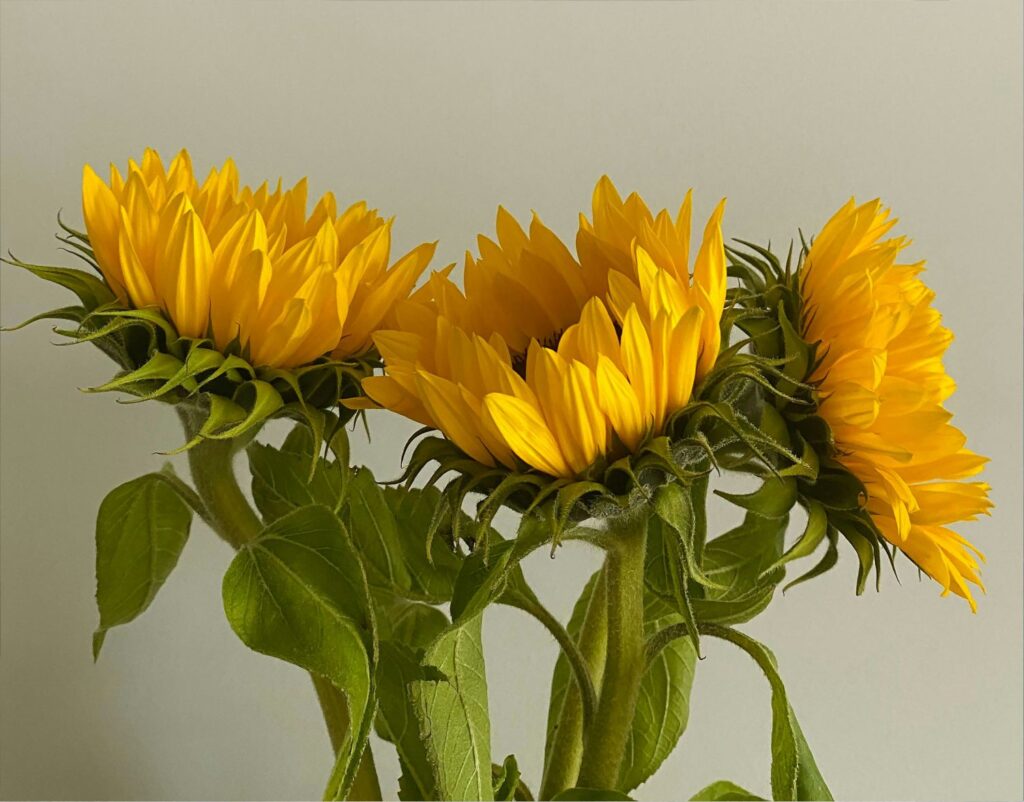
Culturally, sunflowers hold deep symbolic meaning. In many traditions, they represent happiness, loyalty, hope, and longevity. Their bright appearance is often associated with positivity and mental well-being. Sunflowers have also been used as symbols of peace and strength, especially in times of hardship. In art history, they are famously associated with Vincent van Gogh, whose sunflower paintings captured the flower’s intense color and emotional depth, leaving an everlasting impact on modern art.
From an environmental perspective, sunflowers play a helpful role in sustainable practices. They are known for their ability to absorb toxins and heavy metals from the soil, a process called phytoremediation. This unique trait has made sunflowers useful in cleaning contaminated land, including areas affected by industrial pollution. Additionally, their large blooms provide an excellent food source for pollinators, supporting biodiversity and healthy ecosystems.
Growing sunflowers is relatively easy, making them a favorite among gardeners and farmers. They thrive in sunlight, well-drained soil, and require minimal maintenance once established. Their impressive height and cheerful blooms can transform gardens, fields, and landscapes into vibrant spaces full of life.
In essence, the sunflower is more than just a flower—it is a symbol of resilience, nourishment, and natural beauty. With its blend of aesthetic appeal, cultural significance, and practical value, the sunflower continues to stand tall as a shining example of how nature blends function with inspiration.