

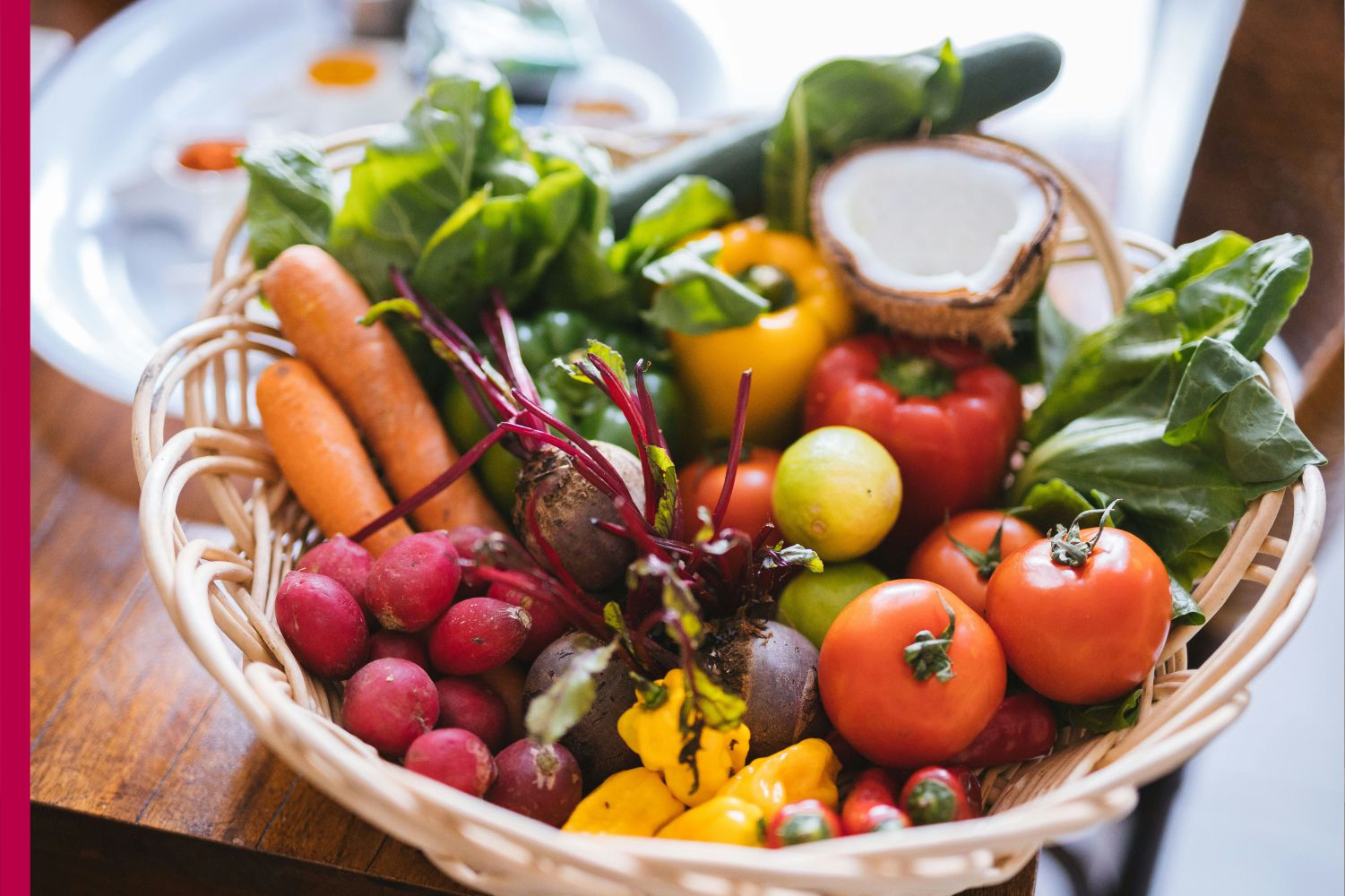



The coconut tree is often referred to as the “Tree of Life” because of its countless uses and benefits. Found mainly in tropical regions, especially along coastal areas, the coconut tree plays an important role in the daily lives of millions of people. Almost every part of the tree is useful, making it one of the most valuable and sustainable natural resources.
The most popular and widely used part of the coconut tree is the coconut fruit. Coconut water is a natural, refreshing drink rich in electrolytes, making it beneficial for hydration and health. The white flesh of the coconut, known as copra when dried, is used in cooking, sweets, and traditional dishes across many cultures. Coconut milk and coconut cream are essential ingredients in many cuisines, especially in South Asian and Southeast Asian cooking.
Coconut oil is another major product derived from the coconut tree. Extracted from dried or fresh coconut meat, it is used for cooking, skincare, hair care, and medicinal purposes. Coconut oil is valued for its natural properties and long shelf life. In traditional medicine, it is believed to have antibacterial and moisturizing benefits, making it a common household item.
The coconut tree’s husk, known as coir, is also highly useful. Coir fiber is extracted from the outer shell and used to make ropes, mats, brushes, carpets, and mattresses. It is durable, biodegradable, and resistant to saltwater, making it ideal for coastal applications. Coir is also used in gardening as a natural growing medium that improves soil aeration and water retention.

The hard shell of the coconut is used in various creative and practical ways. It can be crafted into bowls, ladles, ornaments, and decorative items. In rural areas, coconut shells are used as fuel or converted into charcoal. Coconut shell charcoal is valued for its high heat and is also used in water purification and industrial applications.
The trunk of the coconut tree is used as timber for construction and furniture, especially in rural regions. It is commonly used for building houses, bridges, and fencing. Coconut wood is strong and durable, making it a useful alternative to traditional timber. The leaves of the coconut tree are used for roofing, weaving baskets, mats, fans, and other household items. Dried leaves are also used as fuel.
Coconut flowers produce sap, which is used to make products like jaggery, vinegar, and traditional beverages. This sap is rich in nutrients and has been used in local cuisines and medicines for generations. Even the roots of the coconut tree are used in traditional medicine and for making dyes.
In conclusion, the coconut tree is a remarkable example of nature’s generosity. Its wide range of uses supports food, shelter, health, and livelihoods, especially in tropical communities. Sustainable and versatile, the coconut tree truly earns its title as the Tree of Life, providing value in countless ways to both people and the environment.