




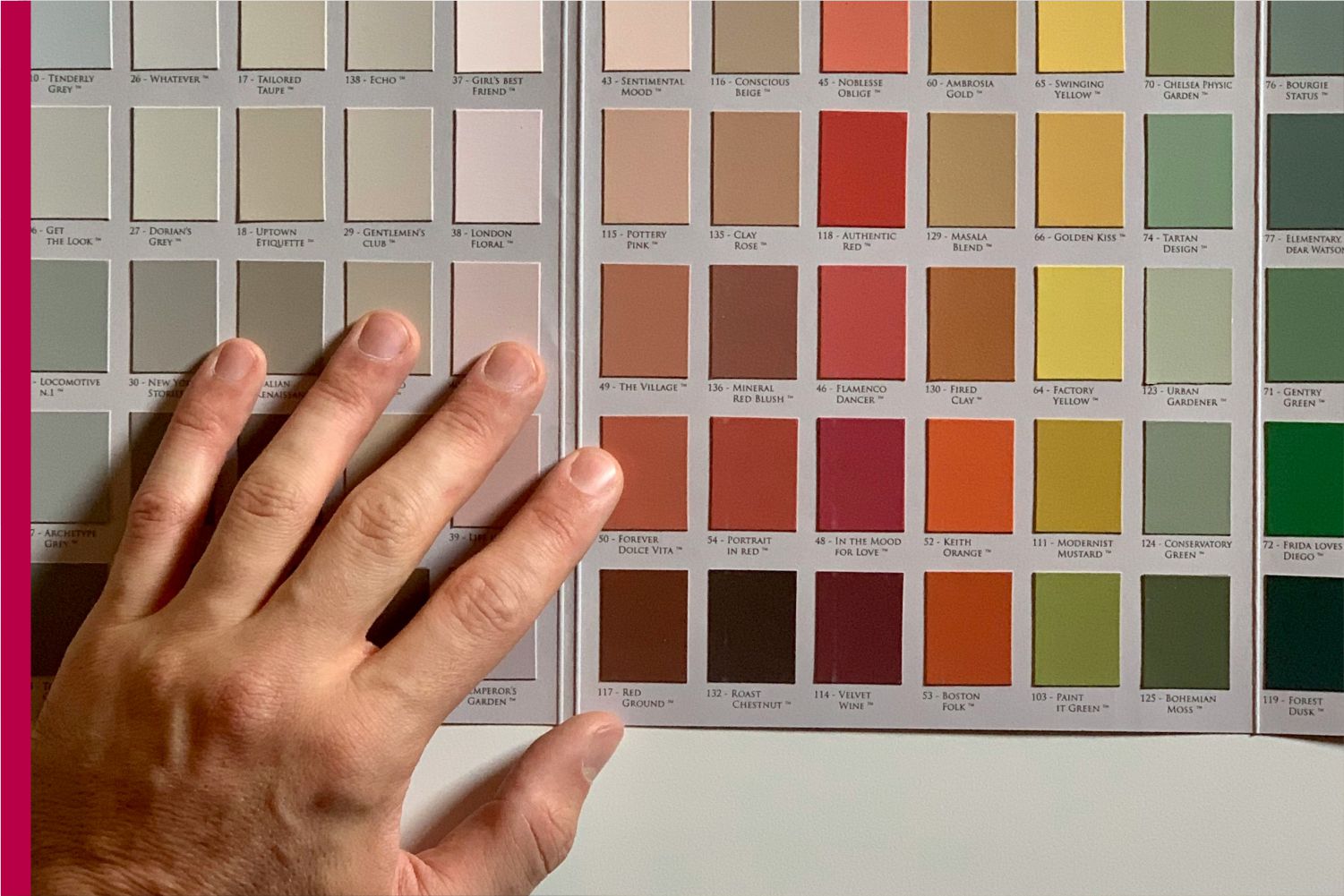
Color plays a significant role in how we interpret the world around us from reading traffic signals to choosing clothes or appreciating art. But for millions of people worldwide, this experience is quite different. Color blindness, also known as color vision deficiency (CVD), is a condition that affects the ability to distinguish certain colors. While often misunderstood, it is more common than many realize and comes with its own set of challenges and adaptations.
Color blindness is commonly inherited and passed down through the X chromosome, which is why it affects men more frequently than women. In most cases, people are born with this condition, but it can also develop later in life due to aging, eye diseases such as glaucoma or macular degeneration, exposure to harmful chemicals, or certain medications that affect the optic nerves. Although many assume color blindness means seeing the world in black and white, this is a rare condition known as monochromacy. The majority of people with color blindness experience difficulty distinguishing between specific color groups rather than losing all color perception.

The most common form is red green color blindness, in which reds and greens may appear similar or dull. This can make everyday activities, such as reading traffic lights, choosing ripe fruits, or interpreting color-coded charts, more confusing. Some individuals may also struggle with blue–yellow color blindness, a less common type that makes it difficult to differentiate blues from yellows. Even though these challenges may seem simple, they can have a noticeable impact on learning, navigating public spaces, and choosing clothes or objects based on color.
For children, color blindness can go unnoticed for years. A child who struggles to identify colors in schoolwork may be mistaken for being careless or distracted, when in reality they may not be able to see the colors their classmates see. Early detection is important because it helps teachers and parents adjust learning materials in a way that supports the child’s needs. In adults, especially those working in fields that rely heavily on accurate color perception such as graphic design, electrical work, aviation, or laboratory testing the condition can influence career choices.
Fortunately, modern technology has made life easier for people with color blindness. Special glasses, such as those developed by EnChroma, can help enhance color perception for some types of color blindness, though they do not cure the condition. Smartphone applications can identify or label colors in real time, making tasks like picking matching clothes or reading maps more manageable. Many designers and companies now create color-blind-friendly graphics, websites, and user interfaces by using high contrast, clear patterns, and accessible color palettes.
Color blindness is not a disability that limits a person’s abilities or creativity—it simply changes the way they experience the world. With growing awareness, supportive tools, and inclusive design, society is becoming more considerate of individuals with color vision differences. Understanding this condition helps create an environment where everyone, regardless of how they see color, can fully participate and thrive.