




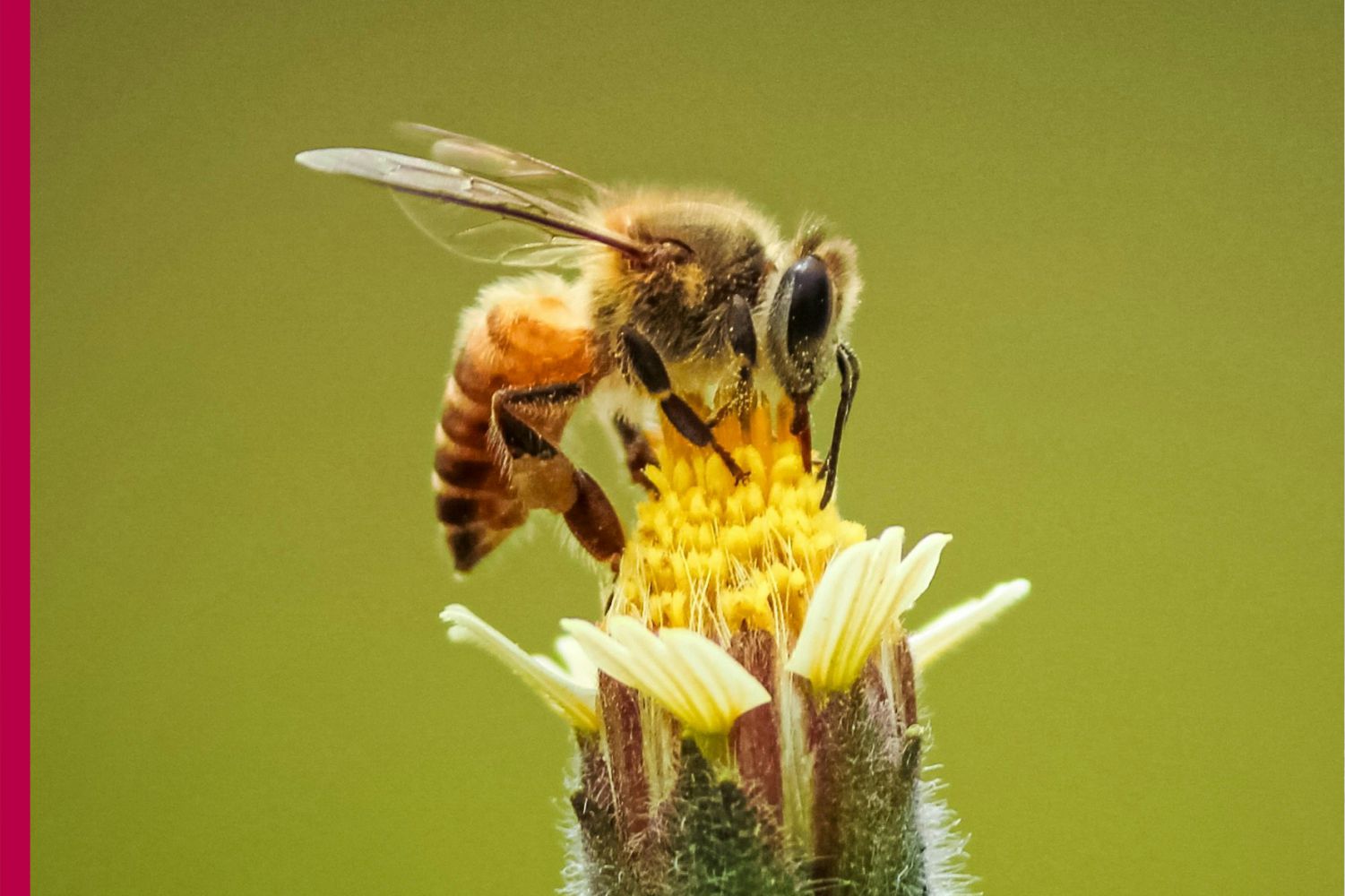
The honey bee is one of the most important and fascinating insects on Earth. Small in size yet immense in impact, honey bees play a vital role in maintaining ecological balance and supporting global food production. Known for their remarkable teamwork, intelligence, and ability to produce honey, these insects are essential not only to nature but also to human survival.
Honey bees live in highly organized colonies that function with perfect coordination. Each colony consists of a queen, worker bees, and drones, each with a specific role. The queen’s primary responsibility is laying eggs, ensuring the continuation of the colony. Worker bees, which are all female, perform multiple tasks throughout their lives, including collecting nectar, producing honey, building honeycombs, and protecting the hive. Drones, the male bees, exist mainly to mate with the queen. This structured social system allows the colony to operate efficiently.
One of the most remarkable contributions of honey bees is pollination. As bees travel from flower to flower collecting nectar, they transfer pollen, enabling plants to reproduce. This process supports the growth of fruits, vegetables, nuts, and seeds. A significant portion of the world’s food supply depends on bee pollination, making honey bees essential to agriculture and biodiversity. Without them, ecosystems and food chains would be severely disrupted.
Honey production is another extraordinary feature of honey bees. Bees collect nectar from flowers and convert it into honey through a process involving enzymes and evaporation. The honey is stored in hexagonal wax cells within the hive and serves as food for the colony, especially during colder months. Humans have valued honey for centuries, not only for its natural sweetness but also for its medicinal properties and long shelf life.
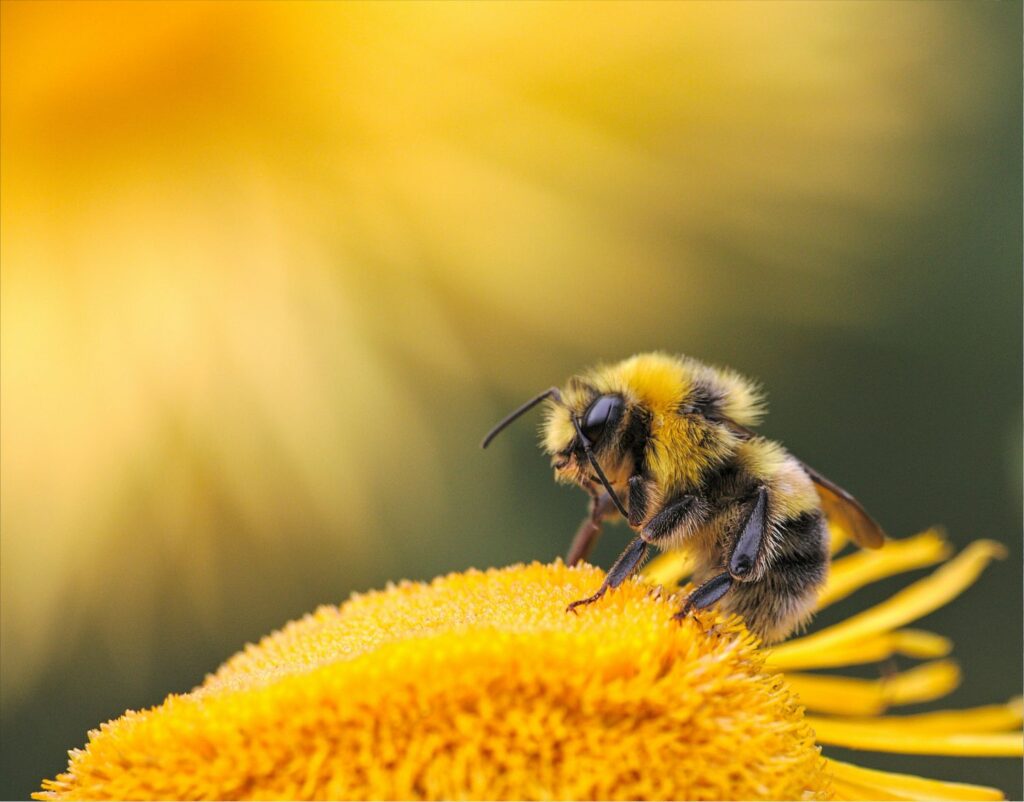
Communication among honey bees is both complex and fascinating. One of their most famous behaviors is the “waggle dance,” a unique movement used to inform other bees about the direction and distance of food sources. This advanced form of communication highlights the intelligence and efficiency of honey bees, allowing them to work collectively for the survival of the hive.
Despite their importance, honey bees face serious threats in the modern world. Habitat loss, pesticide use, climate change, and diseases have led to declining bee populations in many regions. This decline raises concerns for global food security and environmental health. Protecting honey bees has become a priority, encouraging sustainable farming practices, planting pollinator-friendly gardens, and reducing harmful chemical use.
In addition to their ecological value, honey bees symbolize hard work, cooperation, and harmony. Their ability to work together selflessly for the good of the colony serves as a powerful lesson for human societies. Beekeeping has also grown as a sustainable practice, supporting conservation while providing economic benefits through honey and other bee-related products.
In conclusion, the honey bee is far more than a simple insect. It is a key contributor to life on Earth, supporting ecosystems, agriculture, and biodiversity. By understanding and protecting honey bees, we safeguard not only their future but our own as well.