




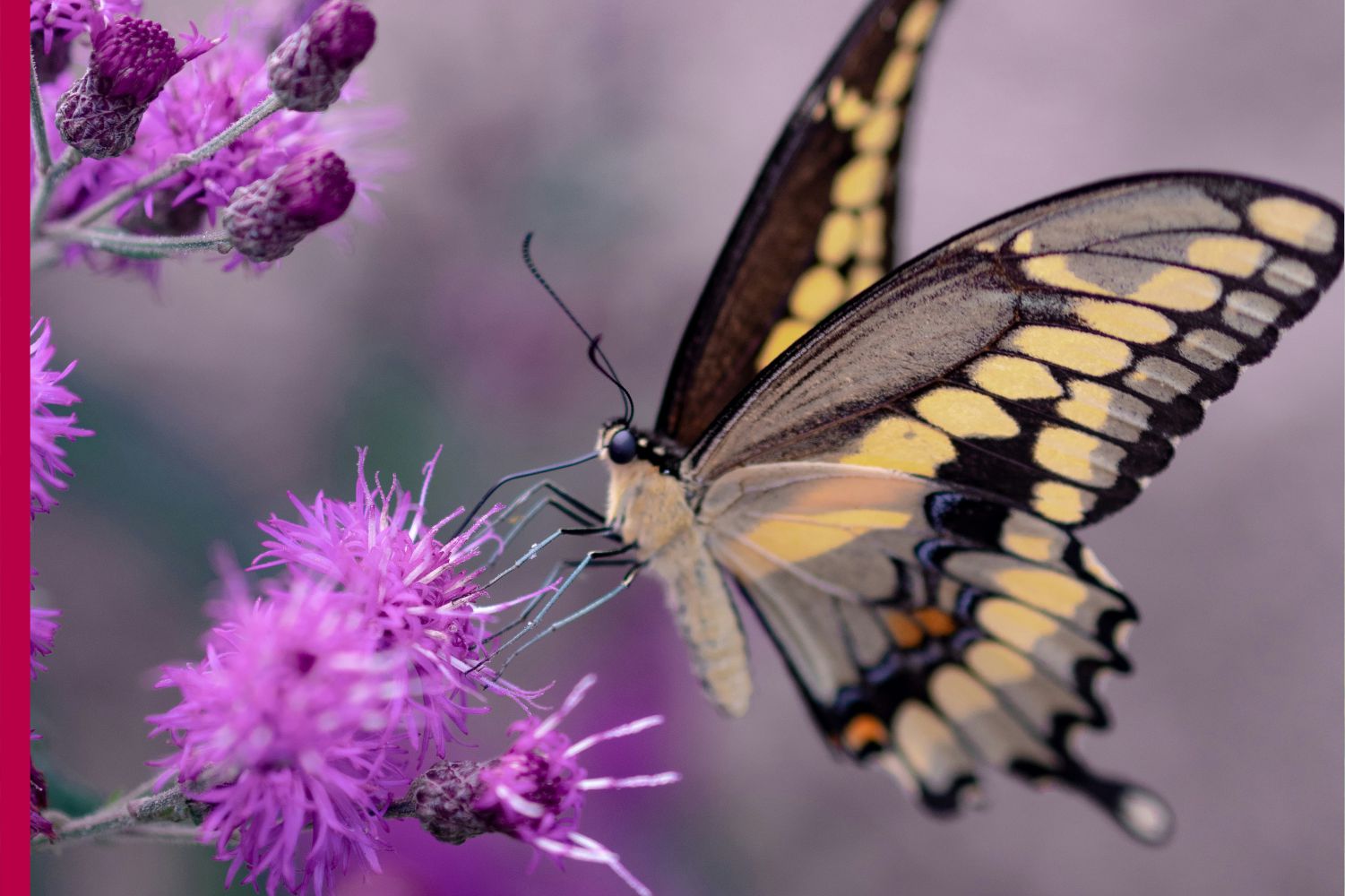
Butterflies are among the most fascinating and beautiful creatures in the natural world. Known for their colorful wings and graceful flight, butterflies have captured human imagination for centuries. Beyond their beauty, they play an important role in ecosystems and display remarkable biological features that make them truly extraordinary.
One of the most amazing facts about butterflies is their life cycle, known as complete metamorphosis. A butterfly begins life as a tiny egg, which hatches into a caterpillar or larva. The caterpillar’s main role is to eat and grow, often shedding its skin several times. It then forms a chrysalis or pupa, inside which a dramatic transformation takes place. After this stage, an adult butterfly emerges, ready to fly, reproduce, and continue the cycle. This process is one of nature’s most striking examples of transformation.
Butterflies taste with their feet, which is a surprising and lesser-known fact. Their legs contain taste receptors that help them identify suitable plants for laying eggs and feeding. When a butterfly lands on a leaf, it can instantly determine whether the plant is right for its needs. This unique adaptation helps ensure the survival of future generations.
The vibrant colors and patterns on butterfly wings are not just for beauty. These colors serve important purposes such as camouflage, warning predators, and attracting mates. Some butterflies use bright colors to signal that they are toxic, while others mimic the appearance of poisonous species to avoid being eaten. In many cases, the colors come not from pigments but from microscopic structures that reflect light, creating brilliant and iridescent effects.
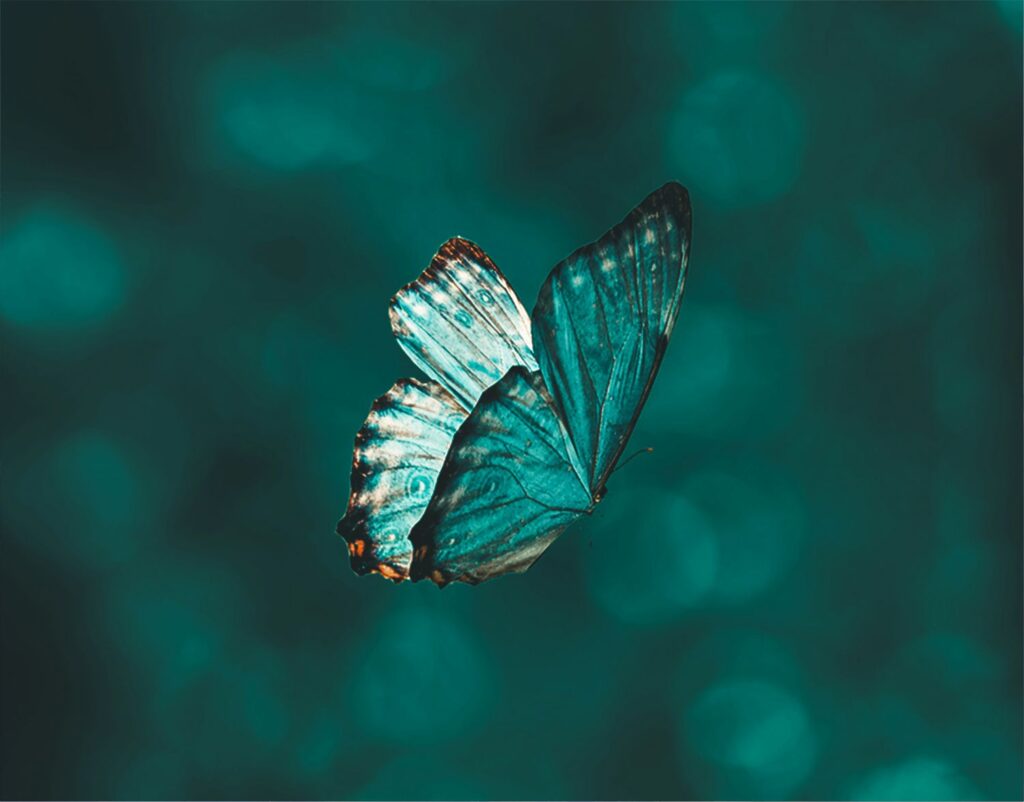
Butterflies also have an incredible sense of navigation. Certain species, like the monarch butterfly, are famous for their long-distance migration. Monarchs travel thousands of kilometers across North America to reach warmer regions, often returning to the same locations year after year. Remarkably, this journey is completed over multiple generations, guided by environmental cues such as the sun and Earth’s magnetic field.
Another interesting fact is that butterflies rely on liquid diets. Instead of chewing food, they use a long, straw-like tongue called a proboscis to sip nectar from flowers. This feeding habit makes butterflies important pollinators. As they move from flower to flower, they help plants reproduce, supporting biodiversity and healthy ecosystems.
Butterflies are highly sensitive to environmental changes, making them important indicators of ecosystem health. A decline in butterfly populations often signals habitat loss, pollution, or climate change. Protecting butterflies by conserving natural habitats and planting native flowers helps maintain ecological balance.
In conclusion, butterflies are much more than delicate insects with colorful wings. They represent transformation, resilience, and the intricate beauty of nature. By understanding and appreciating these fascinating facts about butterflies, we gain a deeper respect for the natural world and the vital role these tiny creatures play in it.