




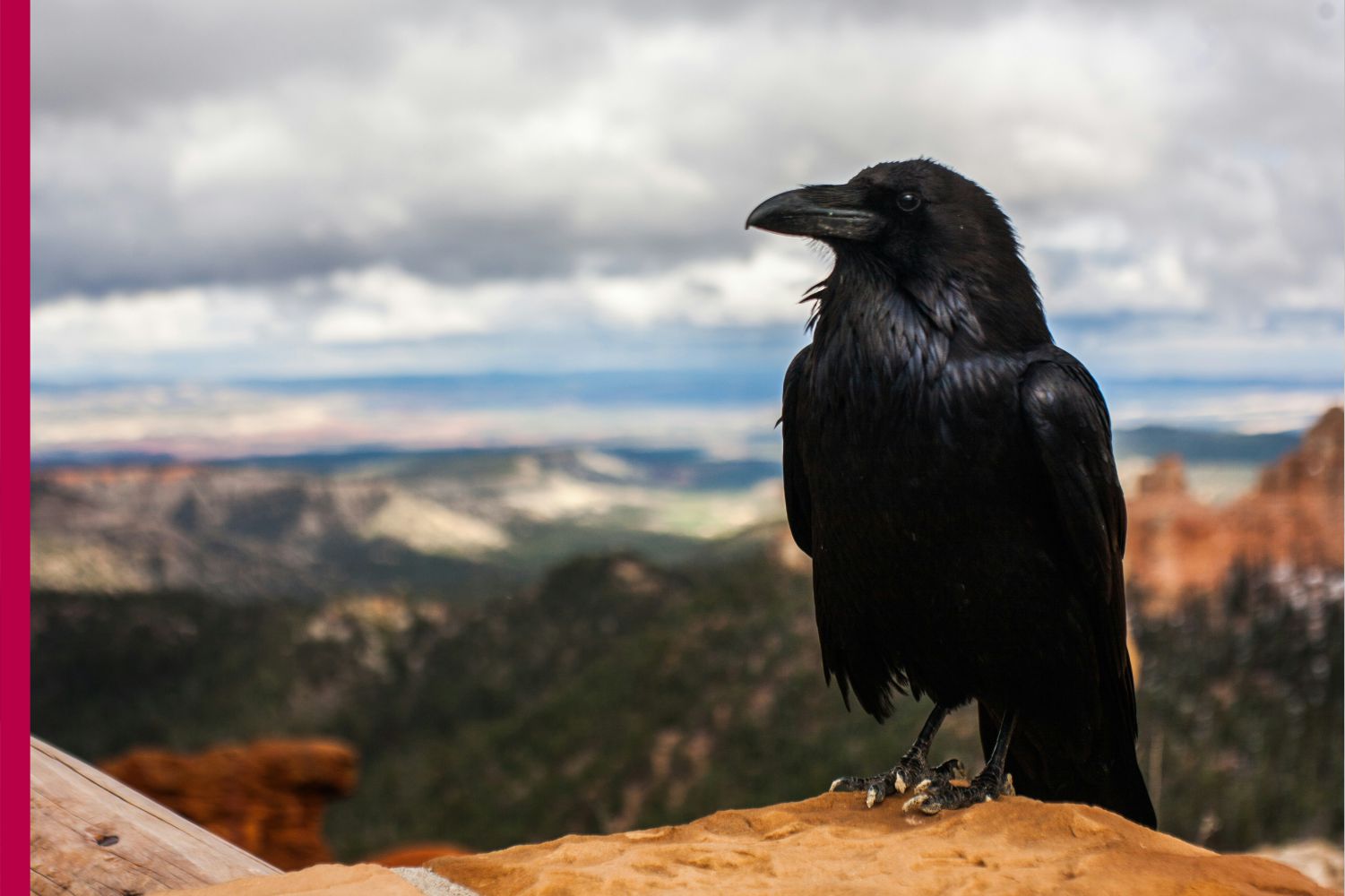
Crows and ravens have fascinated humans for centuries, often appearing in myths, folklore, and literature as symbols of mystery, intelligence, and transformation. Belonging to the corvid family, these birds are known not only for their striking black feathers but also for their remarkable cognitive abilities. Though they are often grouped together, crows and ravens have distinct traits that set them apart while sharing a reputation as some of the smartest animals on the planet.
At first glance, crows and ravens look similar, but closer observation reveals key differences. Ravens are generally larger, with thicker beaks, shaggier throat feathers, and wedge-shaped tails. Crows are slightly smaller and more commonly seen in urban environments. Ravens prefer remote forests, mountains, and open landscapes, while crows have adapted exceptionally well to human-dominated spaces. Despite these differences, both birds display extraordinary adaptability.
One of the most impressive qualities of crows and ravens is their intelligence. Scientific studies have shown that they can solve complex problems, use tools, and even plan for the future. Crows have been observed bending wires to create hooks for retrieving food, while ravens demonstrate strategic thinking during social interactions. Their ability to recognize human faces and remember individuals who pose a threat further highlights their advanced memory and learning skills.
Social behavior is another defining feature of these birds. Crows often live in large family groups and communicate using a wide range of calls and body language. Ravens, while sometimes more solitary, form strong pair bonds and engage in playful behaviors such as aerial acrobatics and object play. This playfulness is considered a sign of high intelligence and emotional complexity.
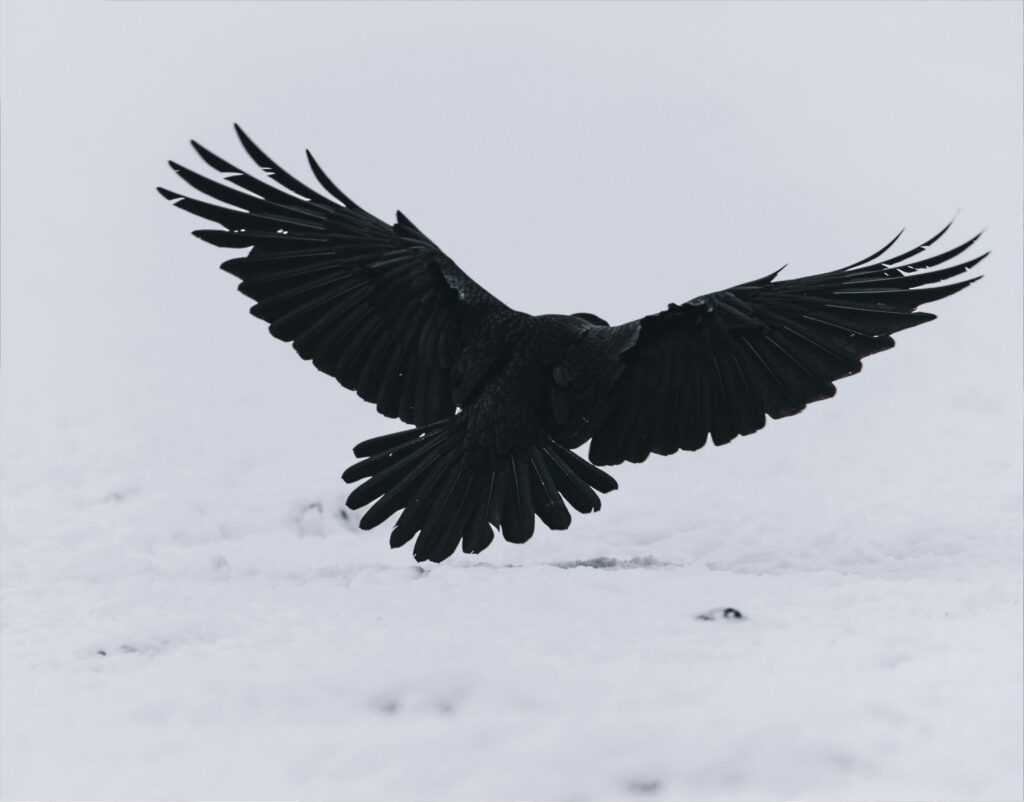
Crows and ravens also play a crucial role in the ecosystem. As omnivores and scavengers, they help control insect populations, clean up carrion, and disperse seeds. Their feeding habits make them essential contributors to environmental balance. Although they are sometimes viewed as pests, their ecological value is significant and often underestimated.
Culturally, these birds hold deep symbolic meaning across civilizations. In Norse mythology, ravens were associated with Odin and represented wisdom and knowledge. Many Native American traditions view the crow or raven as a trickster or creator figure. In contrast, Western folklore often links them with death or bad omens, largely due to their dark appearance and scavenging nature. However, modern interpretations increasingly recognize them as symbols of intelligence and resilience rather than fear.
In contemporary life, crows and ravens continue to intrigue researchers, artists, and bird enthusiasts. Urban crows, in particular, have shown remarkable problem-solving abilities, such as using traffic to crack nuts or coordinating group behavior to access food. These observations challenge traditional ideas about animal intelligence and push us to reconsider our relationship with wildlife.
In conclusion, crows and ravens are far more than mysterious black birds. They are intelligent, social, and ecologically important creatures that thrive in diverse environments. Their ability to adapt, learn, and interact with both nature and humans makes them truly extraordinary. By understanding and appreciating these birds, we gain insight into the complexity and brilliance of the natural world around us.