




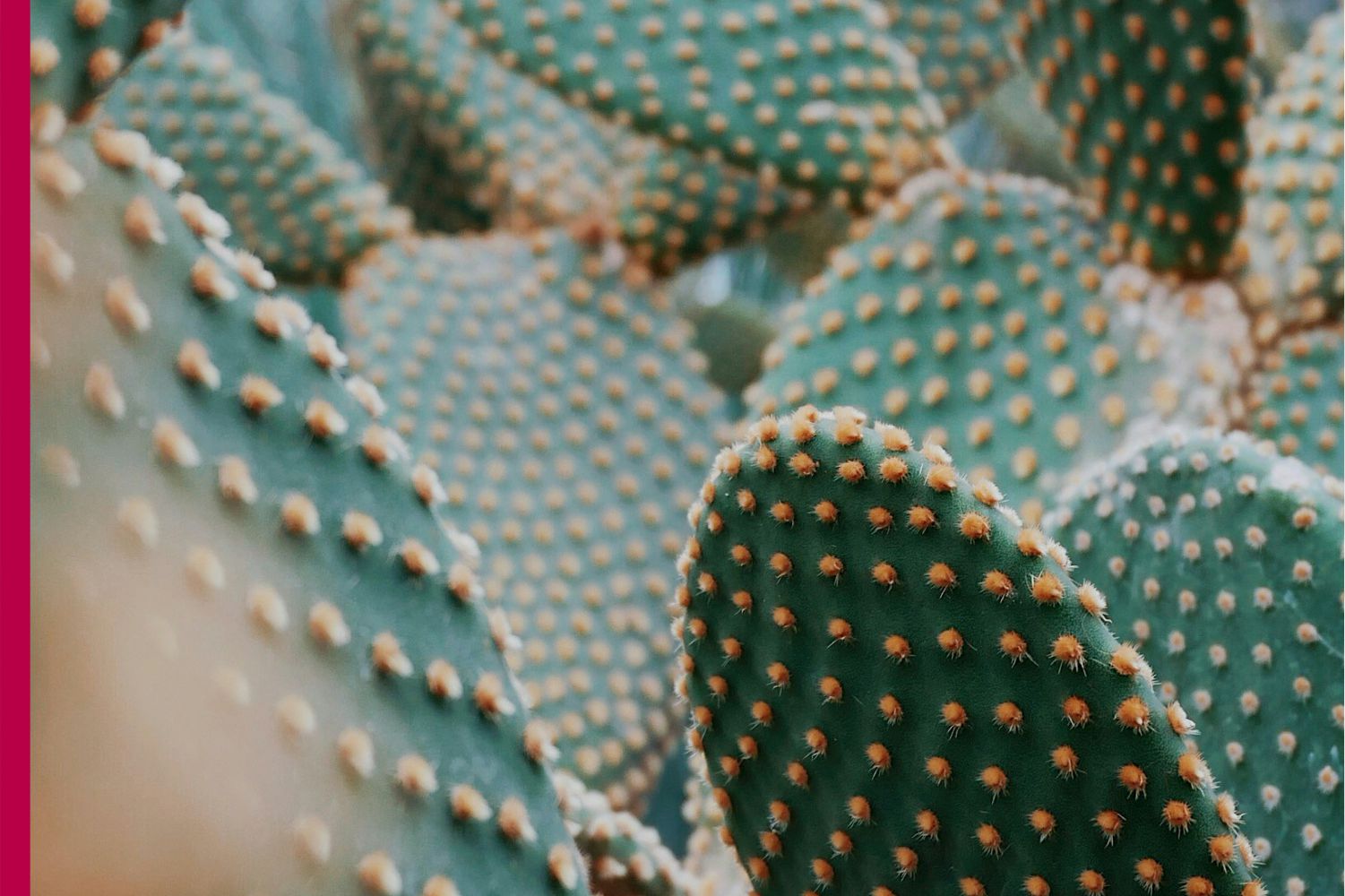
Cactus plants are remarkable examples of nature’s ability to adapt and survive in extreme environments. Known for their unique appearance and exceptional resilience, cacti are primarily found in arid and semi-arid regions where water is scarce and temperatures can be extreme. Despite these harsh conditions, cactus plants thrive, making them symbols of endurance, strength, and sustainability.
One of the most distinctive features of a cactus is its ability to store water. Unlike most plants, cacti have thick, fleshy stems that act as reservoirs, allowing them to survive long periods without rainfall. Their leaves have evolved into spines, which reduce water loss, protect the plant from animals, and provide shade that lowers surface temperature. The outer skin of a cactus is covered with a waxy layer that further helps prevent moisture evaporation.
Cacti also have highly specialized root systems. Instead of deep roots, many cactus species have wide, shallow roots that quickly absorb water from light rain or dew before it evaporates. This efficient water-collection system allows cacti to make the most of even the smallest amounts of moisture, ensuring survival in dry landscapes.
Beyond their survival traits, cacti play an important role in their ecosystems. They provide food, shelter, and water for various desert animals, birds, and insects. Some cactus species produce beautiful flowers that bloom briefly, attracting pollinators such as bees, bats, and birds. These flowers are often vibrant and fragrant, creating a striking contrast against the plant’s thorny exterior.

Cacti are also popular in homes and gardens around the world. Their low maintenance requirements make them ideal plants for busy individuals or those with limited gardening experience. Indoor cacti improve air quality and add a natural aesthetic to living spaces. With a wide variety of shapes, sizes, and colors, cacti have become a favorite choice for modern interior design and landscaping.
In addition to their decorative value, cacti have practical and cultural significance. Certain species, such as the prickly pear cactus, are used in traditional medicine, food, and cosmetics. Cactus fruits and pads are rich in nutrients and are consumed in many cultures. Historically, cacti have also held symbolic meanings, representing protection, perseverance, and adaptability.
In recent years, cacti have gained attention for their environmental benefits. Their ability to grow in dry conditions makes them suitable for sustainable landscaping, reducing the need for excessive watering. As climate change increases water scarcity in many regions, cacti offer an eco-friendly alternative to water-intensive plants.
In conclusion, cacti are extraordinary plants that demonstrate nature’s ingenuity and resilience. Their unique adaptations, ecological importance, and aesthetic appeal make them truly special. Whether thriving in deserts or enhancing indoor spaces, cacti remind us that beauty and strength can flourish even in the toughest conditions.