
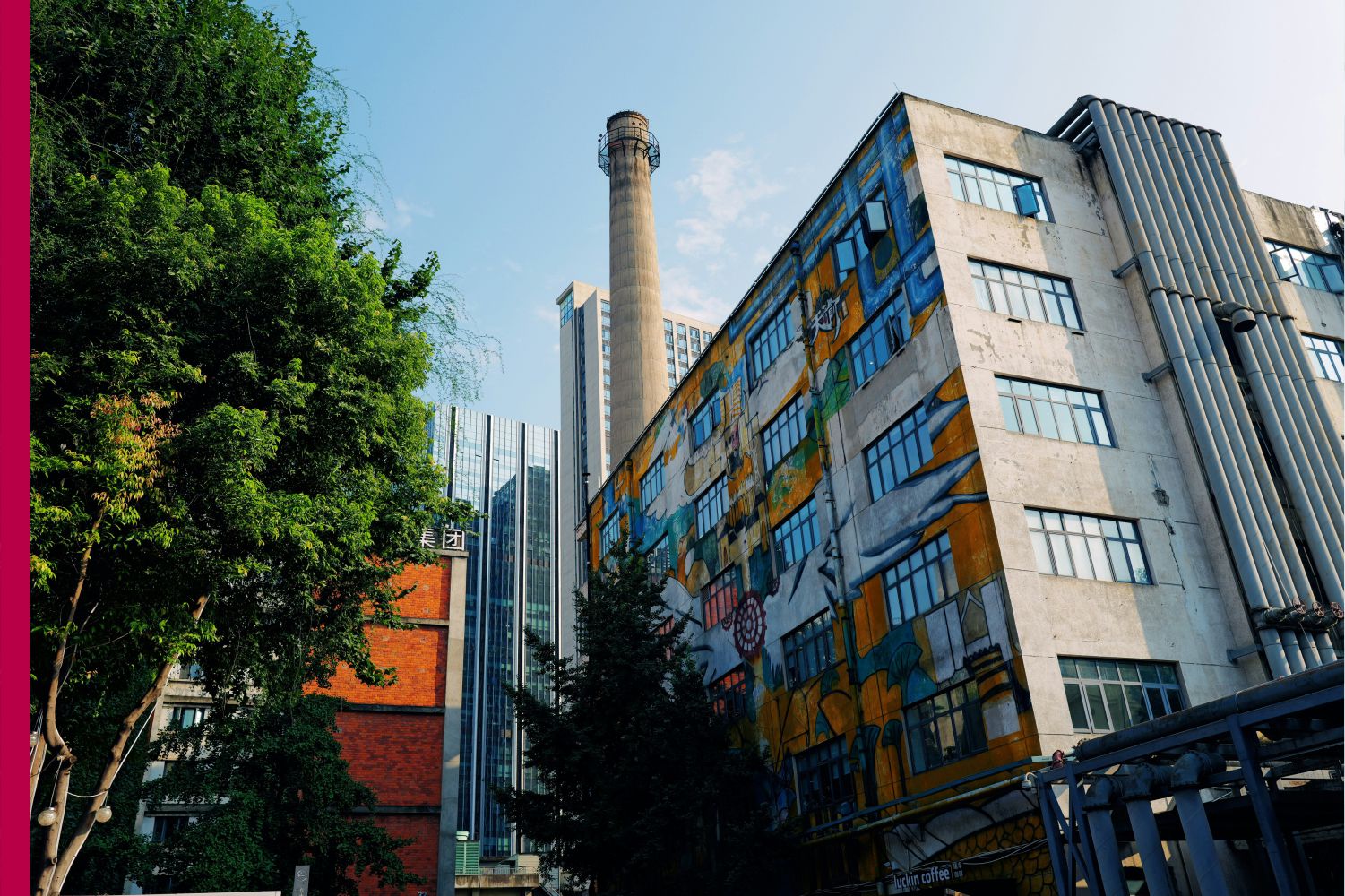

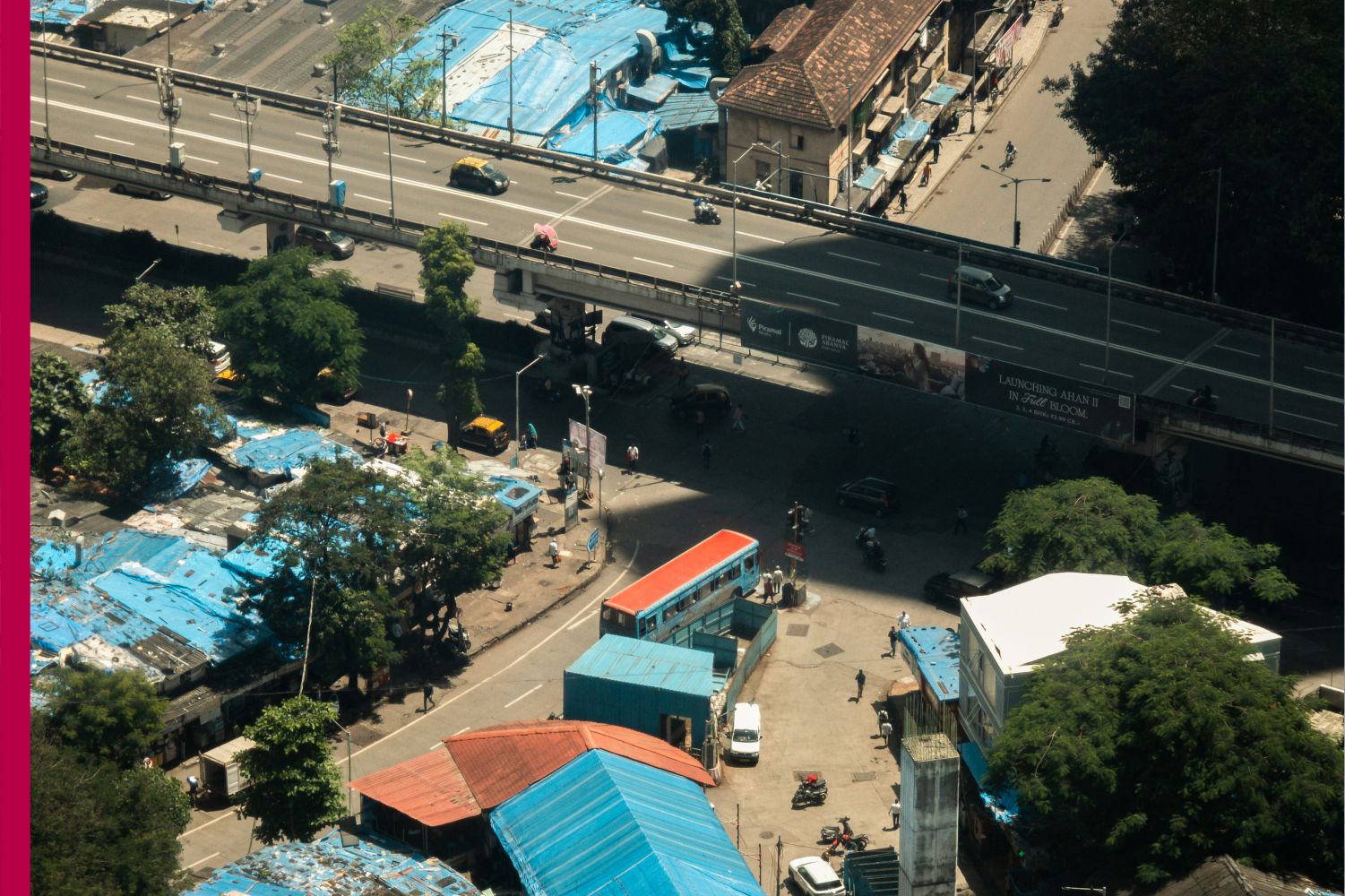

Rapid urbanization is transforming cities around the world, bringing both opportunities and challenges. As populations grow and more people migrate to urban areas, the demand for efficient infrastructure continues to rise. Urban infrastructure includes transportation systems, water supply, sanitation, housing, and energy networks that support daily life. However, managing and expanding these systems is becoming increasingly difficult, especially in fast-growing cities.
One of the most pressing challenges is the strain on transportation systems. As urban populations increase, roads become congested, leading to longer travel times and increased pollution. Public transportation systems often struggle to keep up with rising demand. Developing efficient and sustainable solutions such as Metro Rail networks and improved bus services is essential to reduce congestion and improve mobility. Without proper planning, traffic issues can significantly impact economic productivity and quality of life.
Another major concern is inadequate housing. Rapid urban growth often leads to the expansion of informal settlements and overcrowded living conditions. Affordable housing remains a challenge in many cities, where property prices and rental costs continue to rise. Governments and urban planners must focus on developing sustainable housing solutions that accommodate growing populations while maintaining living standards.
Water supply and sanitation systems also face significant pressure in urban areas. Providing clean and reliable water to millions of residents is a complex task, especially in regions with limited water resources. Aging infrastructure, water leakage, and inefficient distribution systems further complicate the issue. Poor sanitation systems can lead to public health risks, making it essential to invest in modern infrastructure and effective waste management systems.
Energy demand is another critical challenge in urban infrastructure. Cities require a constant and reliable supply of electricity to support residential, commercial, and industrial activities. However, increasing energy consumption can strain power grids and lead to outages. Transitioning to sustainable energy solutions such as Renewable Energy sources can help address this issue while reducing environmental impact.
Environmental sustainability is closely linked to urban infrastructure challenges. Rapid development often leads to increased pollution, loss of green spaces, and environmental degradation. Cities must adopt sustainable planning practices that balance development with environmental protection. Green infrastructure, such as parks, urban forests, and eco-friendly buildings, can help improve air quality and enhance urban living conditions.
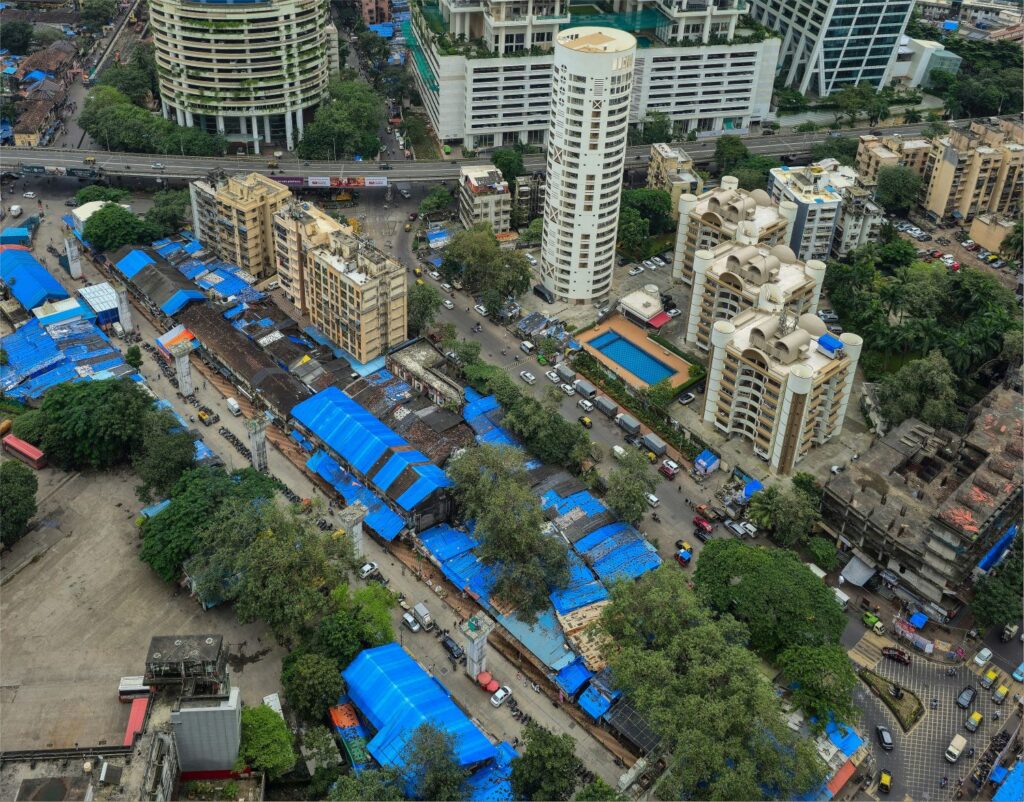
Waste management is another growing concern in urban areas. Increasing populations generate large amounts of solid waste, which must be collected, processed, and disposed of efficiently. Inadequate waste management systems can lead to environmental pollution and health hazards. Cities need to adopt modern waste management practices, including recycling, waste segregation, and sustainable disposal methods.
Financial constraints also pose challenges for urban infrastructure development. Building and maintaining infrastructure requires significant investment, and many cities struggle with limited budgets. Public-private partnerships and innovative financing models can help address funding gaps and support infrastructure development projects.
Technology is playing an important role in addressing urban infrastructure challenges. Smart city initiatives use digital tools, sensors, and data analytics to improve the efficiency of urban systems. These technologies can help monitor traffic, manage energy consumption, and optimize public services. However, implementing smart infrastructure requires careful planning and investment.
In conclusion, urban infrastructure challenges are complex and multifaceted, affecting transportation, housing, water supply, energy, and environmental sustainability. Addressing these challenges requires coordinated efforts from governments, urban planners, and communities. By investing in sustainable solutions, adopting innovative technologies, and improving planning strategies, cities can create resilient infrastructure systems that support growing populations and enhance the quality of urban life.