


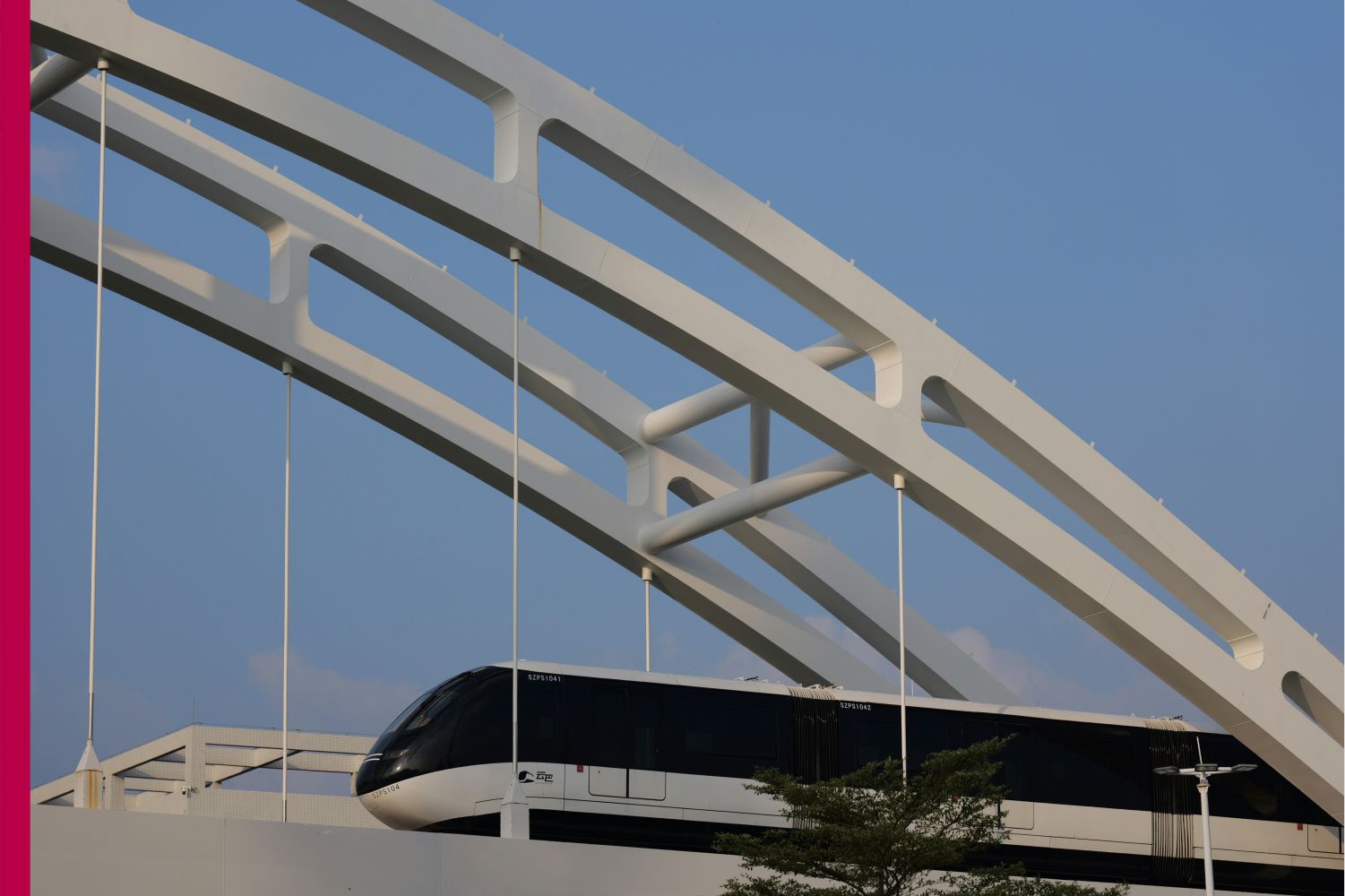

Infrastructure plays a crucial role in the growth and development of modern societies. Roads, bridges, transportation systems, energy networks, and communication facilities form the backbone of economic progress. As cities expand and populations grow, the need for smarter, more efficient, and sustainable infrastructure has become increasingly important. Infrastructure technology innovations are transforming how projects are designed, constructed, and maintained, helping governments and industries build more resilient and future-ready systems.
One of the most significant innovations in infrastructure technology is the use of smart sensors and data-driven monitoring systems. Modern infrastructure projects increasingly incorporate sensors that collect real-time data on structural health, traffic flow, environmental conditions, and energy consumption. These systems allow engineers and city planners to monitor infrastructure performance continuously. For example, bridges and highways equipped with sensors can detect early signs of wear, cracks, or stress, allowing maintenance teams to address problems before they become major safety concerns. This predictive maintenance approach helps extend the lifespan of infrastructure assets and reduces repair costs.
Digital technologies are also playing a major role in improving infrastructure planning and design. Advanced tools such as Building Information Modeling (BIM) allow engineers, architects, and construction teams to create detailed digital representations of infrastructure projects. BIM enables stakeholders to visualize designs, identify potential issues, and coordinate project activities before construction begins. By improving collaboration and reducing design errors, these technologies help streamline the entire construction process and ensure more efficient project execution.
Another major advancement in infrastructure development is the integration of sustainable technologies. Governments and urban planners are increasingly focusing on eco-friendly infrastructure solutions that reduce environmental impact while supporting economic growth. Renewable energy systems, green buildings, energy-efficient transportation networks, and sustainable water management solutions are becoming key components of modern infrastructure projects. Solar-powered street lighting, electric vehicle charging stations, and energy-efficient public transport systems are examples of innovations that promote sustainability while improving urban living conditions.
Smart city initiatives are also driving infrastructure technology innovation. Cities around the world are adopting digital platforms that integrate transportation, energy, communication, and public services into a connected urban ecosystem. Smart traffic management systems use real-time data and artificial intelligence to optimize traffic signals and reduce congestion. Intelligent waste management systems monitor waste levels in containers and schedule collection efficiently. These innovations improve urban efficiency, reduce operational costs, and enhance the quality of life for residents.

Construction technology is another area experiencing rapid transformation. Automation, robotics, and advanced machinery are improving construction speed and safety. Drones are now used for site surveys, inspections, and progress monitoring, allowing project managers to gather accurate data quickly. 3D printing technology is also being explored for constructing building components and even entire structures. These technologies reduce construction time, lower labor costs, and improve precision in infrastructure development.
Digital connectivity and advanced communication networks are also becoming integral to modern infrastructure systems. High-speed internet networks, fiber-optic communication systems, and advanced data centers support digital services, remote work, and smart city applications. Strong digital infrastructure ensures that communities remain connected and businesses can operate efficiently in a technology-driven economy.
Despite the many benefits, implementing infrastructure technology innovations also comes with challenges. High investment costs, complex regulatory requirements, and the need for skilled professionals can slow the adoption of advanced technologies. Governments, private companies, and research institutions must collaborate to develop practical solutions and ensure that new technologies are integrated effectively into infrastructure development.
In conclusion, infrastructure technology innovations are reshaping the way societies build and manage essential systems. From smart monitoring and digital design tools to sustainable solutions and automated construction methods, these technologies are helping create more efficient, resilient, and environmentally responsible infrastructure. As cities continue to grow and global demands increase, adopting innovative infrastructure technologies will be essential for supporting sustainable development and improving the quality of life for future generations.