



The hospitality industry has evolved rapidly with the integration of modern technology, reshaping how hotels operate and serve their guests. Technology in hotel management is no longer a luxury but a necessity for staying competitive in a market driven by high guest expectations and digital convenience. From front desk operations to personalized guest services, technology is improving efficiency, accuracy, and overall hospitality standards.
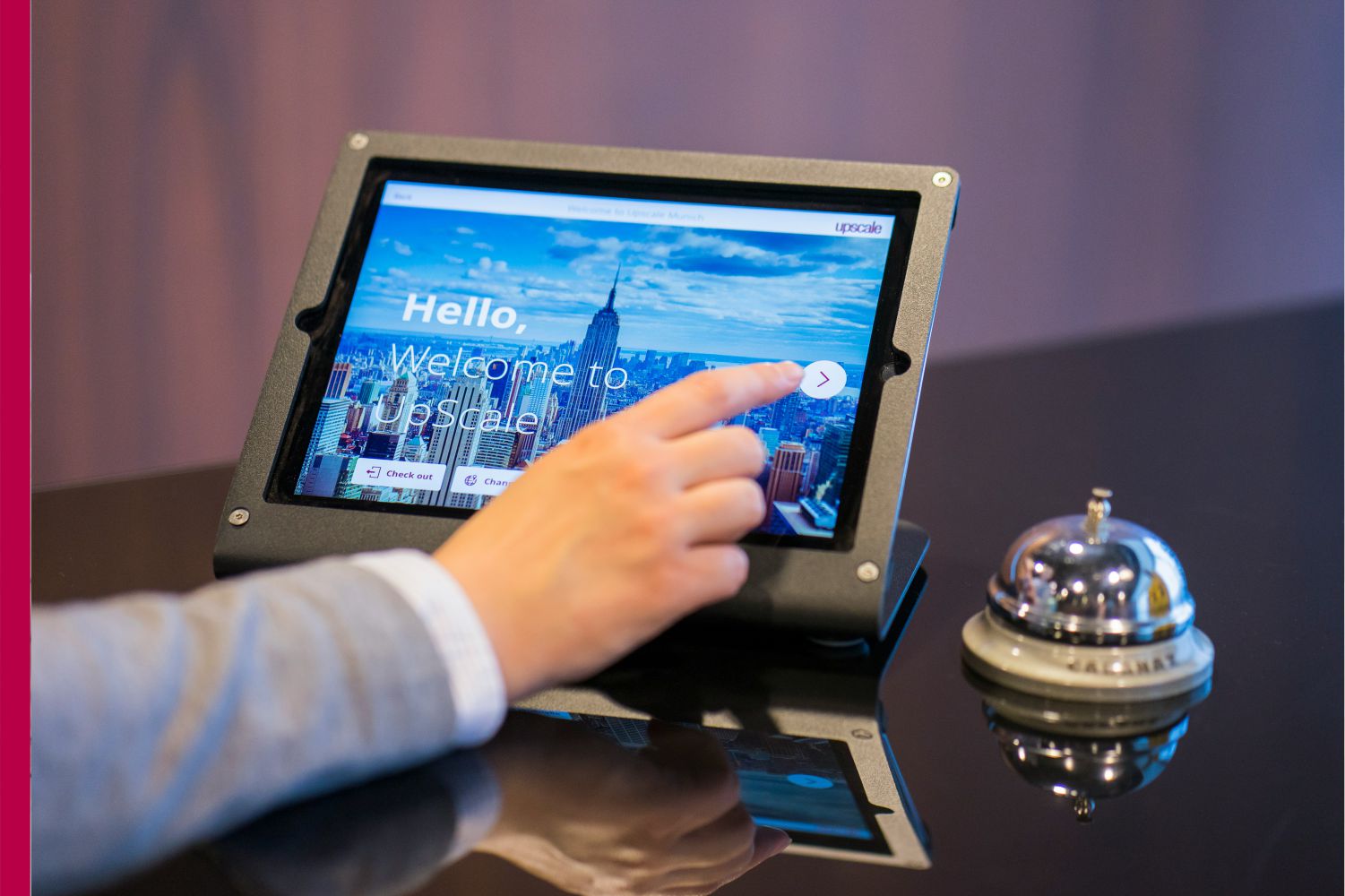
One of the most significant impacts of technology in hotel management is the digitization of reservations and front office operations. Online booking engines, channel management systems, and property management systems allow hotels to manage room availability, pricing, and reservations in real time. Automated check-in and check-out processes reduce waiting times and enhance guest satisfaction, while also minimizing manual errors and administrative workload.
Guest experience has been greatly enhanced through technology-driven personalization. Hotels now use customer data to understand guest preferences, such as room type, dining choices, and service requests. Smart room technologies enable guests to control lighting, temperature, entertainment systems, and curtains through mobile apps or voice commands. Personalized services create a more comfortable and memorable stay, increasing guest loyalty and positive reviews.
Technology also plays a crucial role in hotel operations and back-end management. Housekeeping management systems streamline room cleaning schedules and status updates, ensuring faster room turnover and better coordination between departments. Inventory and procurement systems help track supplies efficiently, reducing waste and controlling costs. These operational technologies improve productivity while maintaining service quality.
In the area of customer communication, digital platforms have transformed how hotels interact with guests. Mobile apps, chatbots, and messaging services provide instant support for booking inquiries, room service requests, and local recommendations. Guests can communicate with hotel staff at any time, improving responsiveness and convenience. This level of accessibility enhances trust and overall guest satisfaction.
Revenue management has also benefited significantly from technological advancements. Data analytics and artificial intelligence tools analyze demand patterns, seasonal trends, and competitor pricing to optimize room rates. Dynamic pricing strategies help hotels maximize revenue while maintaining occupancy levels. Accurate forecasting enables better planning and financial stability for hotel businesses.

Technology has strengthened safety and security in hotel management as well. Digital key cards, biometric access systems, and surveillance technologies ensure secure access to rooms and facilities. Advanced data protection systems safeguard guest information, which is especially important in an era of online bookings and digital payments.
Sustainability is another area where technology supports modern hotel management. Energy management systems monitor and optimize electricity and water usage, reducing environmental impact and operational costs. Smart sensors automatically adjust lighting and air conditioning based on room occupancy, promoting eco-friendly operations without compromising guest comfort.
Despite its many advantages, adopting technology in hotel management requires investment, staff training, and continuous upgrades. However, the long-term benefits far outweigh the challenges. Technology enables hotels to deliver consistent service quality, adapt to changing guest expectations, and operate more efficiently in a competitive landscape.
In conclusion, technology in hotel management is transforming the hospitality industry by enhancing guest experience, improving operational efficiency, and supporting sustainable practices. As digital innovation continues to advance, hotels that embrace technology will be better positioned to meet modern traveler needs and achieve long-term success in the evolving hospitality market.