




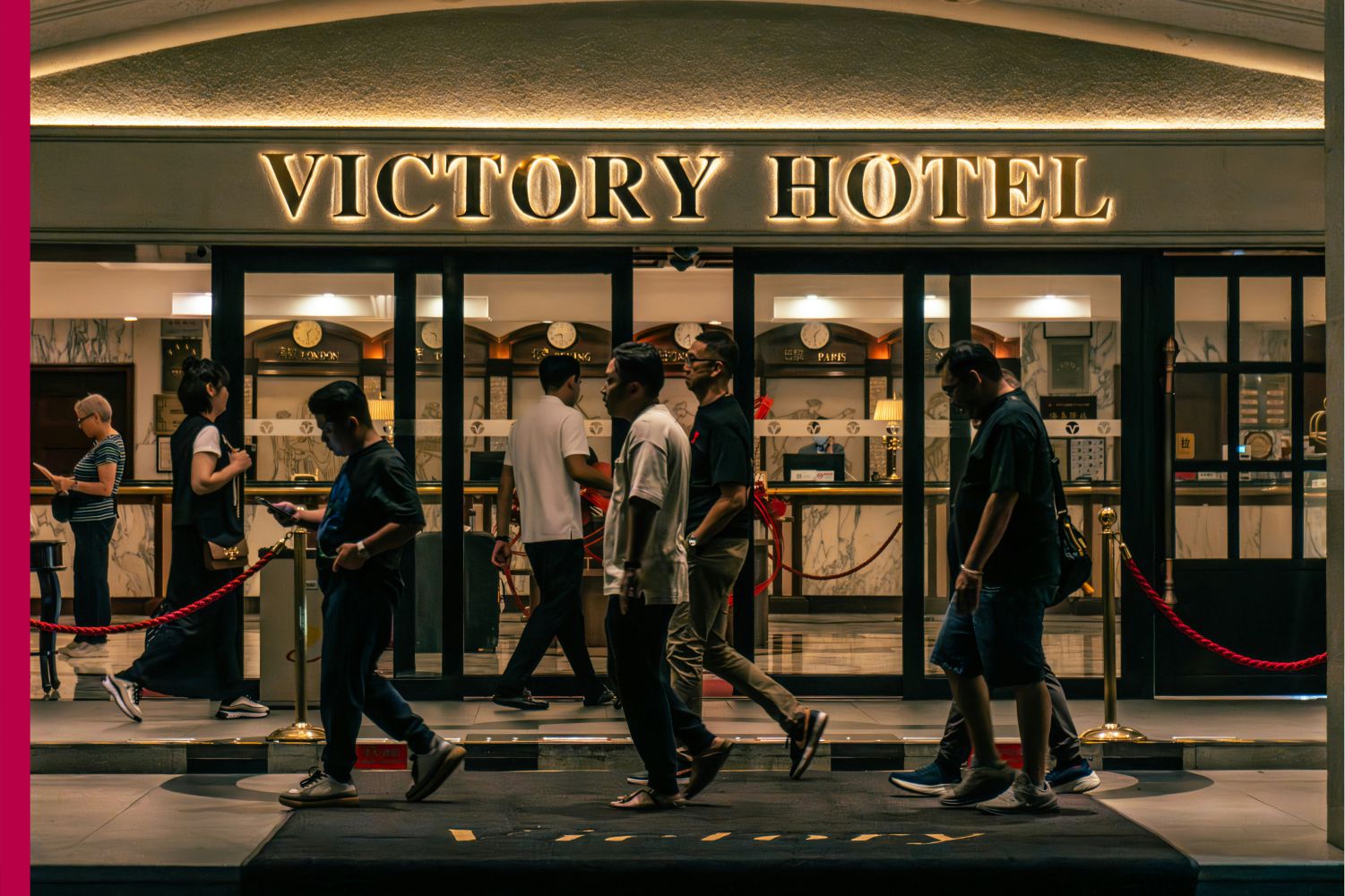
The hospitality industry is continuously evolving to meet changing traveler expectations, technological advancements, and global market dynamics. From hotels and resorts to restaurants and travel services, the sector is embracing innovation to deliver personalized, efficient, and memorable guest experiences. As competition intensifies and customer preferences shift, several key trends are shaping the future of the hospitality industry.
One of the most prominent trends is the rise of personalized guest experiences. Modern travelers expect services tailored to their preferences, from customized room settings to personalized dining options. Hotels are leveraging data analytics and customer relationship management systems to understand guest behavior and offer targeted promotions, recommendations, and loyalty rewards. Personalization enhances customer satisfaction and encourages repeat visits.
Technology integration is another major driver of change. Contactless check-ins, digital room keys, mobile apps, and self-service kiosks are becoming standard in many establishments. Artificial intelligence-powered chatbots assist guests with bookings and inquiries, while automation streamlines operations behind the scenes. These technologies improve efficiency, reduce waiting times, and enhance convenience for both guests and staff.
Sustainability has become a core focus within the hospitality industry. Environmentally conscious travelers are increasingly choosing eco-friendly accommodations. Hotels are adopting green practices such as energy-efficient lighting, water conservation systems, waste reduction programs, and sustainable sourcing of food and materials. Certifications and transparent sustainability policies help build trust and attract environmentally aware customers.
The growth of experiential travel is also influencing hospitality trends. Travelers are seeking authentic, immersive experiences that connect them with local culture, cuisine, and traditions. Hotels and resorts are responding by offering curated activities, cultural tours, wellness programs, and locally inspired designs. This shift from standardized services to unique experiences enhances guest engagement and brand differentiation.

Health and wellness tourism continues to expand. Guests prioritize well-being and seek accommodations that support physical and mental health. Many hospitality providers now offer fitness centers, spa services, healthy dining options, and mindfulness programs. Enhanced hygiene and safety standards remain a priority, reinforcing guest confidence in a post-pandemic environment.
Digital marketing and online reputation management play a critical role in shaping hospitality success. Online reviews, social media presence, and influencer collaborations significantly impact booking decisions. Businesses that actively engage with customers online and respond to feedback build stronger brand credibility and trust.
Flexible booking policies have also become essential. Travelers value options that allow changes or cancellations without heavy penalties. This flexibility provides reassurance and encourages bookings, especially during uncertain times.
In conclusion, the hospitality industry is adapting to technological innovation, sustainability demands, and evolving guest expectations. By focusing on personalization, digital transformation, sustainability, wellness, and authentic experiences, hospitality businesses can remain competitive and future-ready. As travel continues to grow globally, embracing these trends will be essential for delivering exceptional service and long-term success in the dynamic hospitality landscape.