




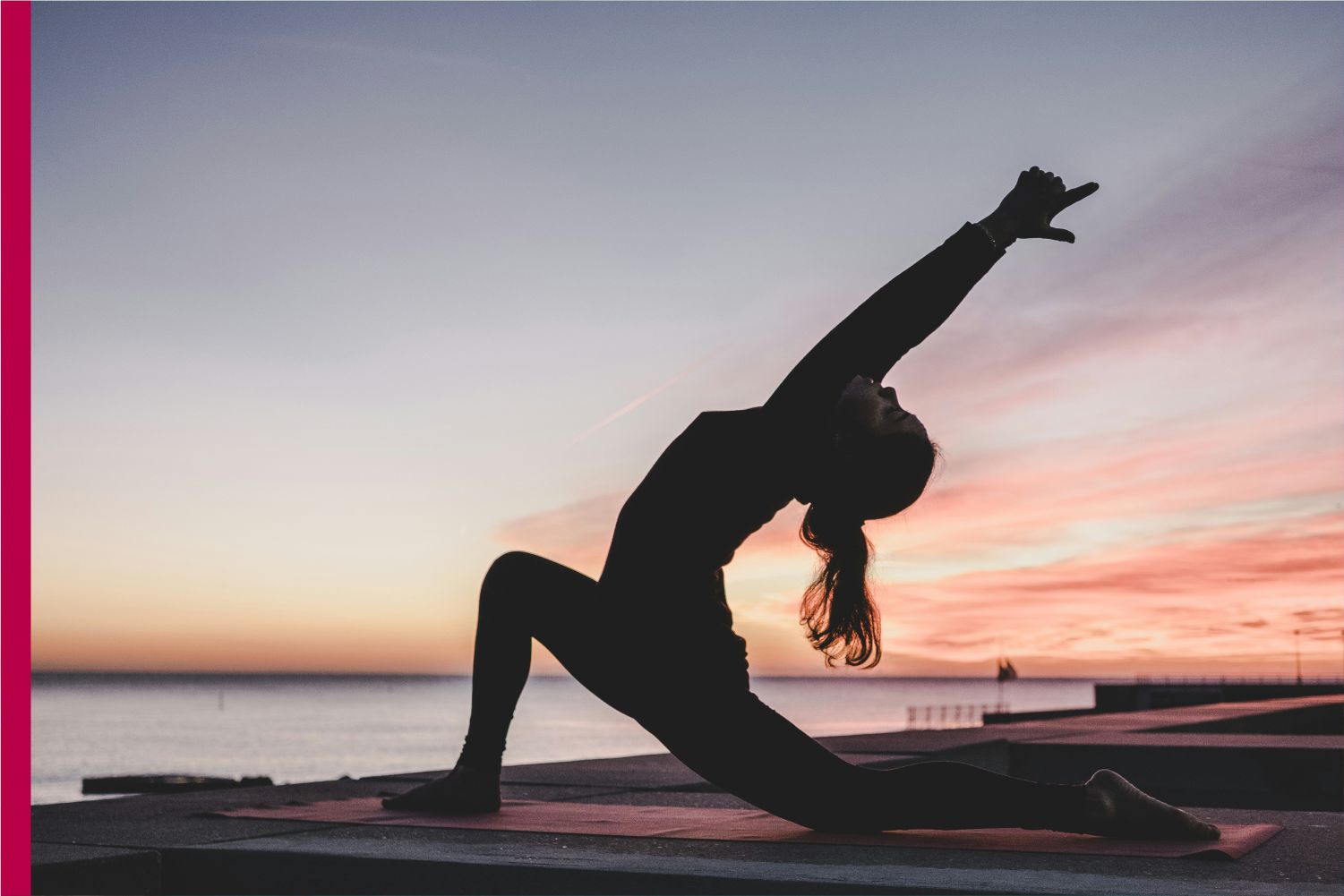
Yoga is more than just a physical exercise it is a holistic practice that nurtures the mind, body, and spirit. Originating in ancient India thousands of years ago, yoga has become a global phenomenon, embraced by people of all ages and lifestyles. What makes yoga unique is its combination of physical postures, controlled breathing, meditation, and mindfulness. Together, these elements help individuals achieve a balanced life, improve overall health, and cultivate mental clarity.
At its core, yoga teaches awareness. Every posture, breath, and movement invites practitioners to connect with their inner selves. In a world full of noise and fast-paced routines, yoga provides a quiet space to slow down and reflect. This mindful approach helps reduce stress, anxiety, and emotional tension. Deep breathing techniques stimulate the parasympathetic nervous system, encouraging relaxation and lowering stress hormones. Even a few minutes of daily practice can create a sense of calm and stability that carries into everyday life.
Physically, yoga offers a wide range of health benefits. Its postures, known as asanas, strengthen muscles, improve flexibility, and enhance posture. Unlike high-impact workouts, yoga is gentle on the joints, making it suitable for people of all fitness levels, including seniors and beginners. Regular practice helps increase blood circulation, boost metabolism, and support heart health. Many people use yoga to relieve chronic pain, especially in the back, neck, and shoulders, as the stretching movements help release muscle stiffness and improve body alignment.
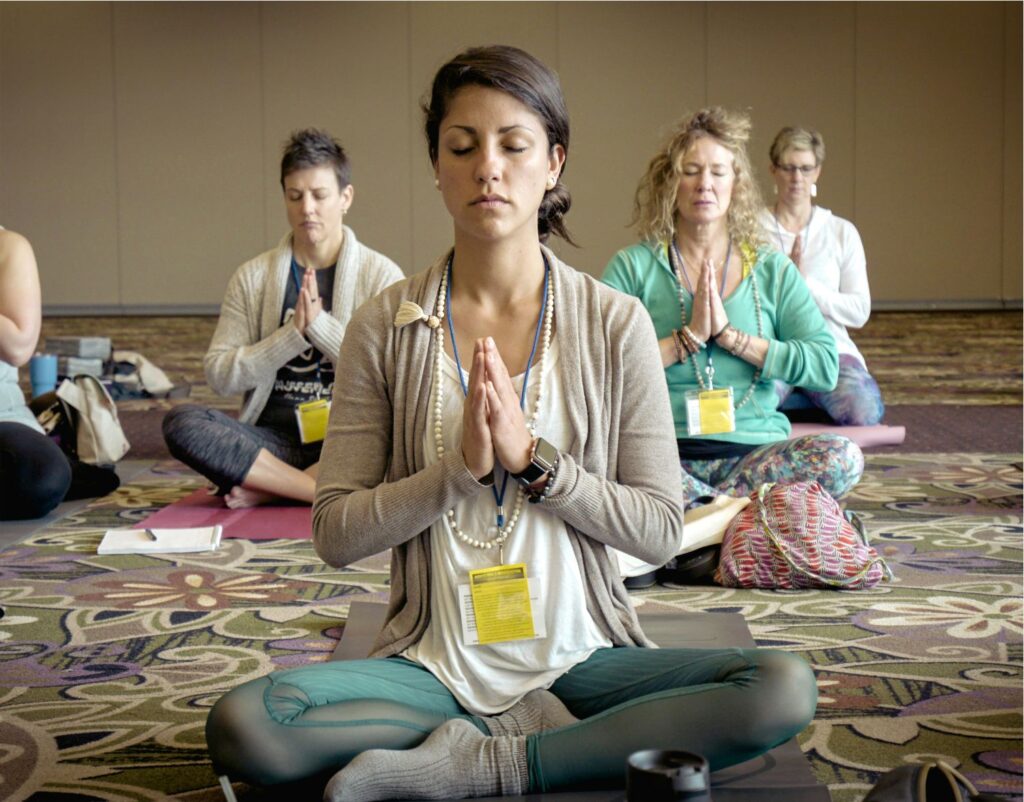
Yoga also develops inner strength and self-discipline. Holding poses requires focus, stamina, and determination. Over time, practitioners learn to listen to their bodies, respect their limits, and push themselves mindfully. This awareness teaches resilience not just physically, but mentally as well. The meditation aspect of yoga enhances concentration, sharpens thinking, and helps individuals respond to challenges with patience and clarity. It is not surprising that many students and professionals rely on yoga to improve productivity and mental well-being.
One of the most beautiful aspects of yoga is its inclusiveness. Whether through gentle Hatha yoga, fast-paced Vinyasa flows, restorative yin stretches, or intense Ashtanga routines, there is a style for everyone. People can choose practices based on their needs—relaxation, strength-building, flexibility, or spiritual growth. Yoga does not require expensive equipment or a special setting; a simple mat and an open mind are enough to begin. This accessibility makes yoga a lifelong practice that can evolve with a person’s body and lifestyle.
Spiritually, yoga encourages self-discovery and inner peace. While not tied to any religion, it promotes universal values like compassion, gratitude, and harmony. The meditation and breathing techniques help individuals connect with the present moment, reducing the constant mental chatter that often leads to stress. Ultimately, yoga is a journey rather than a destination. Each session is an opportunity to grow stronger, calmer, and more centered. As millions around the world continue to embrace this ancient practice, yoga remains a powerful reminder that true well-being comes from balance—between body and mind, breath and movement, self and surroundings.