




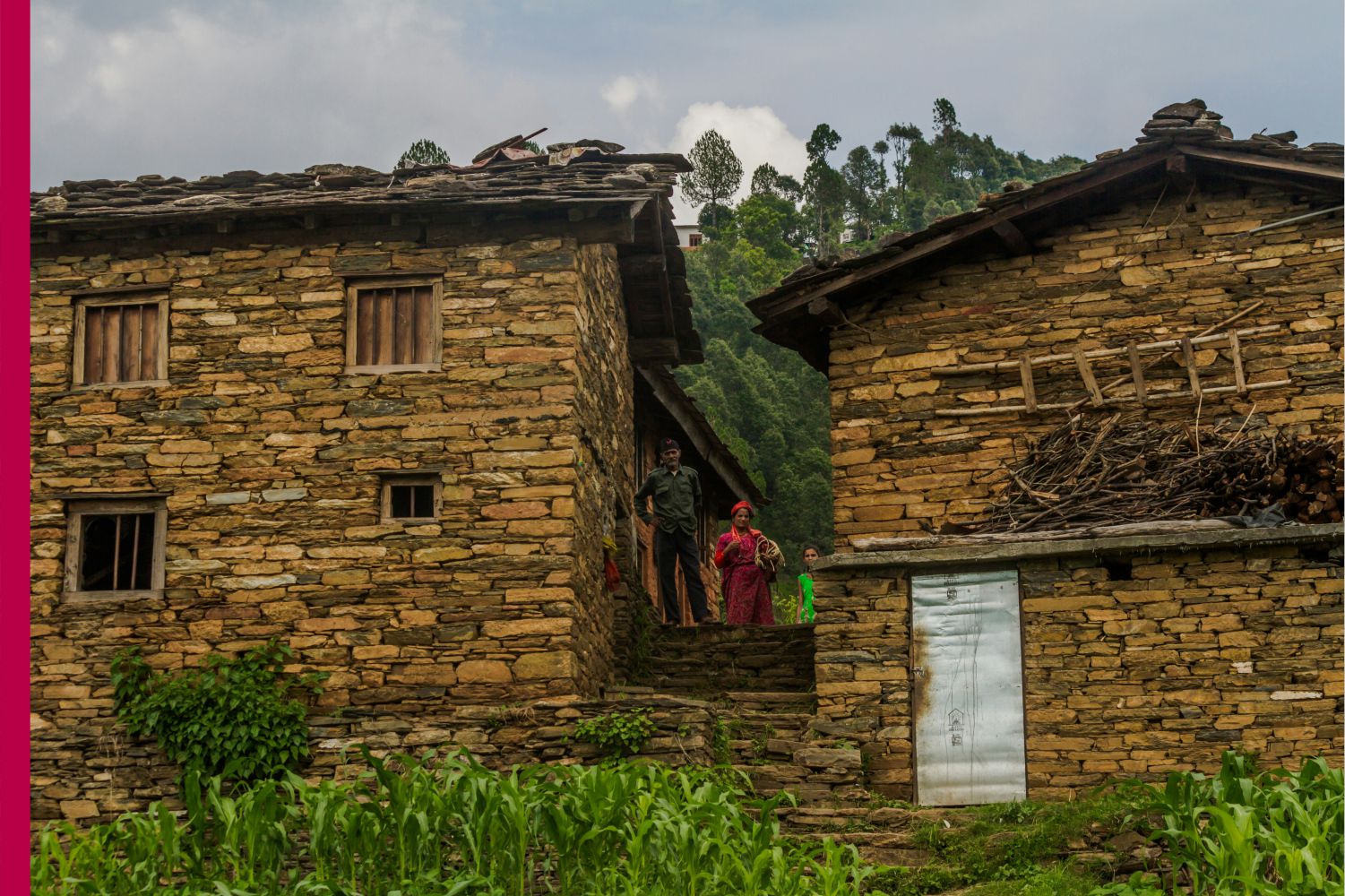



Rural healthcare remains one of the most pressing challenges in many parts of the world, particularly in developing countries. Despite advancements in medical science and infrastructure, rural areas often struggle with limited access to quality healthcare services. The gap between urban and rural healthcare continues to widen, highlighting the need for focused attention and sustainable solutions.
One of the primary challenges in rural healthcare is the lack of medical infrastructure. Many rural regions have limited hospitals, clinics, and diagnostic facilities. Basic healthcare services are often unavailable, forcing residents to travel long distances to access treatment. This delay can worsen medical conditions and, in critical cases, lead to preventable fatalities. In countries like India, rural populations make up a significant portion of the total population, making this issue even more critical.
Shortage of healthcare professionals is another major concern. Doctors, nurses, and specialists are often concentrated in urban areas where better facilities, career opportunities, and living conditions are available. Rural areas face a severe shortage of skilled medical staff, leading to overburdened healthcare workers and limited patient care. This imbalance affects the quality and efficiency of healthcare services in villages and remote regions.
Affordability is also a key issue in rural healthcare. Many individuals in rural communities have limited financial resources and may not be able to afford private healthcare services. Public healthcare systems, while more affordable, are often underfunded and overcrowded. As a result, people may delay seeking medical help or rely on unqualified practitioners, which can lead to serious health complications.
Lack of awareness and education further complicates rural healthcare challenges. Many people are unaware of preventive healthcare practices, vaccination programs, and early diagnosis. Cultural beliefs and misconceptions about diseases can also prevent individuals from seeking timely medical attention. This lack of awareness contributes to the spread of preventable diseases and poor health outcomes.
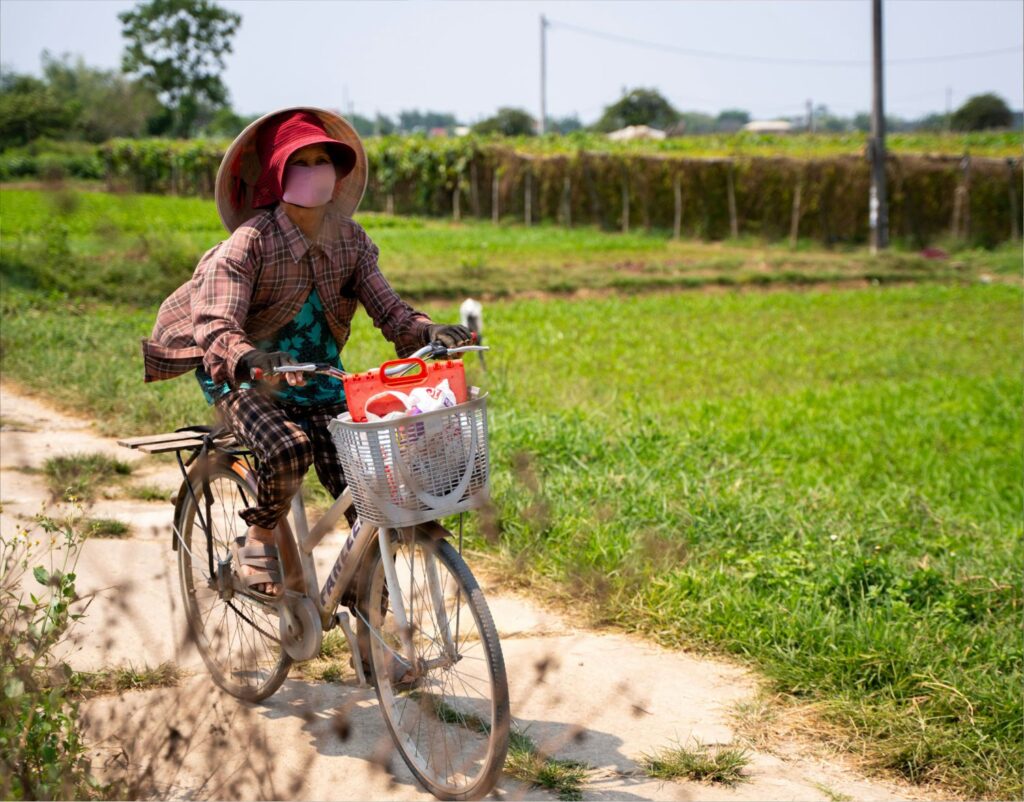
Infrastructure issues such as poor transportation and connectivity also impact healthcare delivery. In many rural areas, roads are underdeveloped, and public transport is limited. This makes it difficult for patients to reach healthcare facilities, especially during emergencies. Additionally, unreliable electricity and internet connectivity hinder the adoption of modern medical technologies and telemedicine solutions.
Despite these challenges, efforts are being made to improve rural healthcare. Telemedicine is emerging as a promising solution, allowing patients to consult doctors remotely. Mobile health clinics and government initiatives are also helping bring healthcare services closer to rural communities. Training local health workers and increasing investment in rural healthcare infrastructure are essential steps toward bridging the gap.
Non-governmental organizations and community-based programs are playing a vital role in raising awareness and providing basic healthcare services. These initiatives focus on preventive care, maternal health, and disease control, contributing to improved health outcomes in rural areas.
In conclusion, rural healthcare challenges require a comprehensive and collaborative approach. Addressing issues such as infrastructure, workforce shortages, affordability, and awareness is essential to ensure equitable healthcare access. By investing in sustainable solutions and leveraging technology, it is possible to create a more inclusive healthcare system that serves both rural and urban populations effectively.