

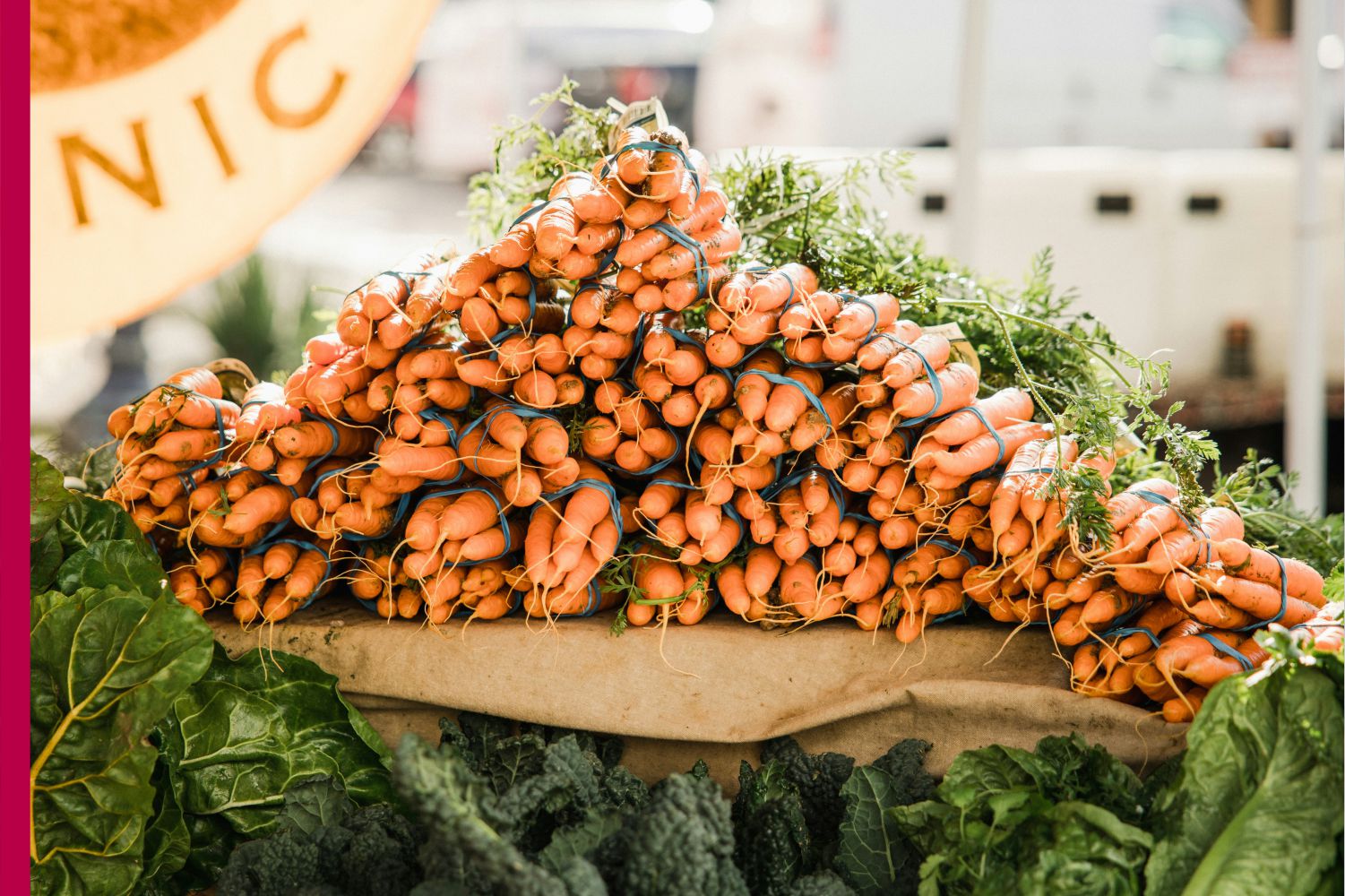


The demand for organic food has seen a significant rise in recent years, driven by increasing awareness of health, environmental sustainability, and food quality. Consumers today are becoming more conscious about what they eat, how it is produced, and its impact on both personal well-being and the planet. This shift has transformed organic food from a niche market into a mainstream choice across the globe.
Organic food is produced without the use of synthetic pesticides, chemical fertilizers, genetically modified organisms, or artificial additives. Instead, it relies on natural farming practices that promote soil health, biodiversity, and ecological balance. As people become more informed about the potential risks associated with chemical-based agriculture, they are increasingly opting for organic alternatives that are perceived as safer and more nutritious.
One of the primary reasons behind the growing demand for organic food is health consciousness. Many consumers believe that organic products are fresher, richer in nutrients, and free from harmful residues. Fruits, vegetables, grains, dairy, and meat produced through organic methods are often associated with better taste and higher quality. This perception has encouraged families to include organic options in their daily diets, especially for children and elderly members.
Environmental concerns are another major factor driving the popularity of organic food. Conventional farming methods can lead to soil degradation, water pollution, and loss of biodiversity due to excessive use of chemicals. Organic farming, on the other hand, focuses on sustainable practices such as crop rotation, composting, and natural pest control. By choosing organic products, consumers feel they are contributing to environmental protection and supporting eco-friendly agriculture.
The rise of urban lifestyles and increased disposable income have also contributed to the growth of the organic food market. In countries like India, the expanding middle class is willing to spend more on premium food products that promise better health benefits. Supermarkets, online platforms, and local organic stores are making these products more accessible, further boosting demand.
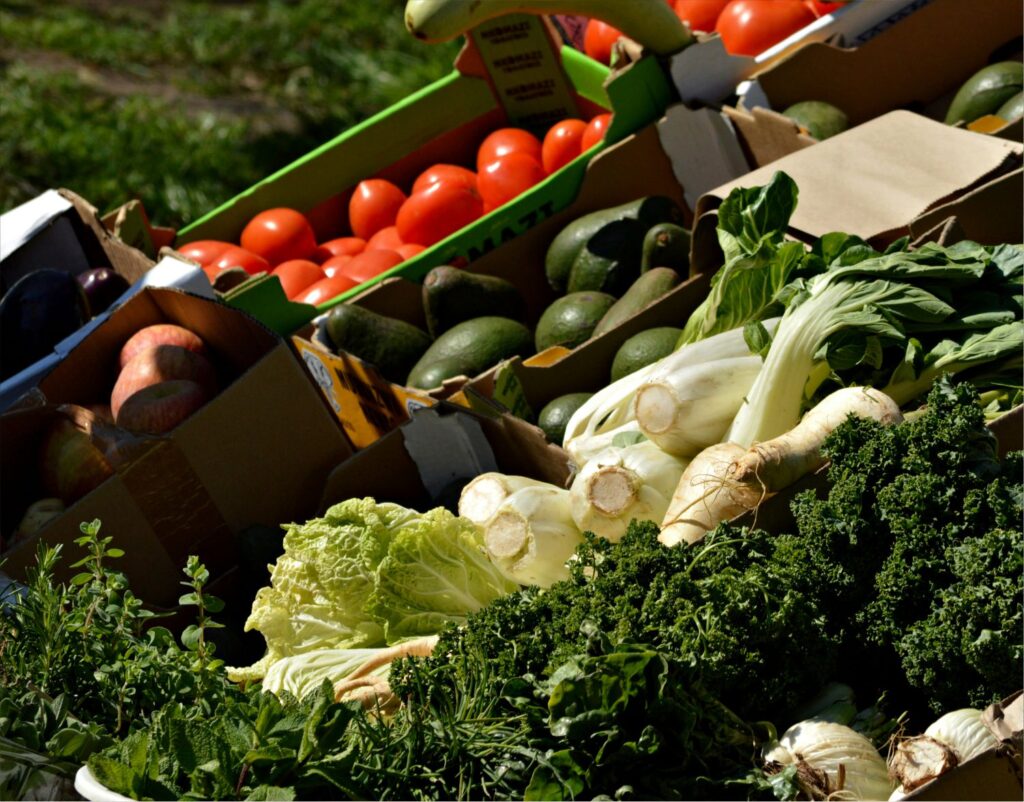
Technology and certification systems have improved trust in organic products. Labels and certifications help consumers identify authentic organic food, ensuring transparency and quality. This has strengthened consumer confidence and encouraged repeat purchases. Additionally, digital platforms allow farmers and brands to connect directly with consumers, promoting awareness and education about organic practices.
Despite its growth, the organic food market faces certain challenges. Higher production costs often lead to higher prices, making organic food less affordable for some consumers. Limited availability in certain regions and lack of awareness in rural areas can also hinder market expansion. However, increasing government support, subsidies, and awareness campaigns are helping address these issues.
The future of organic food demand looks promising as more people adopt healthier and more sustainable lifestyles. Restaurants, food brands, and retailers are incorporating organic ingredients into their offerings, further normalizing their use. As innovation continues and production scales up, prices are expected to become more competitive.
In conclusion, the growing demand for organic food reflects a broader shift toward conscious living. By prioritizing health, sustainability, and quality, consumers are driving a positive change in the food industry. Organic food is no longer just a trend but a movement that supports a healthier future for both individuals and the environment.