

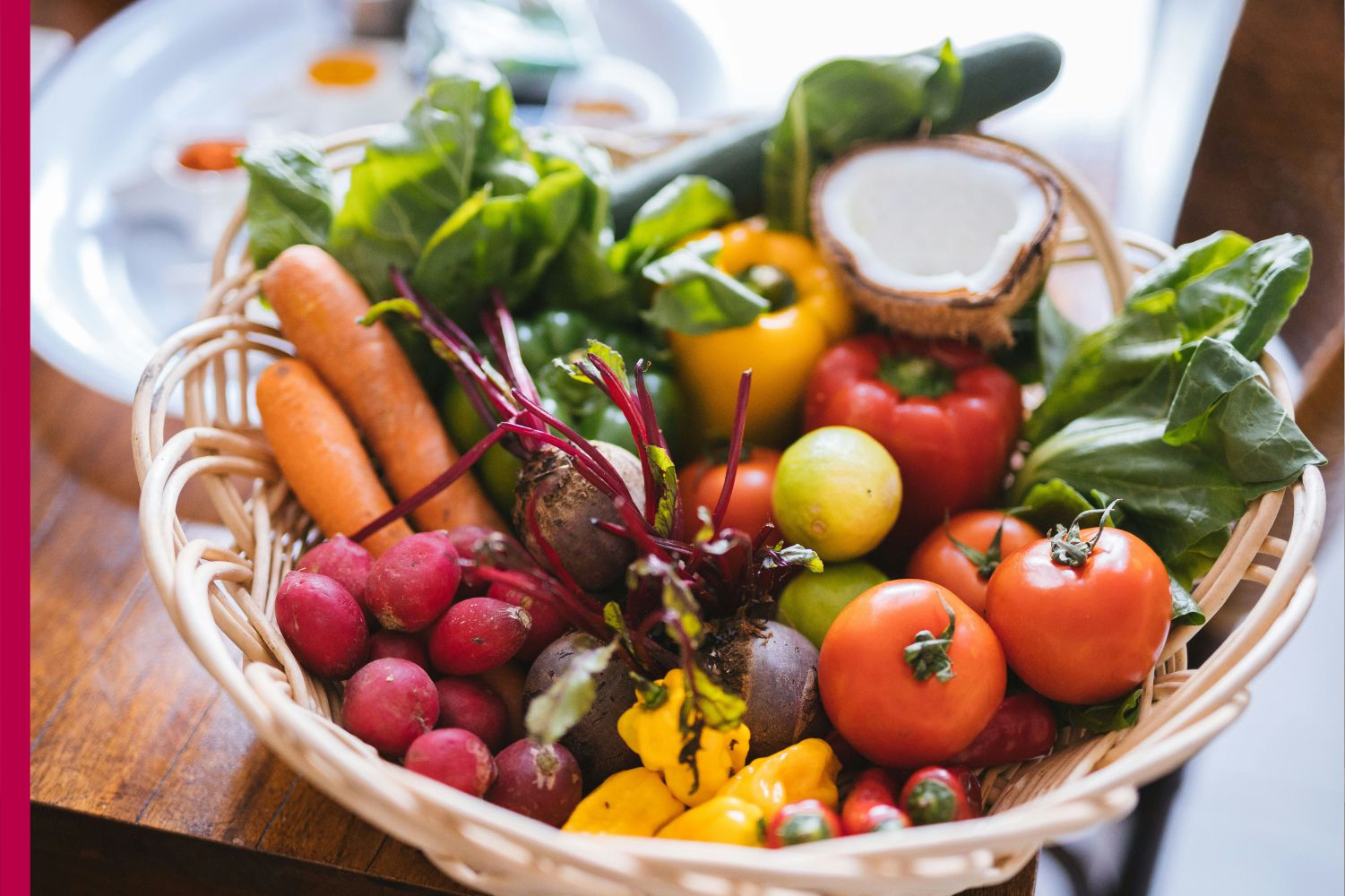



Food is more than just a source of nourishment it is the foundation of life, culture, and community. Across the world, food connects people, tells stories, and reflects traditions that have evolved through generations. It is a universal language that transcends boundaries, bringing together families, friends, and even strangers around a shared table. Beyond its basic function of sustaining life, food represents identity, creativity, and emotion.
At its simplest, food provides the energy and nutrients our bodies need to function. Proteins, carbohydrates, fats, vitamins, and minerals all play essential roles in maintaining health and vitality. A balanced diet supports growth, strengthens the immune system, and improves mental well-being. However, with the rise of fast food and processed meals, health-conscious eating has become increasingly important. Today, many people are shifting toward organic produce, plant-based diets, and sustainable food habits to protect both personal health and the planet.
Food also plays a vital role in culture and tradition. Every region in the world has its own unique cuisine shaped by geography, history, and local ingredients. From the spicy curries of India to the delicate sushi of Japan, or the rich pastas of Italy, food carries the essence of a nation’s heritage. Traditional dishes are often tied to celebrations and rituals such as festive feasts, harvest festivals, or religious offerings — making food a symbol of joy and togetherness.
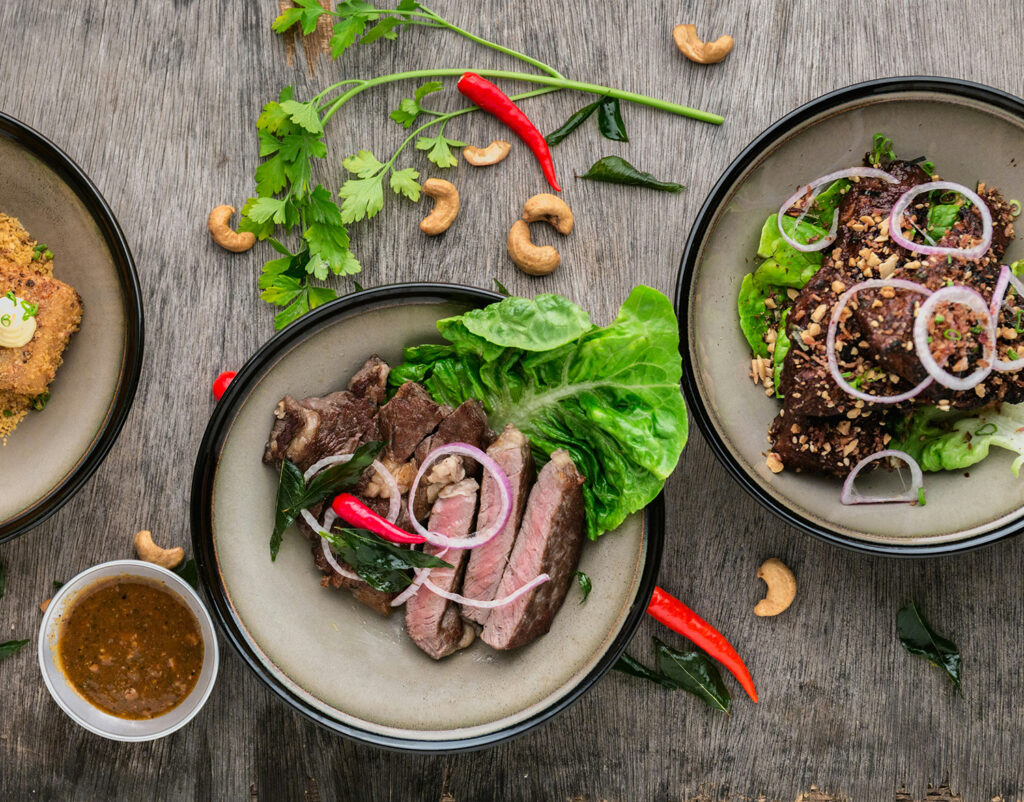
In addition, food is an art form. Chefs, bakers, and home cooks alike use flavor, color, and presentation to express creativity. Modern culinary arts combine traditional techniques with innovation, creating new experiences for diners. The rise of food photography and social media has further transformed food into a form of visual storytelling. Each dish, whether simple or elaborate, represents the artistry and imagination of its creator.
The global food industry has also undergone significant transformation with advances in technology and sustainability. Smart farming, hydroponics, and food processing innovations are helping to meet the growing demand for food while reducing environmental impact. At the same time, there is a renewed focus on reducing food waste, promoting local produce, and supporting ethical sourcing. Consumers today are more aware than ever about where their food comes from and how it affects the environment.
Moreover, food is deeply connected to emotion and memory. The aroma of a home-cooked meal can evoke nostalgia, comfort, and belonging. A shared meal can mend relationships or celebrate milestones. In many ways, food nourishes not only the body but also the soul — it reminds us of who we are and where we come from.
In conclusion, food is a powerful symbol of life, love, and culture. It brings people together, supports health, and fuels creativity. As the world continues to evolve, our relationship with food will continue to adapt — blending tradition with innovation, and sustainability with pleasure. Whether enjoyed in a family kitchen or a fine restaurant, food will always remain one of humanity’s greatest joys — a delicious reminder of connection, diversity, and shared experience.