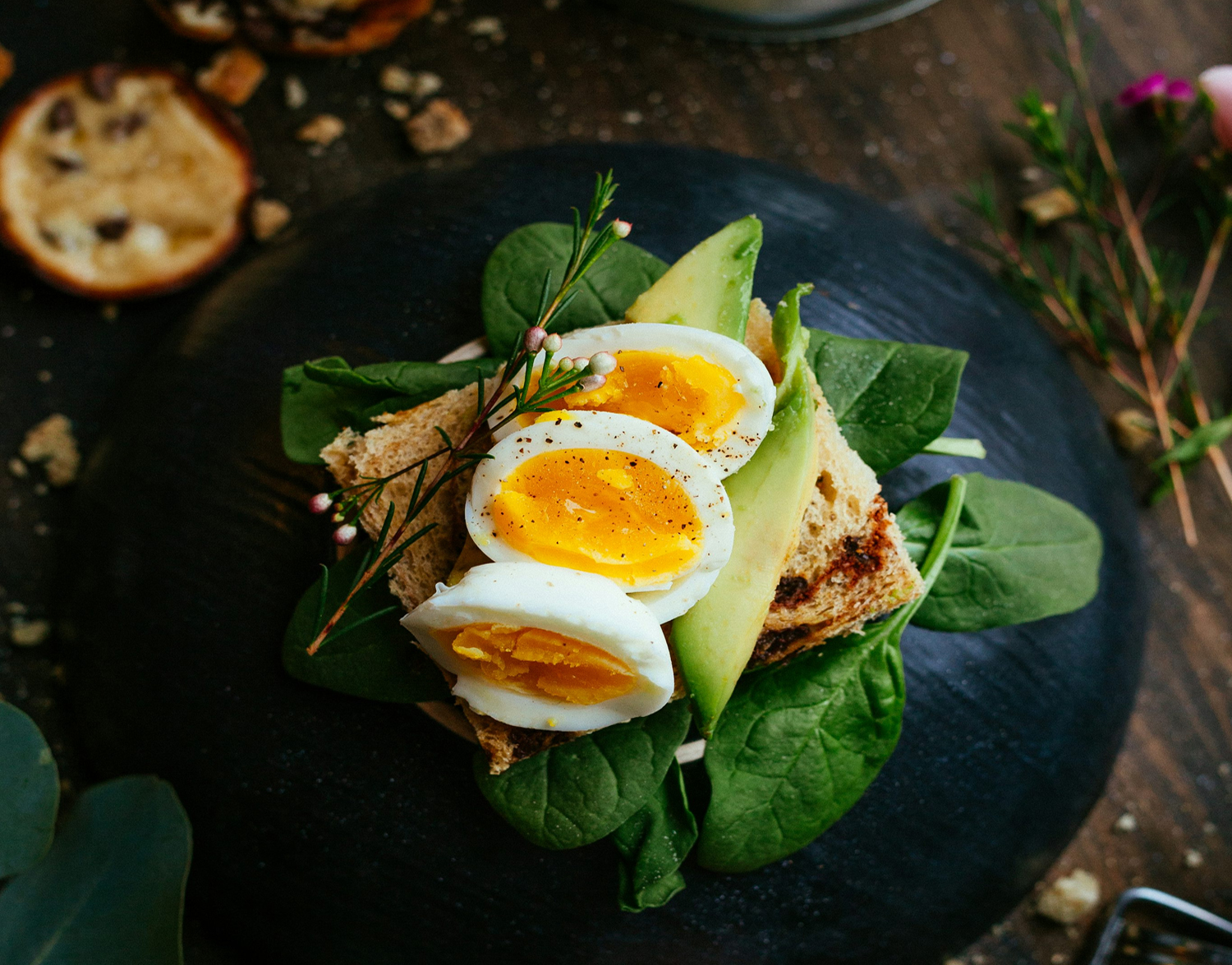



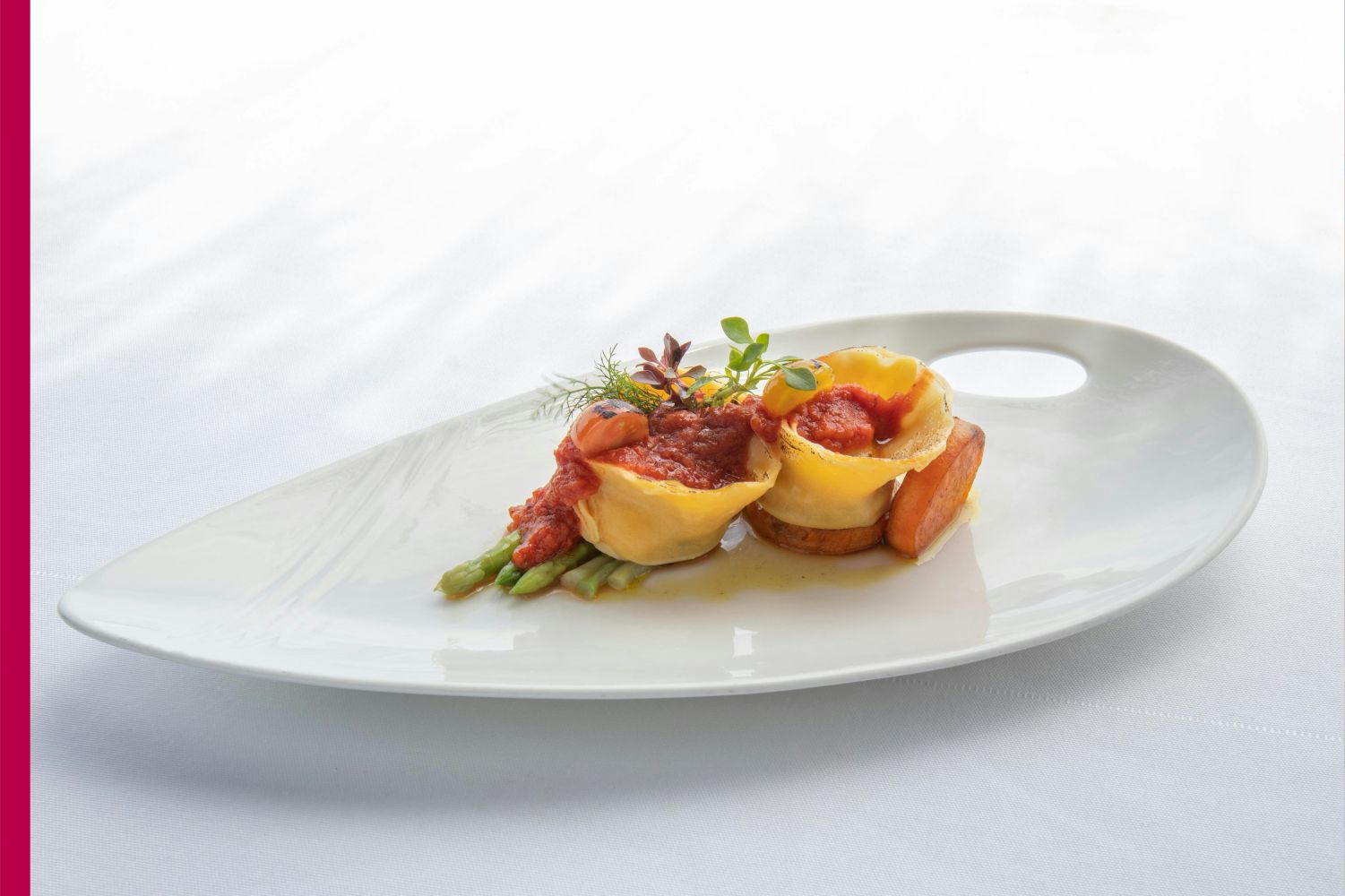
Food is more than nourishment it is an experience that engages all the senses. When creativity is added to cooking and presentation, food transforms into art. Food art is the practice of designing and presenting food in visually appealing ways, turning everyday meals into edible masterpieces. From simple plate decorations to elaborate sculptures, food art blends imagination, culture, and culinary skill into one expressive form.
The concept of food art is not new. Ancient cultures placed great importance on how food was presented. In Japanese cuisine, for example, the art of plating, known as kaiseki, emphasizes balance, color, and seasonal beauty. Similarly, traditional Indian, Middle Eastern, and European cuisines have long used garnishes, patterns, and arrangements to enhance visual appeal. These traditions show that food art has always been a way to honor ingredients and elevate the dining experience.
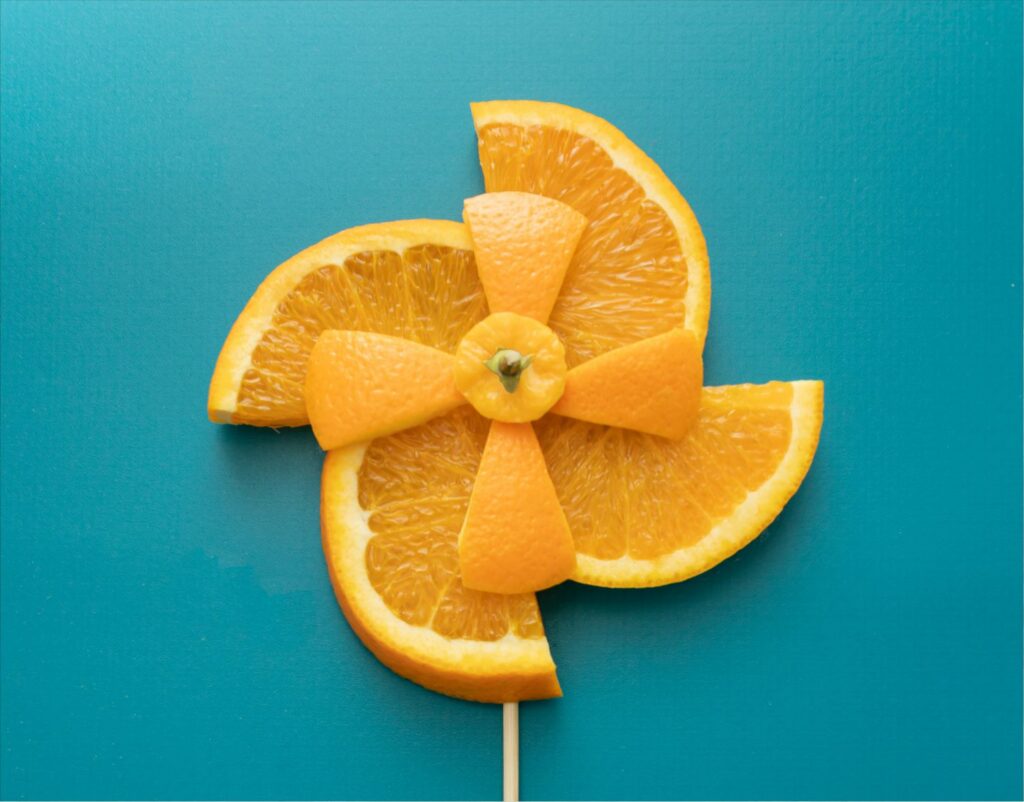
Modern food art has evolved significantly, influenced by social media and visual culture. Platforms like Instagram and Pinterest have turned food presentation into a global trend. Chefs, home cooks, and artists now experiment with colors, textures, and shapes to create dishes that are as attractive as they are delicious. Latte art, bento box designs, cake sculpting, and fruit carving are popular examples of how food can become a canvas for artistic expression.
One of the most exciting aspects of food art is its accessibility. Unlike many art forms that require specialized tools or training, food art can be practiced by anyone. A thoughtfully arranged plate, a creatively decorated dessert, or a playful design made from fruits and vegetables can instantly transform a meal. For children, food art can make healthy eating more enjoyable, encouraging them to try new foods through fun and engaging presentations.
Food art also plays an important role in professional culinary spaces. Restaurants use artistic presentation to create memorable dining experiences and build strong brand identities. Fine dining establishments often treat each dish as a work of art, carefully considering color contrast, portion placement, and negative space. Even street food vendors and cafés use food art techniques to attract customers and stand out in competitive markets.
Beyond aesthetics, food art can carry deeper meaning. Some artists use food to express cultural identity, social issues, or sustainability messages. Using natural ingredients, reducing waste, and highlighting local produce through artistic presentation can raise awareness about mindful consumption. In this way, food art becomes both a visual delight and a form of storytelling.
Ultimately, food art reminds us that eating is not just a routine activity but a celebration of creativity and culture. It encourages us to slow down, appreciate beauty, and enjoy the process of preparing and sharing meals. Whether created by a professional chef or a home cook experimenting in the kitchen, food art proves that imagination has a place on every plate.