
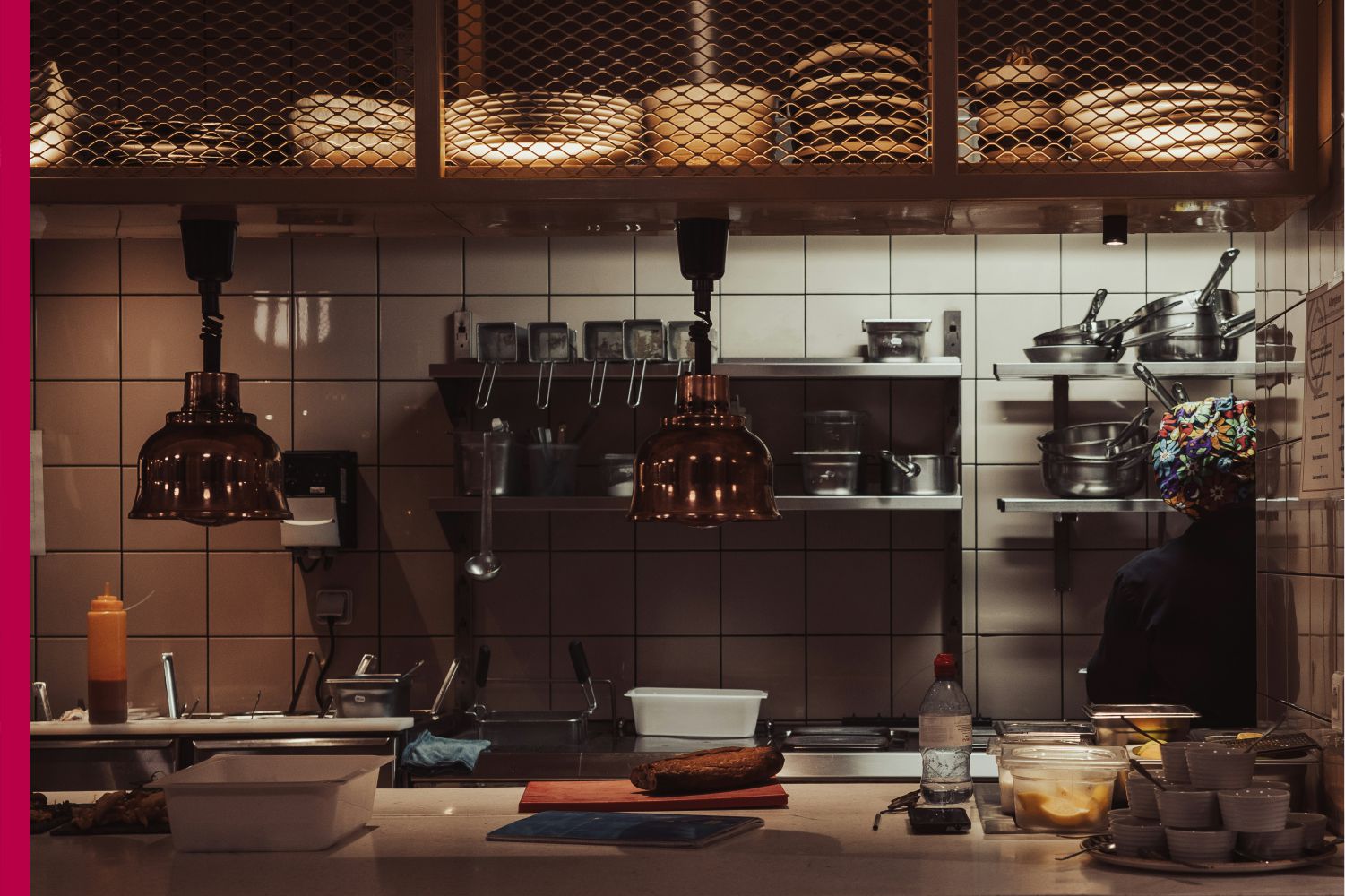


The food industry is undergoing a major transformation with the rapid growth of cloud kitchens. Also known as ghost kitchens or virtual kitchens, cloud kitchens operate without a dine-in facility and focus exclusively on online food delivery. This innovative business model has gained significant popularity in recent years, driven by changing consumer preferences, digital platforms, and cost-effective operations.
One of the primary factors contributing to the growth of cloud kitchens is the increasing demand for food delivery services. With busy lifestyles and the convenience of ordering food through mobile apps, consumers prefer quick and hassle-free dining options. Platforms like Swiggy and Zomato have played a crucial role in enabling cloud kitchens to reach a wide customer base. These platforms provide visibility, logistics support, and seamless ordering experiences.
Cost efficiency is another major advantage of cloud kitchens. Unlike traditional restaurants, cloud kitchens do not require expensive real estate in prime locations or investments in dining space and décor. This significantly reduces overhead costs, allowing entrepreneurs to focus on food quality and delivery efficiency. Lower operational costs also enable businesses to experiment with multiple brands or cuisines from a single kitchen setup.
Flexibility and scalability are key drivers of cloud kitchen growth. Businesses can quickly adapt to changing market trends and customer preferences by modifying menus, introducing new cuisines, or targeting specific customer segments. The ability to operate multiple virtual brands from one location allows for greater revenue potential without additional infrastructure investment.
Technology plays a central role in the success of cloud kitchens. Data analytics helps businesses understand customer preferences, optimize menus, and manage inventory efficiently. Order management systems streamline operations, ensuring faster preparation and delivery. Integration with digital payment systems further enhances the customer experience by providing secure and convenient transactions.
The rise of cloud kitchens has also opened opportunities for small entrepreneurs and home chefs. With lower entry barriers, individuals can start their own food businesses without significant capital investment. This has led to increased innovation and diversity in food offerings, catering to niche markets and local tastes.
In countries like India, cloud kitchens are experiencing rapid growth due to urbanization, increasing smartphone usage, and a growing middle-class population. The demand for diverse cuisines and quick delivery services is driving the expansion of this business model across major cities and even smaller towns.
Another emerging trend is the use of artificial intelligence and automation in cloud kitchen operations. AI-powered tools help predict demand, manage supply chains, and optimize delivery routes. Automation in food preparation and packaging is also improving efficiency and consistency, reducing human error.
Despite its advantages, the cloud kitchen model faces challenges. High competition, dependency on third-party delivery platforms, and maintaining food quality during transit are key concerns. Building brand identity without a physical presence can also be difficult. Businesses must invest in strong branding, customer service, and quality control to stand out in a crowded market.
Sustainability is becoming an important consideration in cloud kitchen operations. Many businesses are adopting eco-friendly packaging and optimizing delivery routes to reduce their environmental impact. This not only aligns with consumer expectations but also contributes to long-term sustainability.
In conclusion, cloud kitchen business growth is reshaping the food industry by offering a flexible, cost-effective, and technology-driven model. As consumer preferences continue to evolve, cloud kitchens are well-positioned to meet the demand for convenience and variety. With innovation, strategic planning, and a focus on quality, cloud kitchens will continue to play a significant role in the future of the food and hospitality sector.