









In today’s fast-paced and demanding world, mental fitness has become just as important as physical fitness. Constant deadlines, digital overload, work pressure, and personal responsibilities often lead to chronic stress, anxiety, and emotional exhaustion. Mental fitness and stress management focus on building psychological resilience, emotional balance, and healthy coping mechanisms that enable individuals to handle challenges effectively and maintain overall well-being.
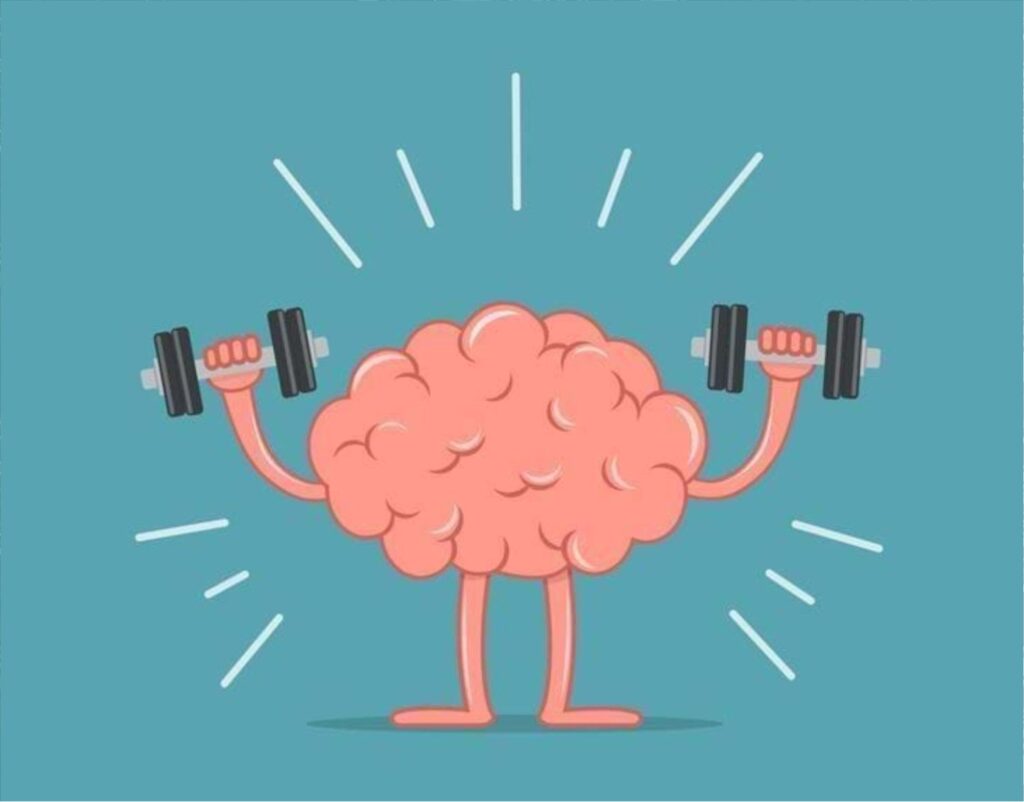
Mental fitness refers to the ability to manage thoughts, emotions, and behaviors in a way that supports clarity, focus, and emotional stability. Just like muscles need regular exercise to stay strong, the mind requires consistent care and practice to remain healthy. A mentally fit person is better equipped to adapt to change, manage pressure, and maintain a positive outlook even during difficult situations.
Stress, while a natural response to challenges, becomes harmful when it is prolonged or poorly managed. Chronic stress can negatively affect mental health, physical health, productivity, and relationships. Effective stress management helps reduce these risks by teaching individuals how to recognize stress triggers and respond to them in healthy ways rather than feeling overwhelmed.
One of the most effective tools for mental fitness is mindfulness. Mindfulness practices such as meditation, deep breathing, and conscious awareness help individuals stay present and reduce mental clutter. These techniques calm the nervous system, improve concentration, and promote emotional regulation. Even a few minutes of mindful breathing each day can significantly lower stress levels and improve mental clarity.
Physical activity also plays a vital role in mental fitness and stress management. Exercise releases endorphins, which are natural mood boosters that reduce stress and anxiety. Activities such as walking, yoga, stretching, or strength training not only improve physical health but also enhance emotional resilience and self-confidence. Regular movement helps break the cycle of stress and fatigue.
Healthy lifestyle habits are closely connected to mental well-being. Adequate sleep, balanced nutrition, and proper hydration support brain function and emotional stability. Poor sleep and unhealthy eating patterns can increase irritability, reduce focus, and intensify stress. Establishing consistent routines and prioritizing self-care are essential for maintaining mental fitness.
Another important aspect of stress management is emotional expression and social support. Talking about feelings with trusted friends, family members, or professionals helps reduce emotional burden and provides perspective. Strong social connections foster a sense of belonging and emotional safety, which are key components of mental resilience.
Time management and boundary setting are practical stress management strategies. Learning to prioritize tasks, delegate responsibilities, and say no when necessary prevents burnout. Creating realistic expectations and taking regular breaks helps maintain energy levels and productivity without compromising mental health.
Mental fitness also involves cultivating positive thinking and self-awareness. Practices such as journaling, gratitude exercises, and self-reflection help individuals identify negative thought patterns and replace them with constructive perspectives. This mindset shift improves emotional strength and coping ability.
In conclusion, mental fitness and stress management are essential for leading a balanced and fulfilling life. By practicing mindfulness, maintaining healthy habits, staying active, and nurturing emotional connections, individuals can build resilience against stress. Investing in mental fitness not only improves personal well-being but also enhances performance, relationships, and overall quality of life in the long run.