




Fitness apps and wearable technology have transformed how people approach health and wellness. What once required gym visits, personal trainers, or manual tracking can now be managed through smartphones and smart devices. By combining real-time data, personalized insights, and user-friendly interfaces, fitness apps and wearables empower individuals to take control of their physical activity, health habits, and overall well-being.
Fitness apps serve as digital fitness companions, offering workout plans, activity tracking, nutrition guidance, and progress monitoring. Users can choose routines based on goals such as weight loss, muscle building, flexibility, or endurance. Many apps include video demonstrations, reminders, and performance feedback, making workouts more accessible for beginners and experienced users alike. The convenience of guided workouts at home or on the go encourages consistency and long-term engagement.
Wearable technology, such as smartwatches and fitness bands, enhances this experience by providing continuous health monitoring. These devices track metrics like steps taken, heart rate, calories burned, sleep quality, and physical activity levels throughout the day. Advanced wearables also monitor blood oxygen levels, stress, and even heart rhythm, offering valuable insights into overall health. By collecting real-time data, wearables help users understand their bodies better and make informed lifestyle choices.
One of the key benefits of fitness apps and wearables is personalization. Using collected data, these tools adapt recommendations based on individual performance and habits. Personalized goals, workout intensity adjustments, and health insights improve effectiveness and motivation. This tailored approach helps users stay committed and see measurable progress over time.
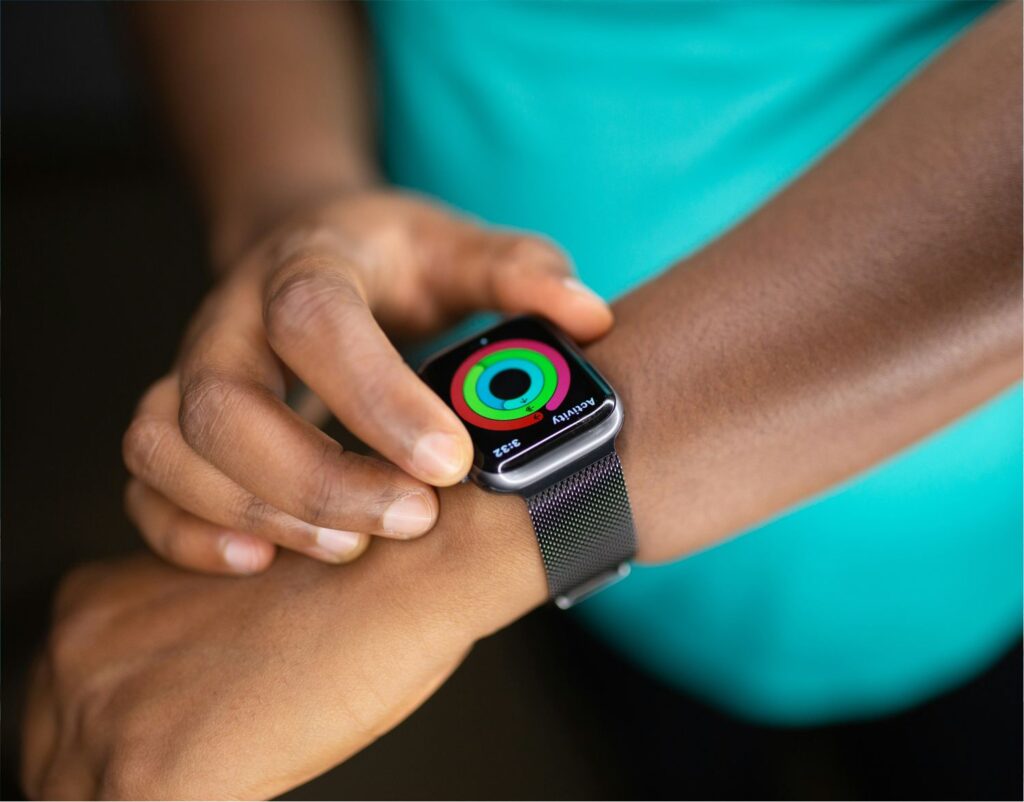
Another important advantage is motivation and accountability. Features such as daily targets, achievement badges, progress charts, and social challenges encourage users to stay active. Many apps allow users to connect with friends or join virtual fitness communities, creating a sense of competition and support. This social element boosts motivation and helps users maintain healthy routines.
Fitness apps and wearable technology also support preventive healthcare. Early detection of irregular heart rates, poor sleep patterns, or low activity levels can prompt users to take corrective action or seek medical advice. Healthcare providers increasingly use wearable data to monitor patients remotely, manage chronic conditions, and support recovery programs. This integration of technology and healthcare improves outcomes and reduces the need for frequent hospital visits.
In addition, these technologies promote data-driven health awareness. Users gain a clearer understanding of how exercise, sleep, nutrition, and stress impact their bodies. Over time, this awareness encourages healthier habits and better decision-making.
In conclusion, fitness apps and wearable technology are revolutionizing personal health management by making fitness more accessible, personalized, and engaging. By providing real-time insights, motivation, and preventive health support, these tools empower individuals to lead healthier and more active lives. As technology continues to advance, fitness apps and wearables will play an even greater role in shaping the future of health and wellness.