




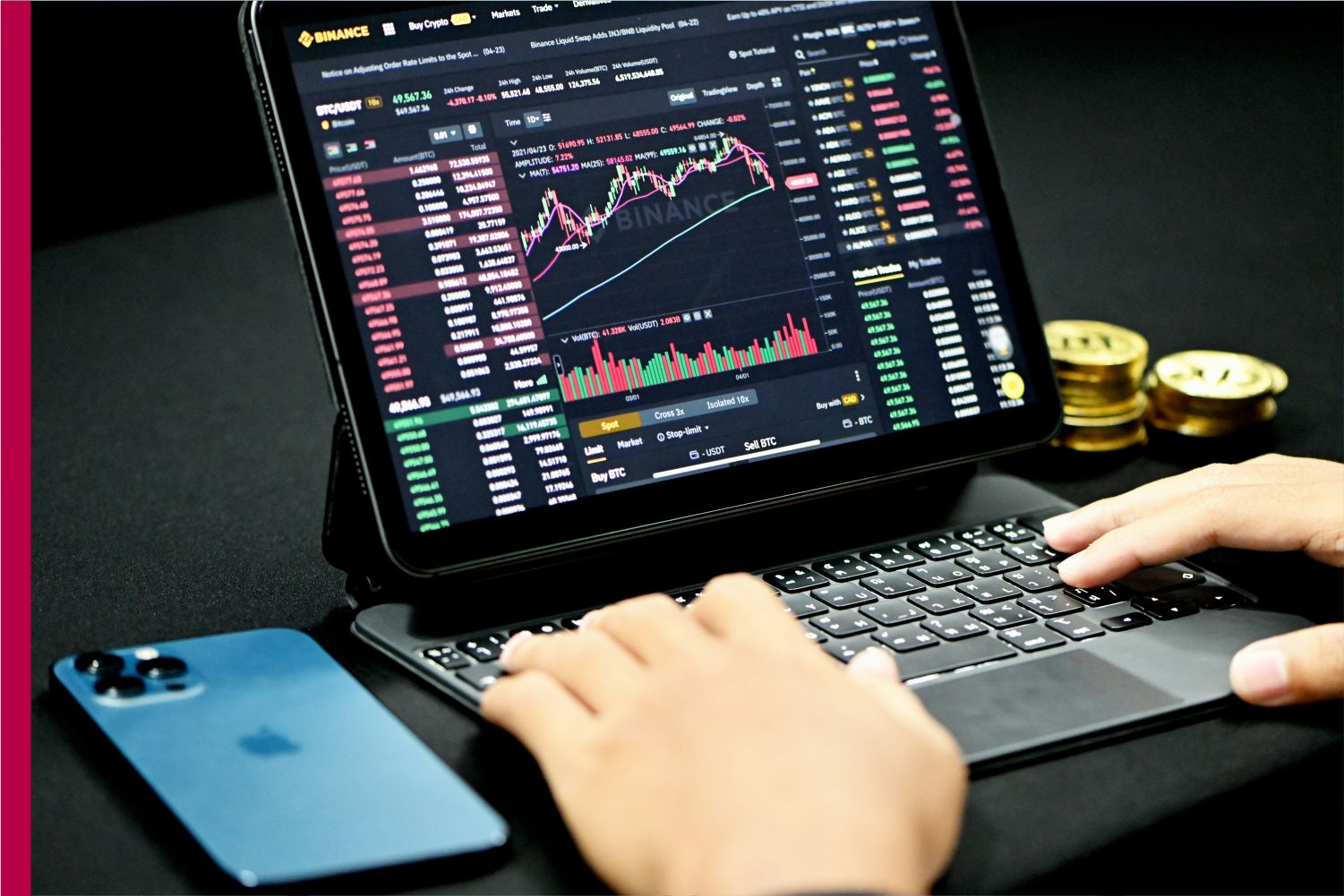
Trading has become one of the most dynamic and accessible ways for individuals to grow their wealth in today’s financial landscape. From traditional stock markets to modern cryptocurrencies, trading offers a wide range of opportunities for people who are willing to learn, strategize, and take calculated risks. What once seemed like a complex activity reserved for financial experts is now open to anyone with an internet connection and the curiosity to explore how markets work. As technology continues to evolve, trading has transformed into a powerful tool for financial independence and economic growth.
At its core, trading involves buying and selling financial assets—such as stocks, commodities, currencies, or digital coins with the goal of making a profit. Prices move due to supply and demand, news events, economic data, and global trends. Traders attempt to predict these movements and act at the right time. Unlike long-term investing, which focuses on holding assets for years, trading often involves shorter time frames, requiring quick decision-making and consistent market monitoring.
One of the primary attractions of trading is the potential for high returns. Skilled traders can take advantage of market volatility, turning price fluctuations into profit. However, this potential comes with risk. Markets can be unpredictable, and emotional decisions may lead to significant losses. Successful trading therefore requires discipline, patience, and a well-thought-out strategy. Many beginners underestimate the learning process, but understanding charts, patterns, indicators, and market psychology is essential for long-term success.
Technology has played a major role in the growth of modern trading. Online platforms and mobile apps offer real-time data, tools for analysis, and instant order execution. Automated trading systems and algorithms allow traders to set rules that execute trades without human intervention. Social trading platforms even enable beginners to follow experienced traders and learn from their strategies. These advancements have made trading more convenient and widespread, but they also require users to stay informed and cautious.
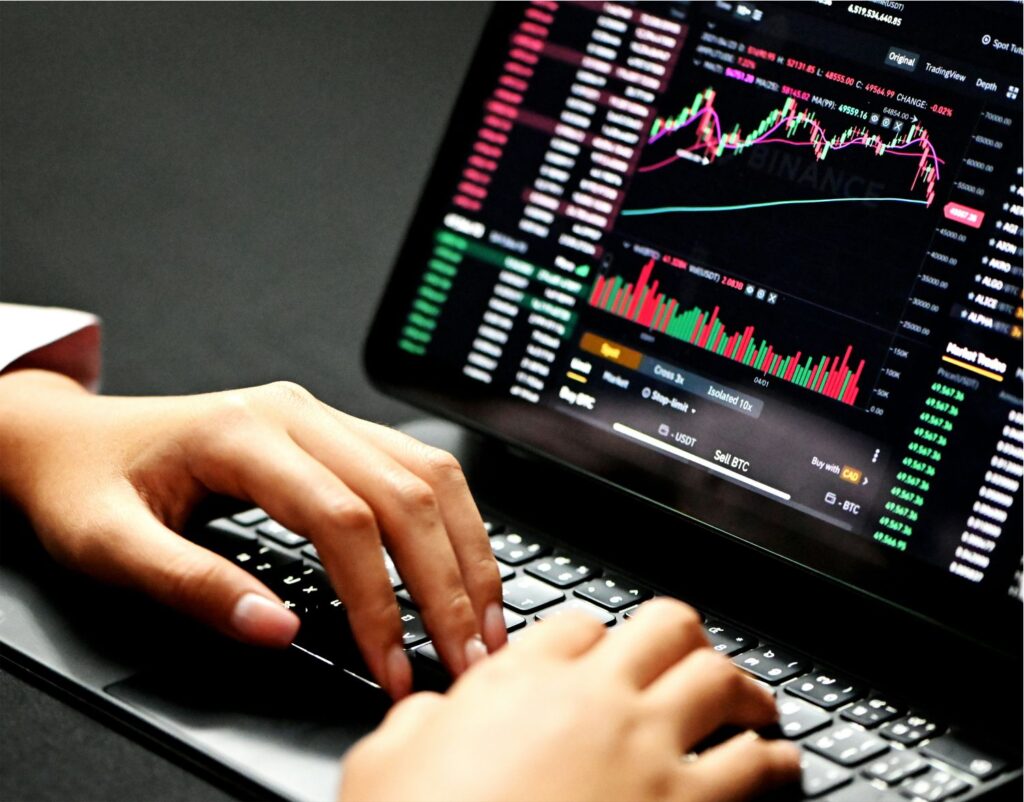
There are several types of trading styles to suit different personalities and lifestyles. Day trading involves buying and selling within the same day, relying on quick market movements. Swing trading focuses on capturing trends over several days or weeks. Position trading takes a longer-term approach, based on major economic trends. Forex trading deals with currency pairs, while commodity trading involves assets like gold, oil, and agricultural products. Cryptocurrency trading has gained massive popularity as digital currencies continue to evolve. Each style comes with unique risks and rewards, allowing individuals to choose the method that aligns best with their comfort and expertise.
Risk management is a crucial element in trading. Setting stop-loss orders, diversifying trades, and avoiding emotional decision-making can protect traders from unnecessary losses. Education is equally important—reading market news, studying charts, and analyzing trends help traders make informed decisions rather than relying on luck. Many successful traders emphasize the importance of continuous learning and adapting to changing market conditions.
Trading offers freedom, excitement, and the possibility of financial growth, but it also demands responsibility and strategic thinking. It is a journey that involves learning from both successes and failures. With the right mindset, tools, and discipline, trading can become a rewarding experience that not only strengthens financial understanding but also builds long-term wealth.