





The fashion industry is constantly evolving, reflecting cultural shifts, technological innovation, and changing consumer preferences. In recent years, fashion has moved beyond aesthetics alone, embracing sustainability, inclusivity, and digital transformation. Today’s trends highlight not only what people wear, but also how clothing is produced, marketed, and experienced across the globe.
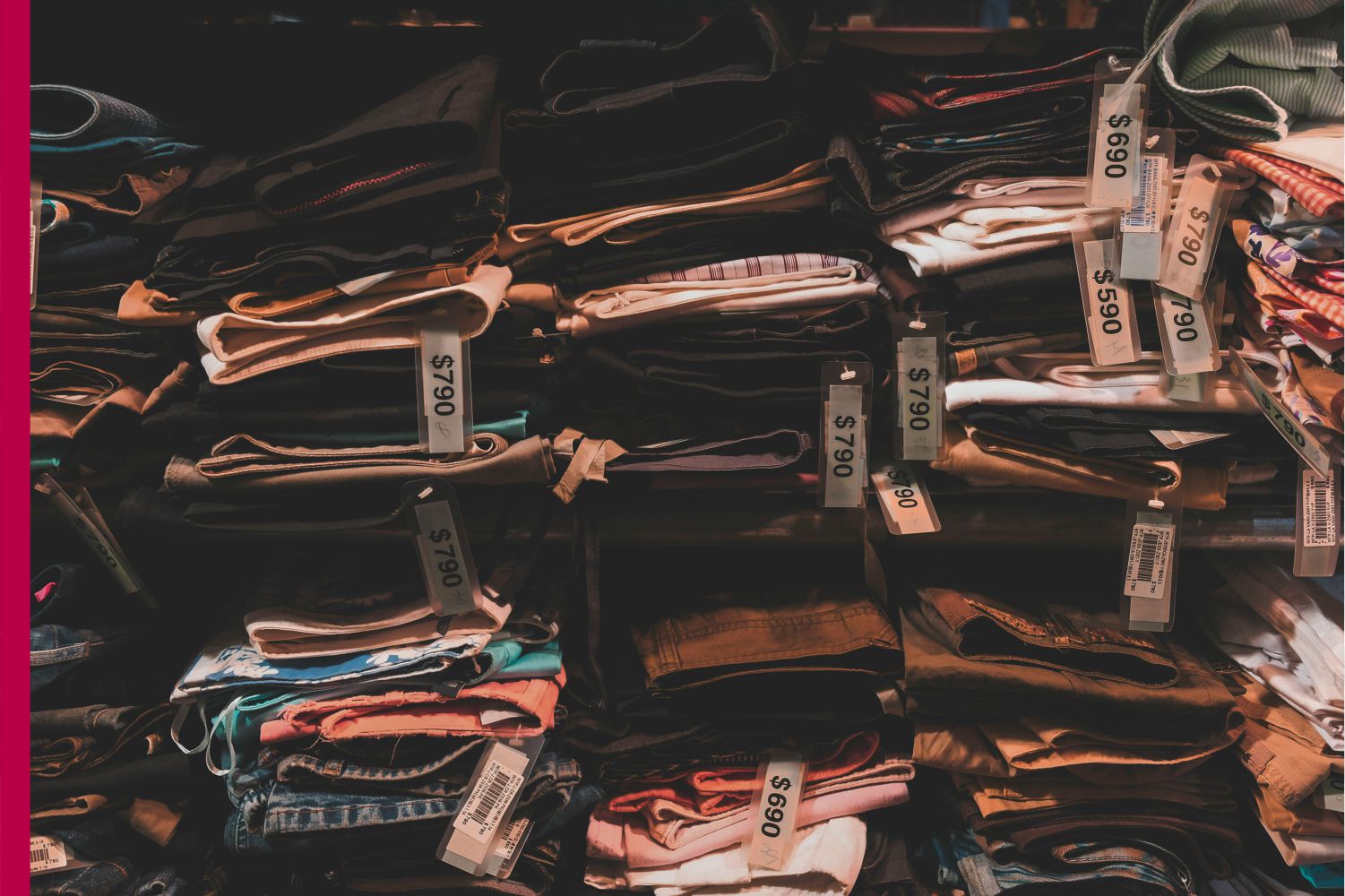
One of the most influential trends shaping the fashion industry is sustainability. Consumers are becoming more conscious of environmental impact, pushing brands to adopt eco-friendly practices. Sustainable materials such as organic cotton, recycled polyester, and plant-based fabrics are increasingly used in collections. Many fashion labels are also focusing on ethical production, reducing waste, and promoting slow fashion to counter the negative effects of mass production. Transparency in sourcing and manufacturing has become a key expectation among modern consumers.
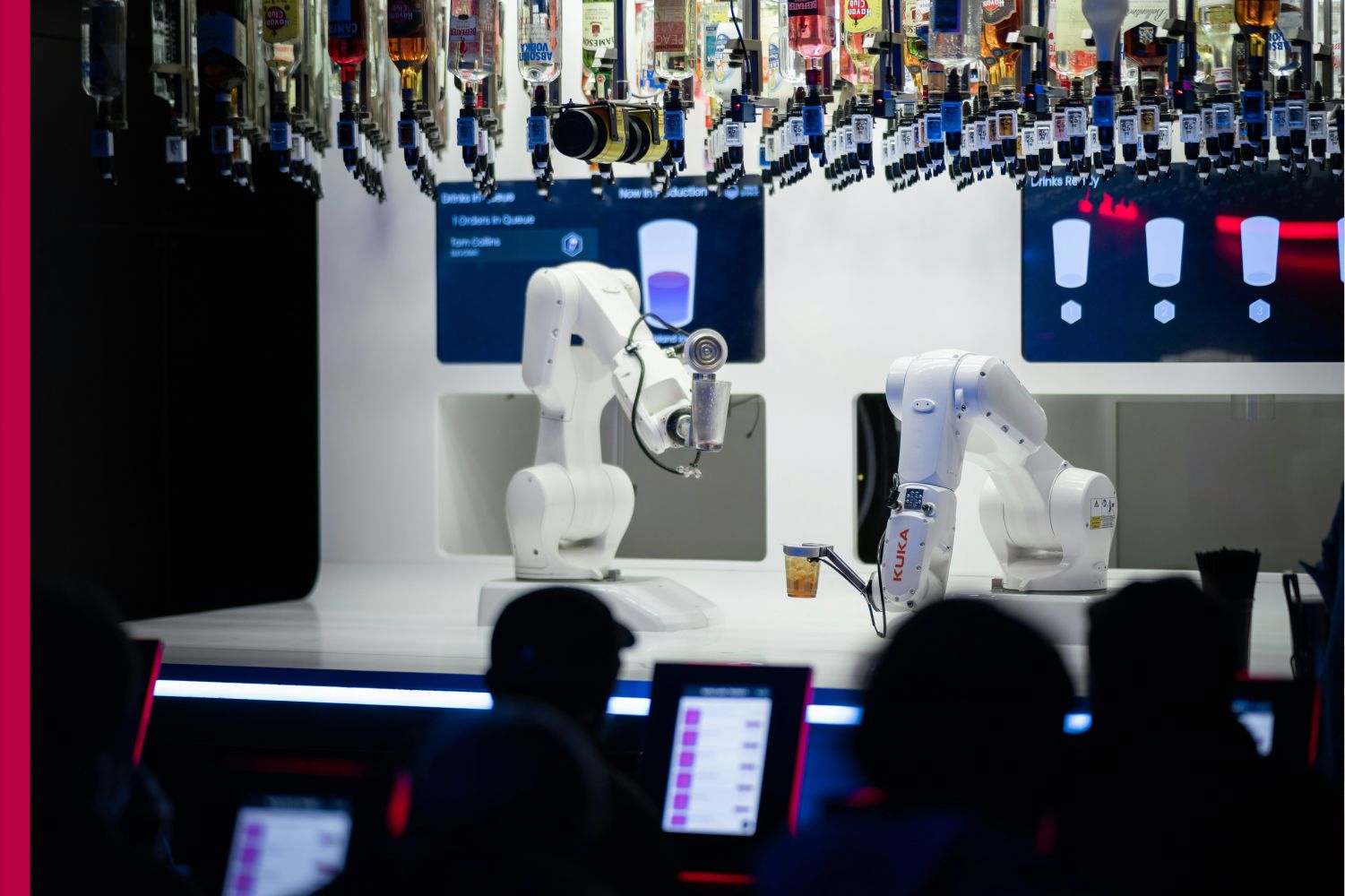
Digital transformation is another major trend redefining fashion. Technology has changed how brands design, showcase, and sell their products. Virtual fashion shows, digital fitting rooms, and augmented reality experiences allow customers to interact with fashion in innovative ways. E-commerce and social media platforms play a crucial role in shaping trends, with influencers and digital creators driving global style movements. Artificial intelligence is also being used to analyze consumer behavior, forecast trends, and personalize shopping experiences.
Inclusivity and diversity have become central themes in the fashion world. Brands are increasingly embracing body positivity, gender-neutral designs, and representation across age, ethnicity, and ability. Extended size ranges and adaptive clothing lines reflect a shift toward more inclusive fashion that celebrates individuality. This trend highlights the industry’s growing commitment to making fashion accessible and relatable for a broader audience.
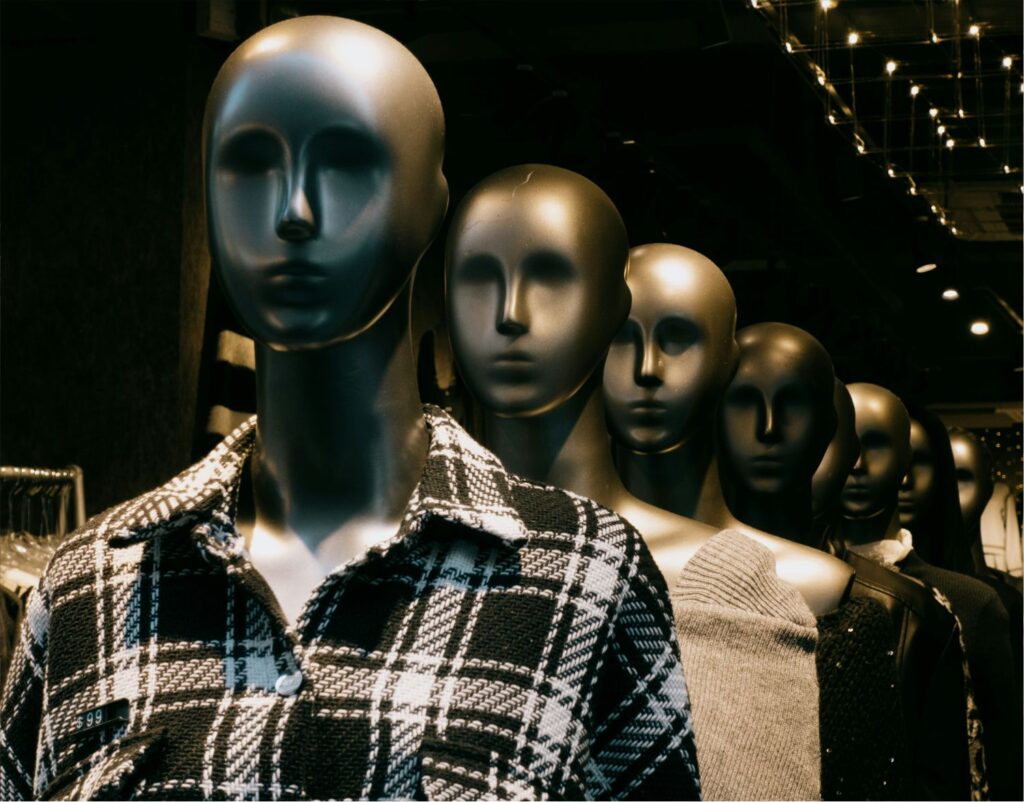
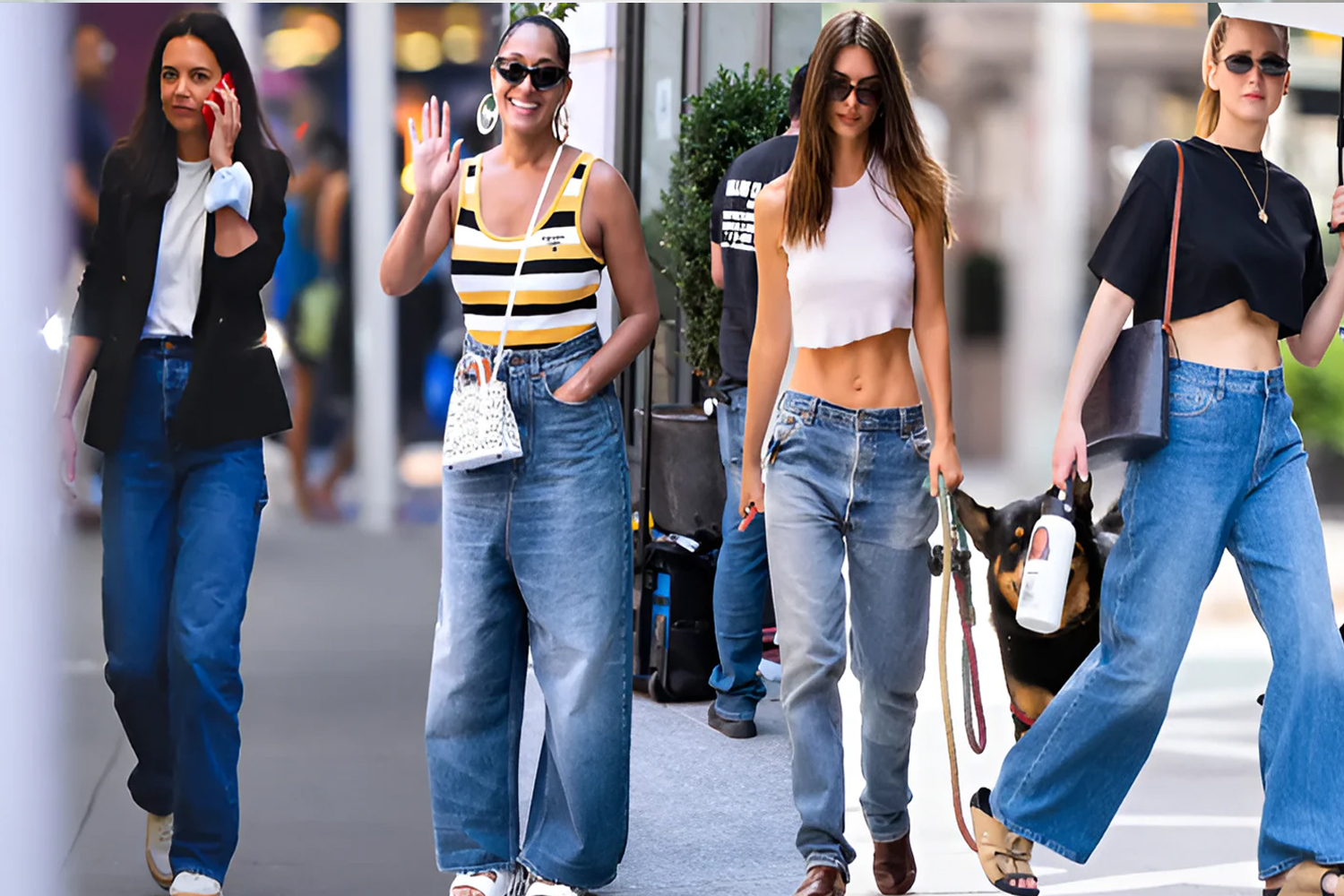
Comfort-driven fashion continues to dominate modern wardrobes. The rise of remote work and lifestyle changes has popularized athleisure and relaxed silhouettes that blend style with functionality. Loose-fitting garments, breathable fabrics, and versatile designs allow consumers to transition effortlessly between work, leisure, and social settings. Comfort is no longer seen as a compromise but as an essential element of contemporary fashion.
Another notable trend is the fusion of traditional craftsmanship with modern design. Designers are reintroducing heritage techniques, handwoven fabrics, and cultural motifs into contemporary collections. This blend of tradition and innovation adds uniqueness and storytelling to fashion, appealing to consumers seeking authenticity and meaning in their clothing choices.
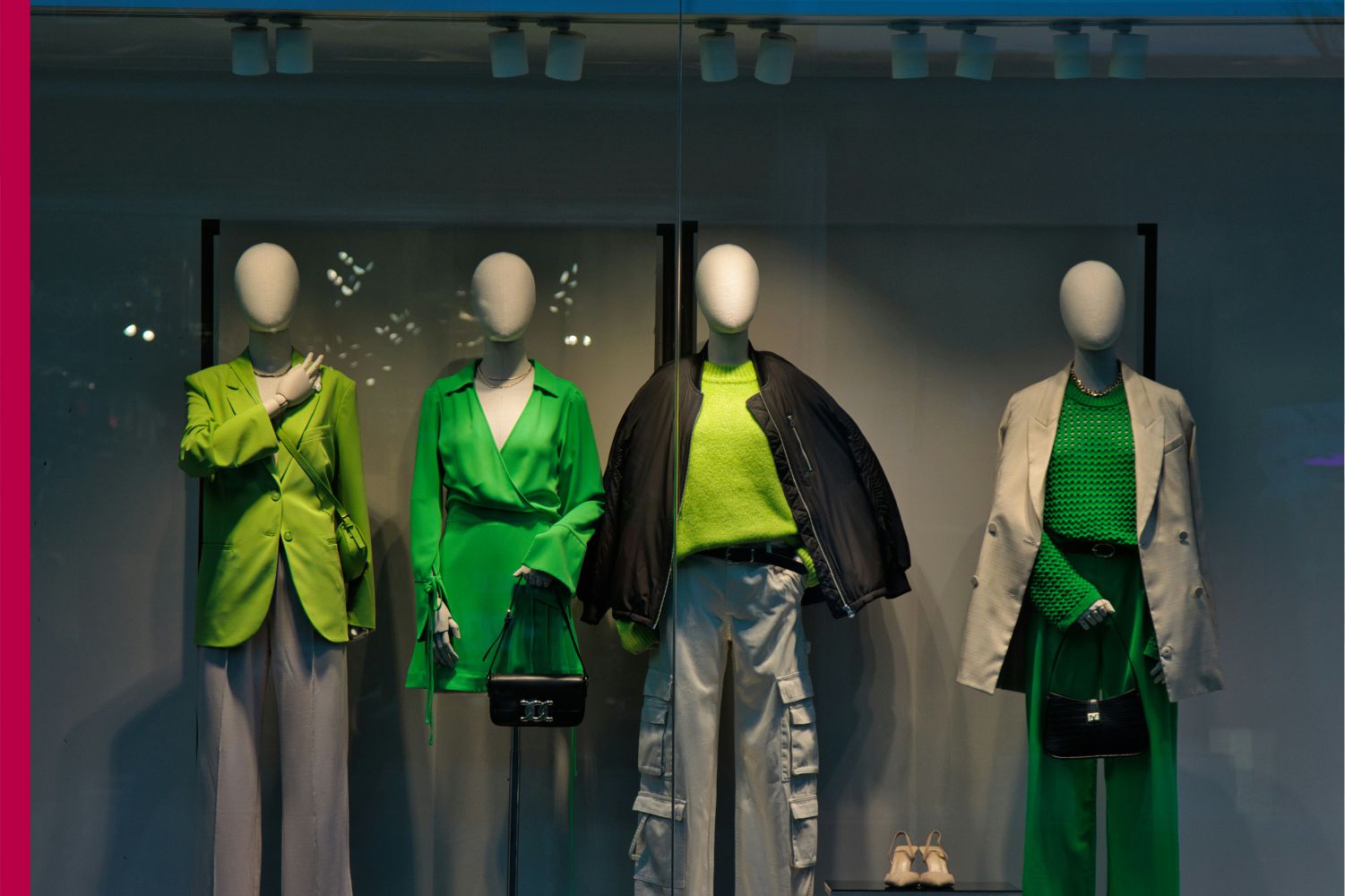
Customization and personalization are also gaining momentum in the fashion industry. Consumers increasingly desire unique pieces that reflect their personal style. Brands are offering made-to-order services, customizable designs, and limited-edition collections to meet this demand. This approach not only enhances customer engagement but also helps reduce excess inventory and waste.
In conclusion, the latest fashion industry trends reveal a shift toward conscious, tech-driven, and inclusive fashion. By prioritizing sustainability, digital innovation, comfort, and individuality, the fashion industry continues to adapt to modern lifestyles while shaping the future of global style.