




Fast fashion has transformed the global apparel industry by making trendy clothing affordable and widely accessible. Brands rapidly replicate runway styles and deliver new collections to stores within weeks, encouraging frequent purchases and short product lifecycles. While this model satisfies consumer demand for low-cost fashion, it comes with significant environmental consequences that are increasingly difficult to ignore.
One of the most serious environmental impacts of fast fashion is resource overconsumption. The industry relies heavily on water, energy, and raw materials to produce massive volumes of clothing. Cotton cultivation alone requires enormous amounts of water, while synthetic fabrics such as polyester are derived from fossil fuels. As production scales up to meet fast fashion demand, natural resources are depleted at unsustainable rates.
Water pollution is another major concern. Textile dyeing and finishing processes use thousands of chemicals, many of which are toxic. In countries where environmental regulations are weak, untreated wastewater is often discharged directly into rivers and lakes. This contaminates drinking water, harms aquatic ecosystems, and affects the health of nearby communities. Environmental organizations such as Greenpeace have repeatedly highlighted the fashion industry’s role in industrial water pollution.
Fast fashion also contributes significantly to carbon emissions and climate change. The global apparel industry is one of the largest contributors to greenhouse gas emissions due to energy-intensive manufacturing, long-distance transportation, and synthetic fiber production. Clothes are often produced in one country, assembled in another, and sold worldwide, creating a large carbon footprint at every stage of the supply chain.
Textile waste is one of the most visible environmental consequences of fast fashion. Because clothing is designed to be inexpensive and trend-driven, garments are often worn only a few times before being discarded. Millions of tons of textile waste end up in landfills each year, where natural fibers can take years to decompose and synthetic materials may persist for decades. Some discarded clothing is incinerated, releasing harmful emissions into the atmosphere.
Microplastic pollution is another growing issue linked to fast fashion. Synthetic fabrics such as polyester, nylon, and acrylic shed tiny plastic fibers during washing. These microplastics enter waterways and oceans, where they accumulate in marine life and eventually enter the human food chain. This invisible form of pollution poses long-term risks to ecosystems and human health.
The environmental impact of fast fashion is closely tied to overproduction and overconsumption. Brands often produce more clothing than needed to keep prices low and shelves full. Unsold inventory is sometimes destroyed rather than recycled or reused, further increasing waste and emissions. This linear “take-make-dispose” model is fundamentally unsustainable.
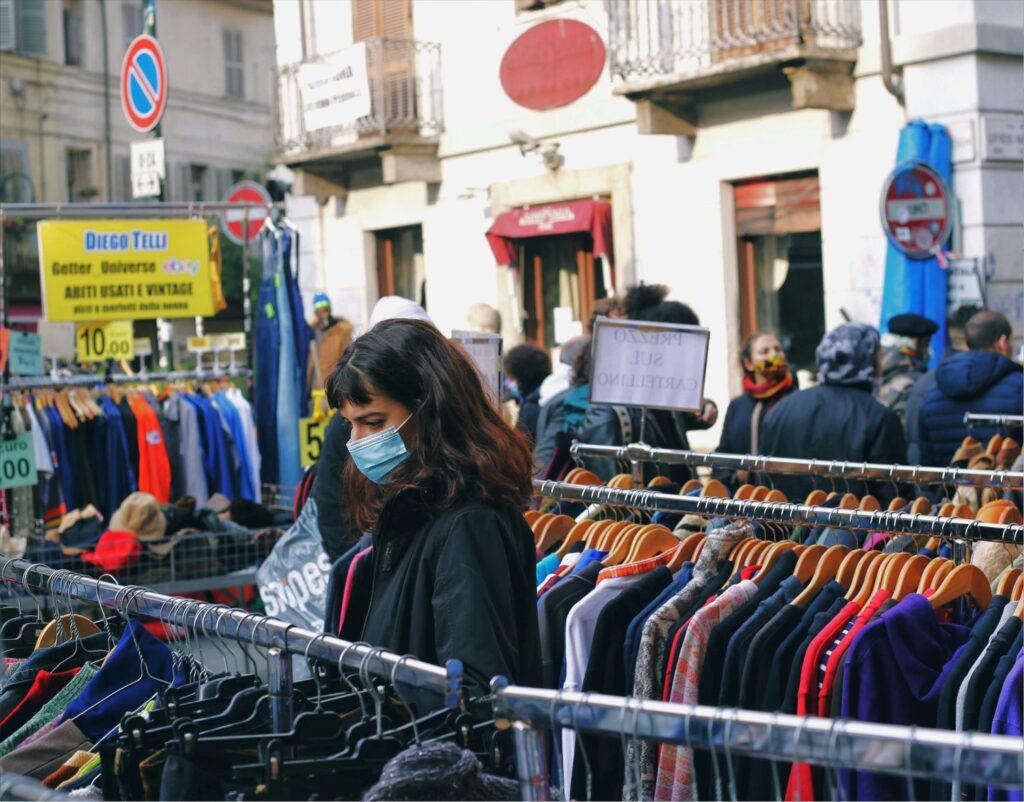
However, awareness of fast fashion’s environmental impact is driving change. Consumers are becoming more conscious of their purchasing habits, and many are turning to sustainable alternatives such as slow fashion, thrift shopping, and ethically produced clothing. International initiatives supported by organizations like the United Nations Environment Programme promote circular fashion models that emphasize durability, recycling, and responsible production.
In conclusion, while fast fashion offers affordability and convenience, its environmental cost is substantial. Resource depletion, pollution, carbon emissions, and textile waste make it one of the most damaging consumer industries. Addressing these challenges requires collective action—from brands adopting sustainable practices to consumers making mindful choices. By shifting toward responsible fashion, the industry can reduce its environmental footprint and move toward a more sustainable future.