


Gen Z fashion is more than a trend it is a powerful form of self-expression shaped by individuality, digital culture, and social awareness. Born roughly between the mid-1990s and early 2010s, Gen Z has grown up in a hyper-connected world where fashion inspiration is just a scroll away. Unlike previous generations, they are not loyal to a single style or brand. Instead, they mix influences freely, creating looks that are personal, experimental, and often bold.
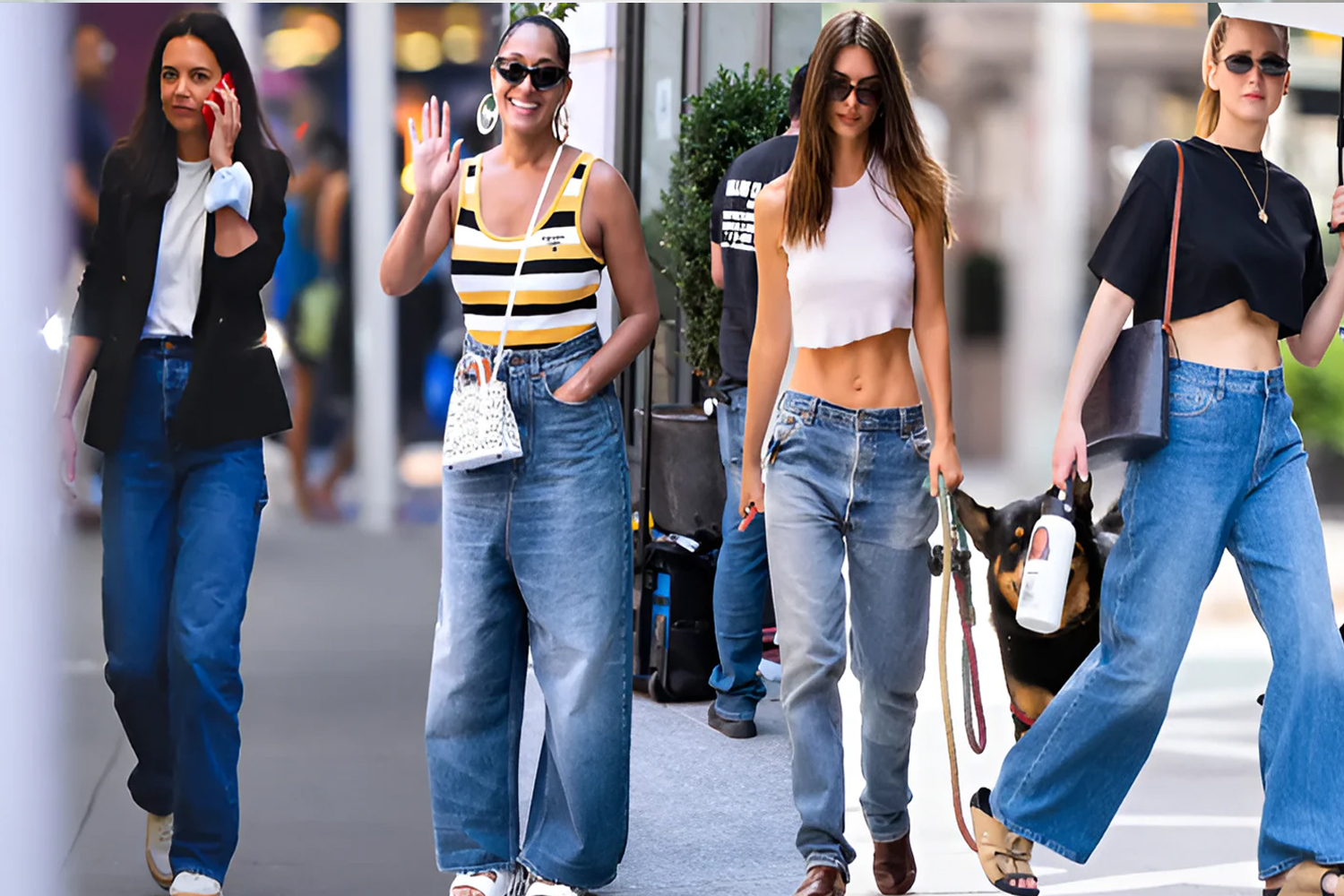
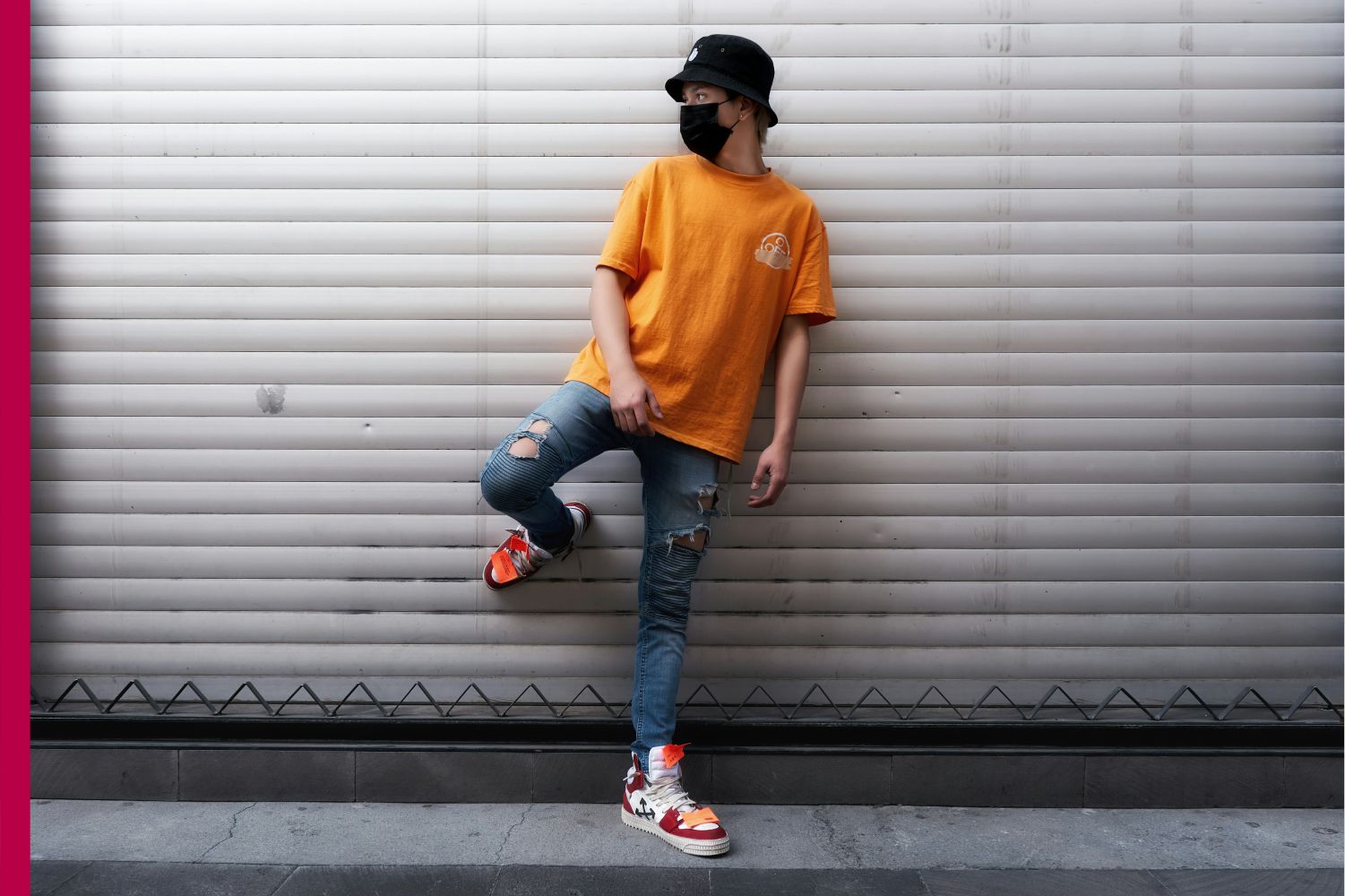
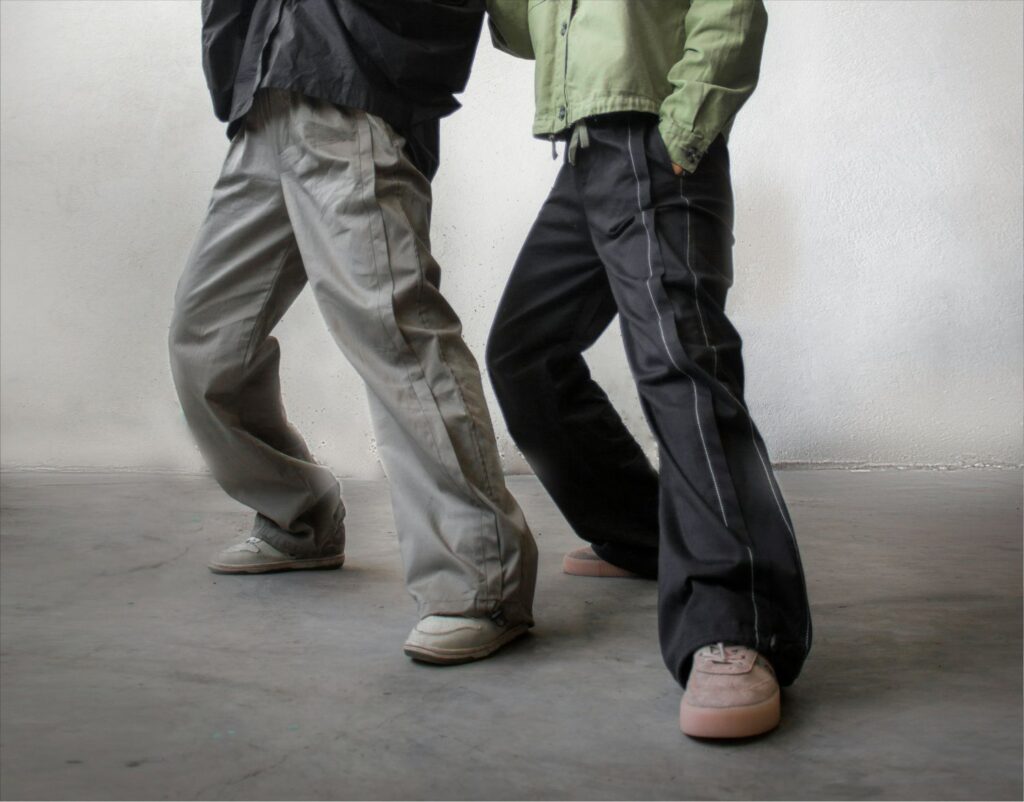
One of the defining traits of Gen Z fashion is its rejection of rigid fashion rules. This generation embraces fluidity in both style and identity. Oversized silhouettes, gender-neutral clothing, and unisex fashion are widely accepted and celebrated. Baggy jeans, cargo pants, hoodies, and layered outfits dominate everyday wear, reflecting comfort without sacrificing style. At the same time, Gen Z is equally comfortable reviving slim fits, crop tops, and body-hugging styles when it suits their mood.
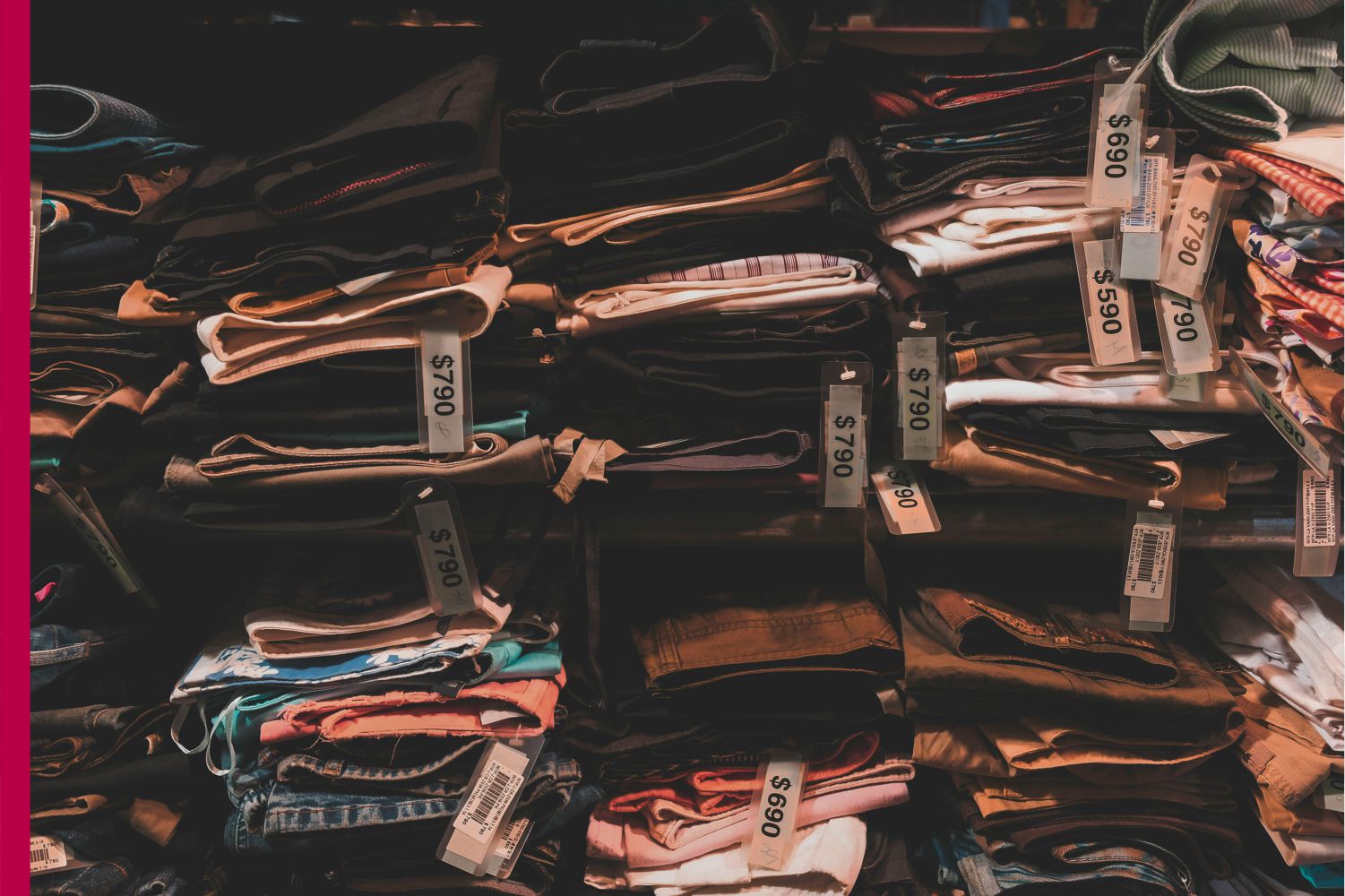
Nostalgia plays a huge role in shaping Gen Z aesthetics. Trends from the 1990s and early 2000s—often referred to as Y2K fashion have made a strong comeback. Low-rise jeans, butterfly tops, chunky sneakers, mini skirts, and colorful accessories are popular once again, reimagined through a modern lens. Thrifted and vintage pieces are especially valued, as they allow Gen Z to stand out while embracing sustainability.
Social media platforms like Instagram, TikTok, and Pinterest heavily influence Gen Z fashion choices. Viral trends can rise and fall within weeks, making fashion faster and more dynamic than ever before. Influencers, content creators, and everyday users all contribute to shaping trends, breaking the traditional top-down fashion model. Anyone with creativity and confidence can set a new style direction, making fashion more democratic and inclusive.
Sustainability and ethics are central to Gen Z’s approach to fashion. This generation is more aware of environmental issues and the impact of fast fashion. As a result, many Gen Z consumers support eco-friendly brands, upcycled clothing, and second-hand shopping. Thrifting, clothing swaps, and DIY fashion are not just cost-effective choices but also statements of responsibility and creativity.
Another key aspect of Gen Z fashion is its focus on storytelling and meaning. Outfits often reflect personal beliefs, cultural identity, mental health awareness, or social movements. Graphic tees with bold messages, handmade jewelry, and customized pieces allow individuals to communicate who they are and what they stand for without saying a word.
In essence, Gen Z fashion is not about fitting in it’s about standing out authentically. It blends past and present, comfort and creativity, style and substance. By prioritizing self-expression, inclusivity, and sustainability, Gen Z is reshaping the fashion industry and proving that clothing can be both a personal statement and a powerful voice in a rapidly changing world.