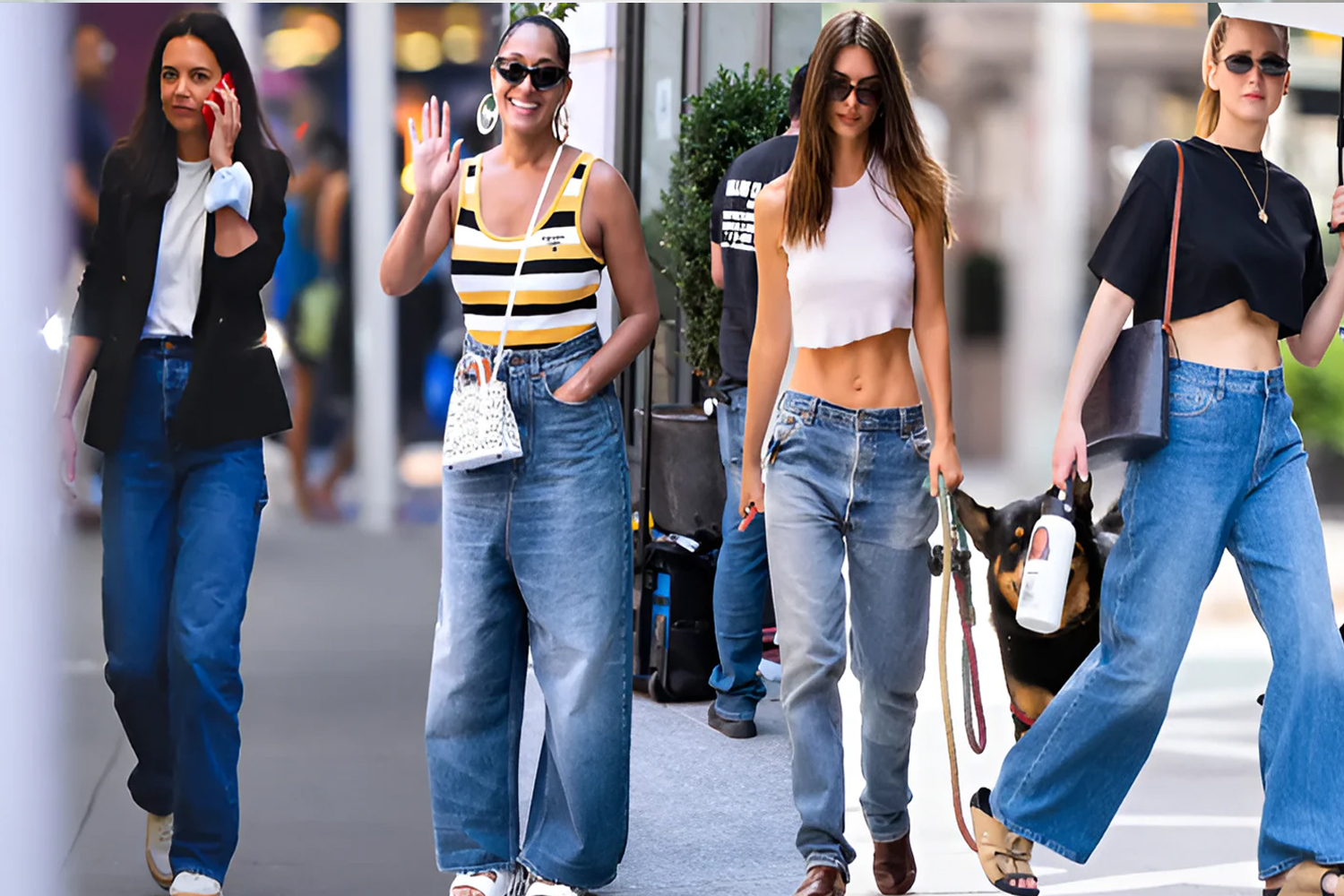









The fashion industry is experiencing a major digital transformation, driven by emerging technologies that are reshaping how consumers discover, experience, and purchase clothing. Among the most impactful innovations are digital fashion and virtual try-on technology. These advancements blend creativity with technology, offering immersive, personalized, and sustainable shopping experiences while redefining traditional fashion models.
Digital fashion refers to clothing and accessories that are designed, showcased, and sometimes sold in virtual environments. These garments may exist purely in digital form for avatars, social media, gaming, or the metaverse, or they may serve as digital prototypes for physical production. Designers use 3D modeling and simulation tools to create lifelike digital garments, reducing the need for physical samples and speeding up the design process. This approach not only cuts costs but also minimizes fabric waste, supporting sustainability goals.
Virtual try-on technology is transforming the way consumers shop online. Using augmented reality (AR), artificial intelligence (AI), and computer vision, virtual try-on tools allow customers to see how clothes, shoes, or accessories would look on them without physically wearing them. By using a smartphone camera or uploaded images, shoppers can visualize fit, color, and style in real time. This interactive experience bridges the gap between online and in-store shopping, increasing buyer confidence.
One of the biggest advantages of virtual try-on technology is improved customer satisfaction. Online fashion shopping has long struggled with issues such as incorrect sizing and unmet expectations. Virtual try-ons help reduce uncertainty by providing a realistic preview of products, leading to fewer returns and exchanges. For brands, this translates into lower reverse logistics costs and improved operational efficiency.
Digital fashion and virtual try-ons also support personalization. AI-driven systems analyze body measurements, preferences, and past purchases to recommend styles and sizes tailored to individual users. This personalized approach enhances engagement and builds stronger brand loyalty. Customers feel more understood and are more likely to return to platforms that offer customized experiences.
From a sustainability perspective, these technologies offer significant benefits. Digital sampling reduces the need for physical prototypes, lowering material waste and carbon emissions. Virtual showrooms and fashion shows minimize travel and resource consumption, making the fashion ecosystem more environmentally responsible. Additionally, fewer product returns mean reduced transportation emissions and packaging waste.
Fashion brands are also leveraging digital fashion for marketing and innovation. Virtual collections, digital-only outfits, and interactive campaigns allow brands to experiment creatively and connect with younger, tech-savvy audiences. Social media filters, virtual influencers, and avatar-based styling are opening new revenue streams and redefining brand storytelling in the digital age.
Despite its promise, digital fashion and virtual try-on technology face challenges. High development costs, technology integration, data privacy concerns, and the need for accurate body scanning remain barriers to widespread adoption. However, as technology becomes more accessible and consumer acceptance grows, these challenges are gradually being addressed.
In conclusion, digital fashion and virtual try-on technology are revolutionizing the fashion industry by enhancing customer experience, enabling personalization, and promoting sustainability. By merging innovation with style, these technologies are shaping a future where fashion is more interactive, efficient, and environmentally conscious. As digital adoption accelerates, virtual fashion experiences will become an integral part of how people shop, express themselves, and engage with brands.