




The Prince of Persia franchise stands as one of the most iconic and influential series in video game history. First introduced in 1989 by game designer Jordan Mechner, the series redefined action-adventure gaming through its fluid animation, intelligent level design, and rich storytelling. Spanning more than three decades, Prince of Persia has evolved across platforms and generations while retaining its core identity—an elegant blend of acrobatics, combat, and myth-inspired narratives.
The original Prince of Persia game was revolutionary for its time. Mechner used rotoscoping, a technique where real human movements are traced frame by frame, to create realistic character animation. This gave the Prince a sense of weight, grace, and realism unseen in other games of the era. Players navigated deadly traps, solved puzzles, and raced against time to rescue the Princess, establishing a formula that would influence countless platformers in the years to come.
The franchise reached new heights in the early 2000s with Prince of Persia: The Sands of Time. This title marked a bold reinvention, transitioning the series into 3D while introducing innovative gameplay mechanics. The most memorable addition was the Dagger of Time, which allowed players to rewind time, slow it down, or freeze enemies. This mechanic not only reduced frustration from failed jumps or combat mistakes but also became a storytelling device that enhanced immersion. The game’s Persian-inspired environments, orchestral music, and poetic narration created an experience that felt cinematic and emotionally engaging.
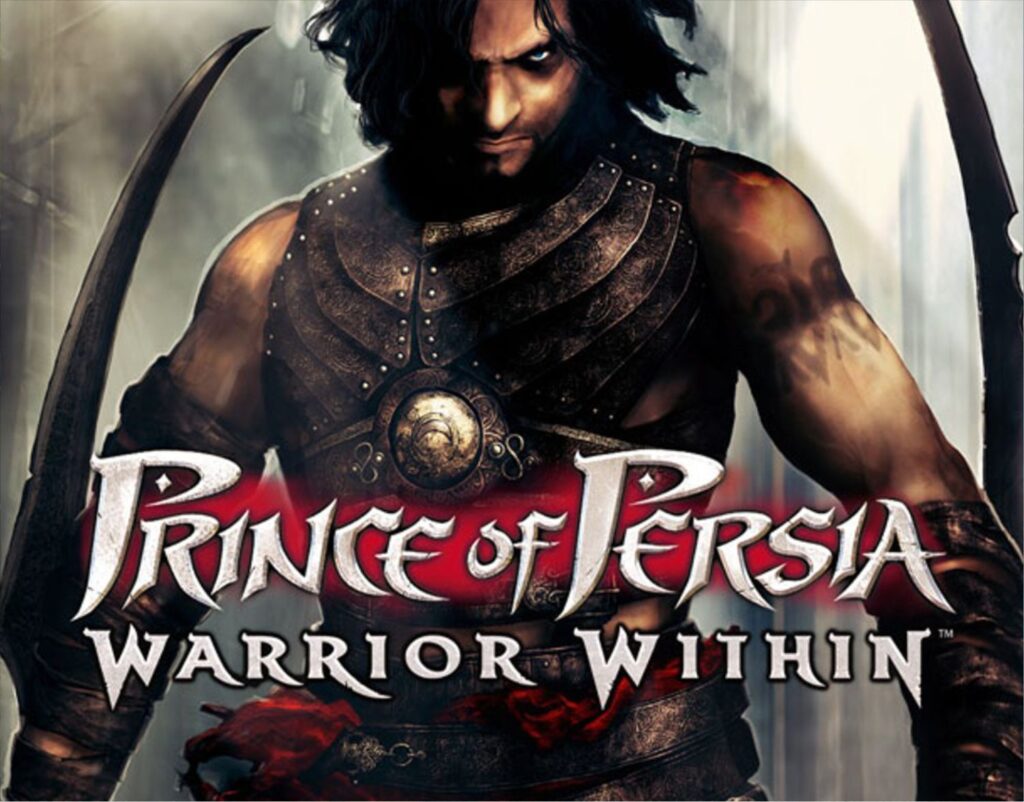
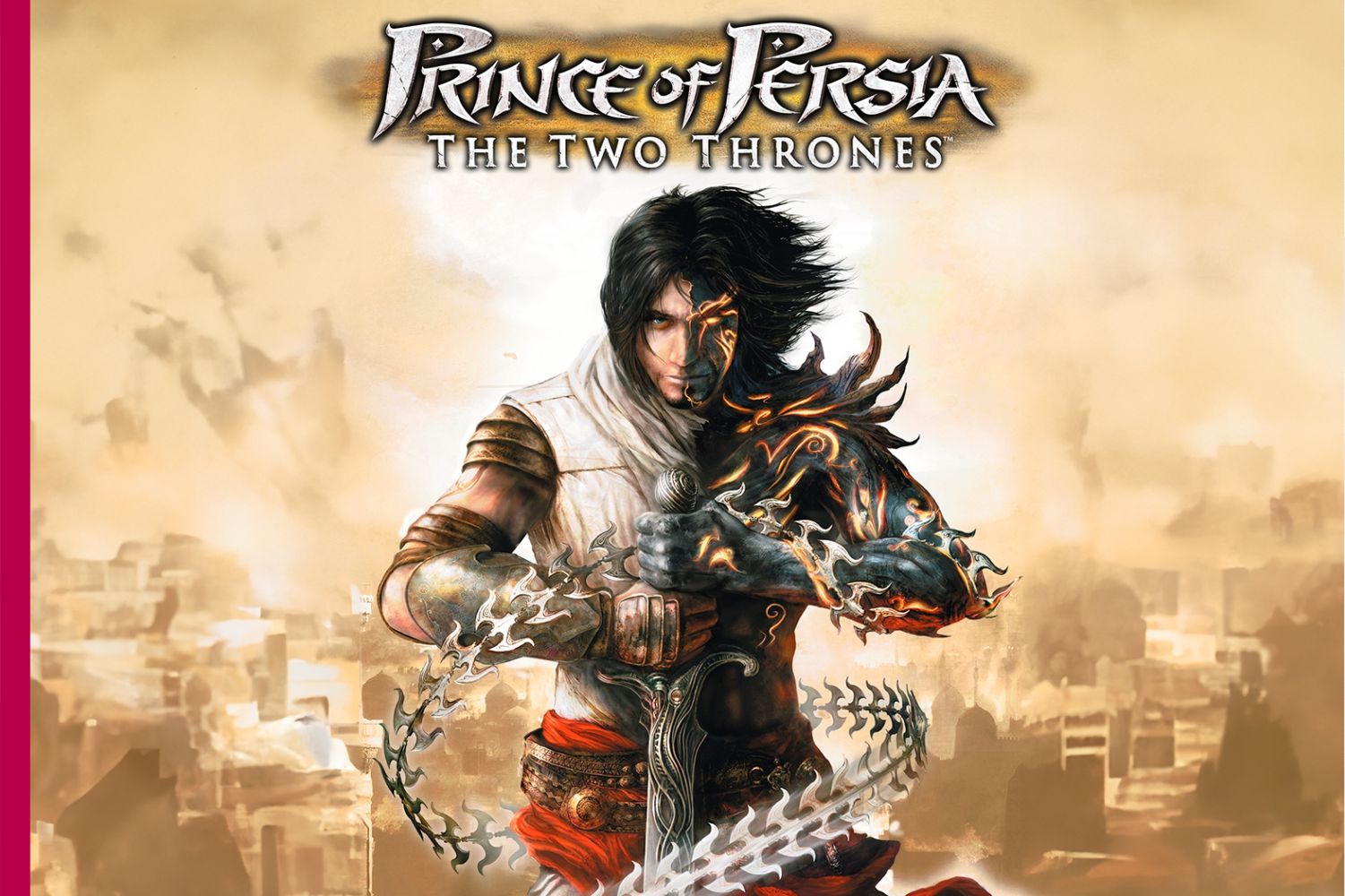
Following The Sands of Time, Ubisoft released sequels such as Warrior Within and The Two Thrones, which explored darker themes and deeper character development. These titles expanded combat systems and narrative complexity, showing the Prince’s internal struggle between destiny and free will. While the tonal shift divided some fans, it demonstrated the franchise’s willingness to experiment and mature alongside its audience.
Beyond gameplay, Prince of Persia has had a lasting cultural impact. It inspired parkour-style movement in modern games and influenced franchises like Assassin’s Creed, which originally began as a spin-off concept. The series also crossed into other media, including novels and the 2010 Hollywood film Prince of Persia: The Sands of Time, bringing its mythic world to a broader audience.
In recent years, renewed interest in the franchise has been driven by remakes and reimaginings, introducing the Prince to a new generation of players while reigniting nostalgia among long-time fans. The core appeal remains unchanged: a heroic journey set against mystical landscapes, where agility, intelligence, and courage determine survival.
Prince of Persia is more than just a game series—it is a landmark in interactive storytelling and game design. Its legacy continues to shape the action-adventure genre, proving that great stories, when paired with innovative gameplay, can transcend time, much like the sands the Prince himself so often seeks to control.