







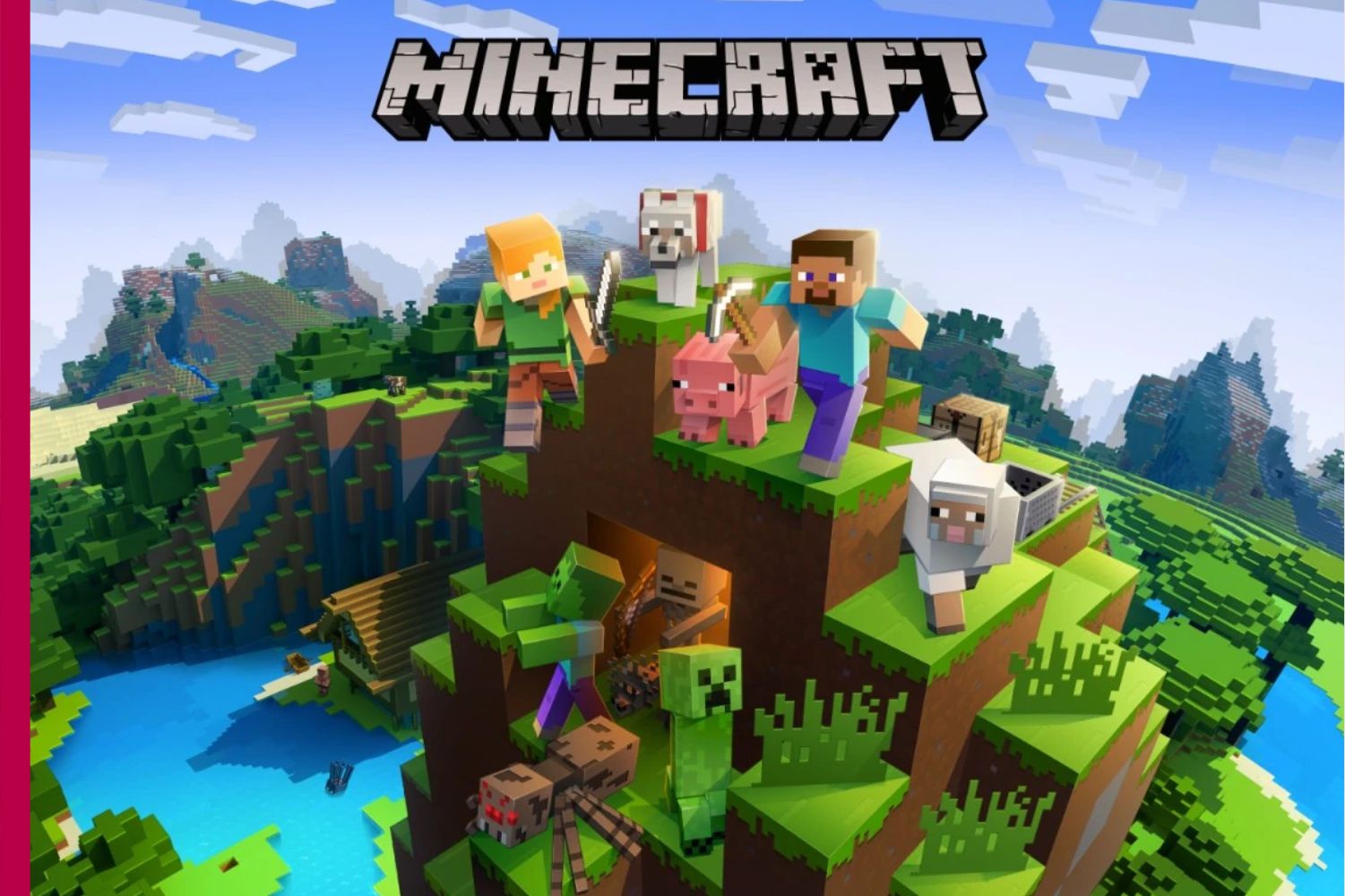
Minecraft is more than just a video game it is a global creative phenomenon that has reshaped how players think about play, learning, and digital creativity. Released in 2011 by Mojang Studios, Minecraft quickly captured the hearts of millions with its simple block-based graphics and limitless possibilities. What began as an indie project has grown into one of the best-selling games of all time, influencing gaming culture, education, and even architecture.
At its core, Minecraft is a sandbox game, meaning players are free to explore, build, and create at their own pace. The game drops players into a procedurally generated world made entirely of blocks representing materials like dirt, stone, wood, water, and precious ores. From the very first moment, players can choose how they want to experience the game whether that means surviving against monsters, constructing massive cities, or simply wandering through forests, deserts, oceans, and caves.
One of Minecraft’s most popular modes is Survival Mode, where players gather resources, craft tools, build shelters, and defend themselves against hostile creatures such as zombies, skeletons, and the iconic Creeper. Survival mode encourages strategic thinking and problem-solving, as players must manage hunger, health, and time. In contrast, Creative Mode removes all limitations, giving players unlimited resources and the ability to fly. This mode has turned Minecraft into a digital canvas where imagination knows no bounds, enabling players to recreate real-world landmarks, design futuristic cities, or invent entirely new worlds.

What truly sets Minecraft apart is its powerful crafting and building system. Using simple recipes, players can transform raw materials into tools, weapons, machines, and decorative blocks. Advanced players even use Redstone, an in-game material that functions like electrical wiring, to create complex contraptions such as automated farms, calculators, and mini-games. This depth has made Minecraft appealing to both casual players and hardcore engineers alike.
Beyond entertainment, Minecraft has found a strong place in education. Schools around the world use Minecraft: Education Edition to teach subjects like mathematics, history, computer science, and teamwork. By turning lessons into interactive experiences, the game helps students learn through experimentation and creativity, making education more engaging and memorable.
Minecraft’s community is another major reason for its lasting success. Millions of players share mods, maps, skins, and tutorials online, constantly expanding the game’s possibilities. Content creators on platforms like YouTube and Twitch have built entire careers around Minecraft, introducing new audiences to the game and keeping it culturally relevant year after year.
In a world of ever-changing gaming trends, Minecraft stands as a timeless classic. Its simplicity, freedom, and creativity make it a game for all ages. Whether you are a builder, explorer, survivor, or dreamer, Minecraft offers a universe where your ideas can truly come to life one block at a time.