




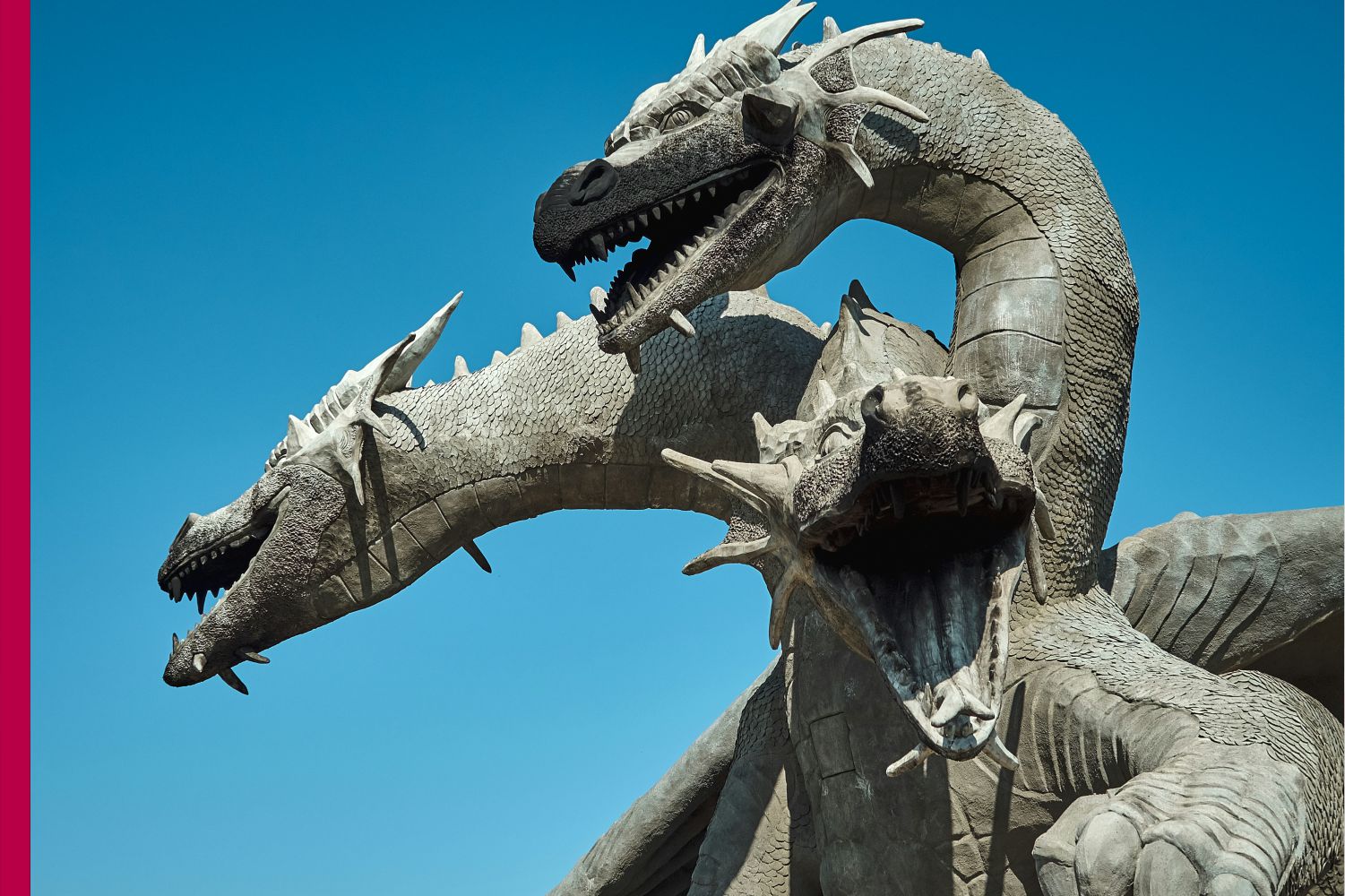
Dragons are among the most powerful and enduring mythical creatures in human history. Found in legends, folklore, and art across cultures, dragons have captured the imagination of people for thousands of years. These majestic beings are often depicted as large, winged reptiles capable of breathing fire, guarding treasures, or possessing ancient wisdom. Whether feared or revered, dragons symbolize mystery, strength, and the boundless creativity of the human mind.
In Western mythology, dragons are commonly portrayed as fierce and destructive creatures. They often appear as villains in stories, terrorizing villages, hoarding gold, and challenging brave heroes. Medieval European legends describe dragons as embodiments of chaos and danger, representing obstacles that must be overcome. Knights slaying dragons became powerful symbols of courage, morality, and the triumph of good over evil. These dragons are usually shown with massive wings, sharp claws, and fiery breath, emphasizing their fearsome nature.
In contrast, Eastern cultures view dragons very differently. In Chinese, Japanese, and other Asian mythologies, dragons are seen as wise, benevolent, and powerful beings associated with nature and harmony. Rather than breathing fire, Eastern dragons are often linked to water, rain, rivers, and the sky. They are considered symbols of prosperity, strength, and good fortune. In Chinese culture, dragons are deeply respected and are associated with emperors and divine authority. Their long, serpentine bodies and graceful movements reflect balance and spiritual energy.
Dragons also play a significant role in literature and modern storytelling. From ancient myths to contemporary fantasy novels and films, dragons continue to evolve while retaining their mythical essence. Stories like “Beowulf,” “The Hobbit,” and “Game of Thrones” have reintroduced dragons to new generations, portraying them as intelligent, complex creatures with unique personalities. In some narratives, dragons are not merely enemies but allies or misunderstood beings, adding depth to their legendary image.

Beyond storytelling, dragons hold strong symbolic meaning. They often represent power, protection, wisdom, and transformation. Fire-breathing dragons symbolize destruction and rebirth, reflecting cycles of change. Winged dragons embody freedom and dominance over the skies, while treasure-guarding dragons represent greed, temptation, or hidden knowledge. These symbolic interpretations allow dragons to remain relevant across different eras and belief systems.
Dragons also influence art, architecture, and popular culture. They appear in sculptures, tattoos, flags, and festivals around the world. Dragon dances during Chinese New Year celebrations are vibrant expressions of cultural pride and tradition. In modern times, dragons have become iconic figures in gaming, animation, and digital art, blending ancient mythology with contemporary creativity.
Despite being mythical creatures, dragons continue to feel alive in human imagination. They represent our fascination with the unknown and our desire to create beings that transcend reality. Dragons allow us to explore themes of fear, strength, wisdom, and adventure in ways few other mythical creatures can. In essence, dragons are more than legends they are timeless symbols of imagination and cultural expression. Their stories evolve with each generation, proving that the magic of dragons will continue to soar through human creativity for years to come.