




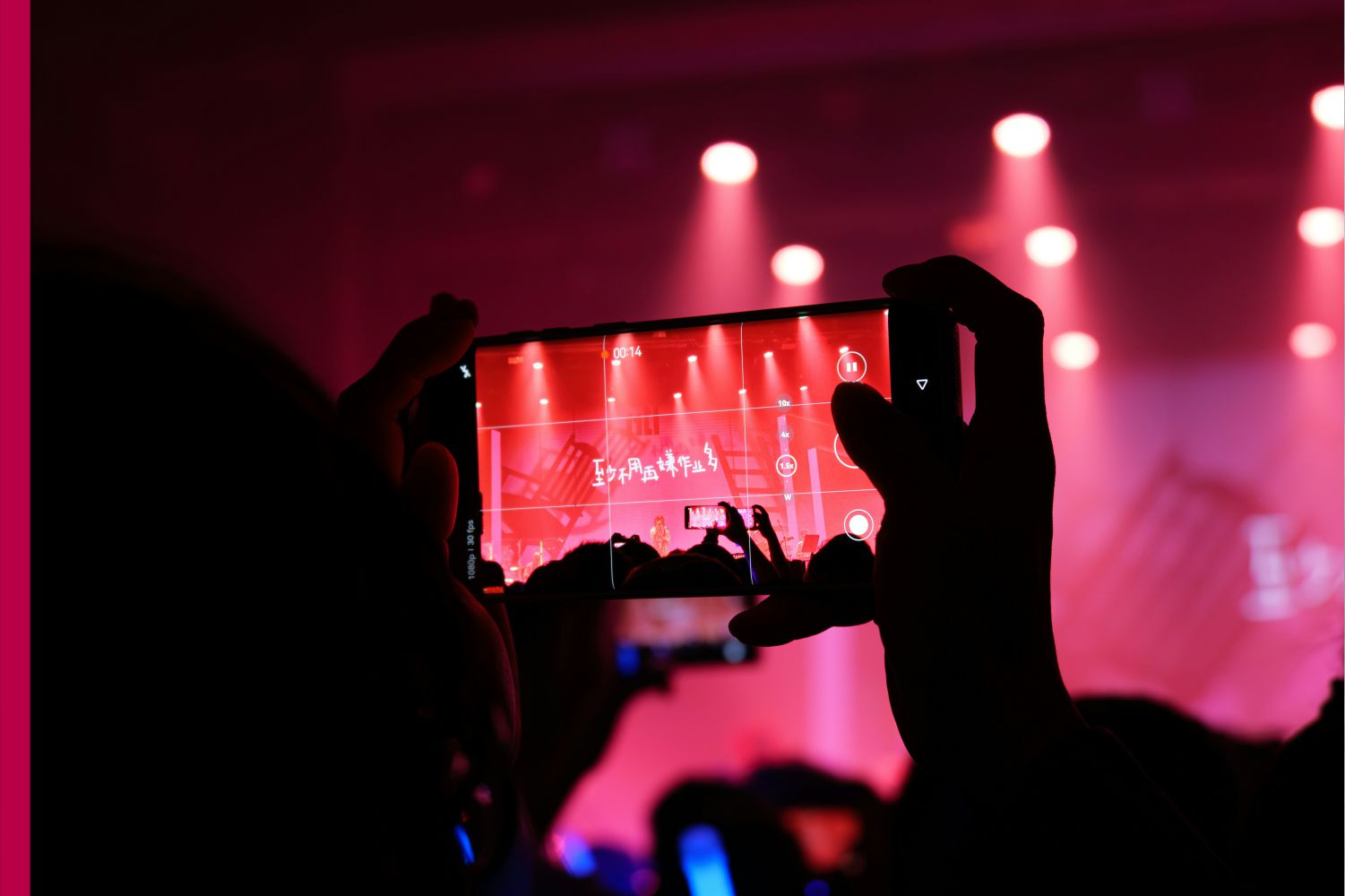
The digital entertainment industry has undergone rapid transformation over the past decade, driven by technological innovation, changing consumer behavior, and widespread internet access. From streaming platforms and online gaming to virtual experiences and social media content, digital entertainment has become an integral part of everyday life. As audiences demand more immersive, personalized, and on-demand experiences, several key trends are shaping the future of this dynamic industry.
One of the most influential trends is the continued growth of streaming services. Video and music streaming platforms have shifted entertainment consumption away from traditional television and physical media. Consumers now prefer flexible, on-demand access to movies, series, podcasts, and live events across multiple devices. Subscription-based models, ad-supported content, and exclusive original productions are intensifying competition while expanding viewer choice and content diversity.
Online and mobile gaming is another major force driving the digital entertainment landscape. Gaming has evolved from a niche hobby into a mainstream global industry, fueled by smartphones, high-speed internet, and cloud gaming technologies. Multiplayer games, esports tournaments, and live-streaming platforms have created interactive communities where players are also viewers and creators. The rise of casual and social gaming has further broadened the audience, attracting users of all ages.
Immersive technologies such as virtual reality and augmented reality are redefining how people experience entertainment. VR allows users to step into fully digital worlds for gaming, concerts, and storytelling, while AR enhances real-world environments with digital overlays. These technologies are increasingly used in gaming, live events, museums, and brand experiences, offering deeper engagement and new forms of interactive entertainment.
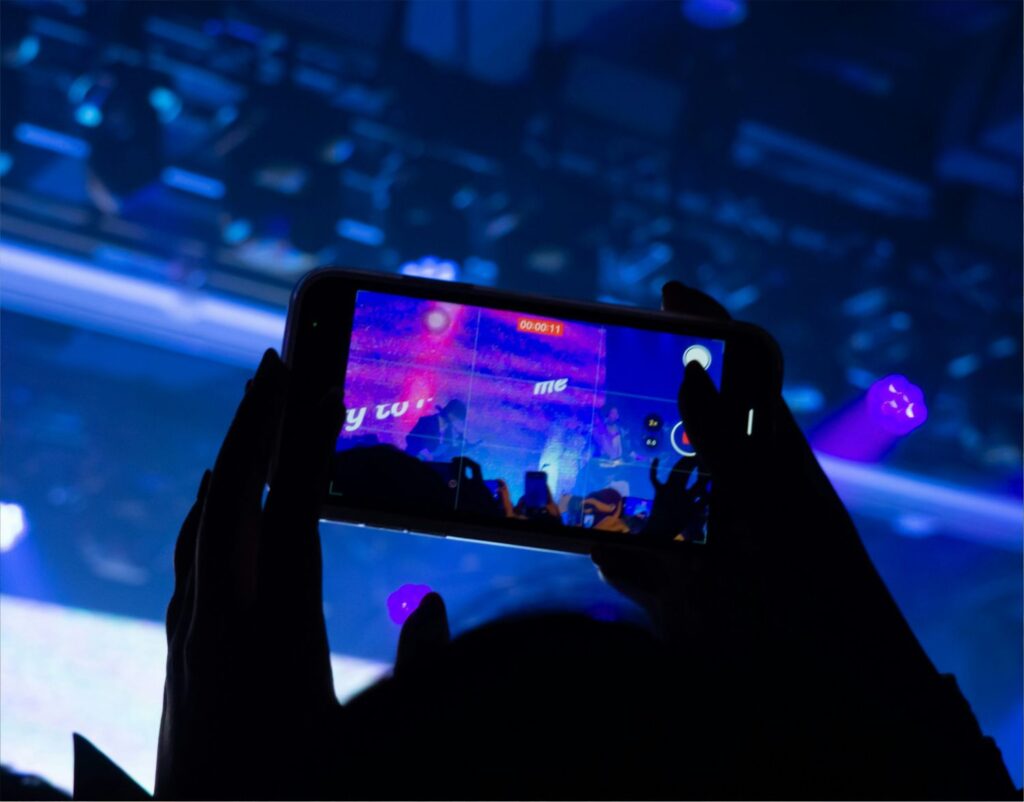
Personalization powered by artificial intelligence is another growing trend. AI algorithms analyze user preferences, viewing habits, and interactions to recommend tailored content. This personalized approach enhances user satisfaction, increases platform engagement, and helps creators reach the right audiences. AI is also being used in content creation, from music composition and video editing to visual effects and animation.
Social media and user-generated content continue to play a crucial role in digital entertainment. Short-form videos, live streams, and influencer-driven content have reshaped how entertainment is created and consumed. Platforms encourage direct interaction between creators and audiences, making entertainment more participatory and community-focused. This shift has opened new monetization opportunities through brand collaborations, subscriptions, and virtual gifts.
Finally, digital entertainment is becoming more global and inclusive. Content is now produced and distributed for international audiences, with multilingual options and culturally diverse storytelling. This global reach allows creators to expand beyond local markets while giving audiences access to a wide range of voices and perspectives.
In conclusion, the digital entertainment industry is evolving at an unprecedented pace. Advancements in technology, changing consumer expectations, and creative innovation are driving new trends that make entertainment more interactive, personalized, and accessible. As these trends continue to develop, digital entertainment will remain a powerful force shaping how people connect, relax, and experience the world.