




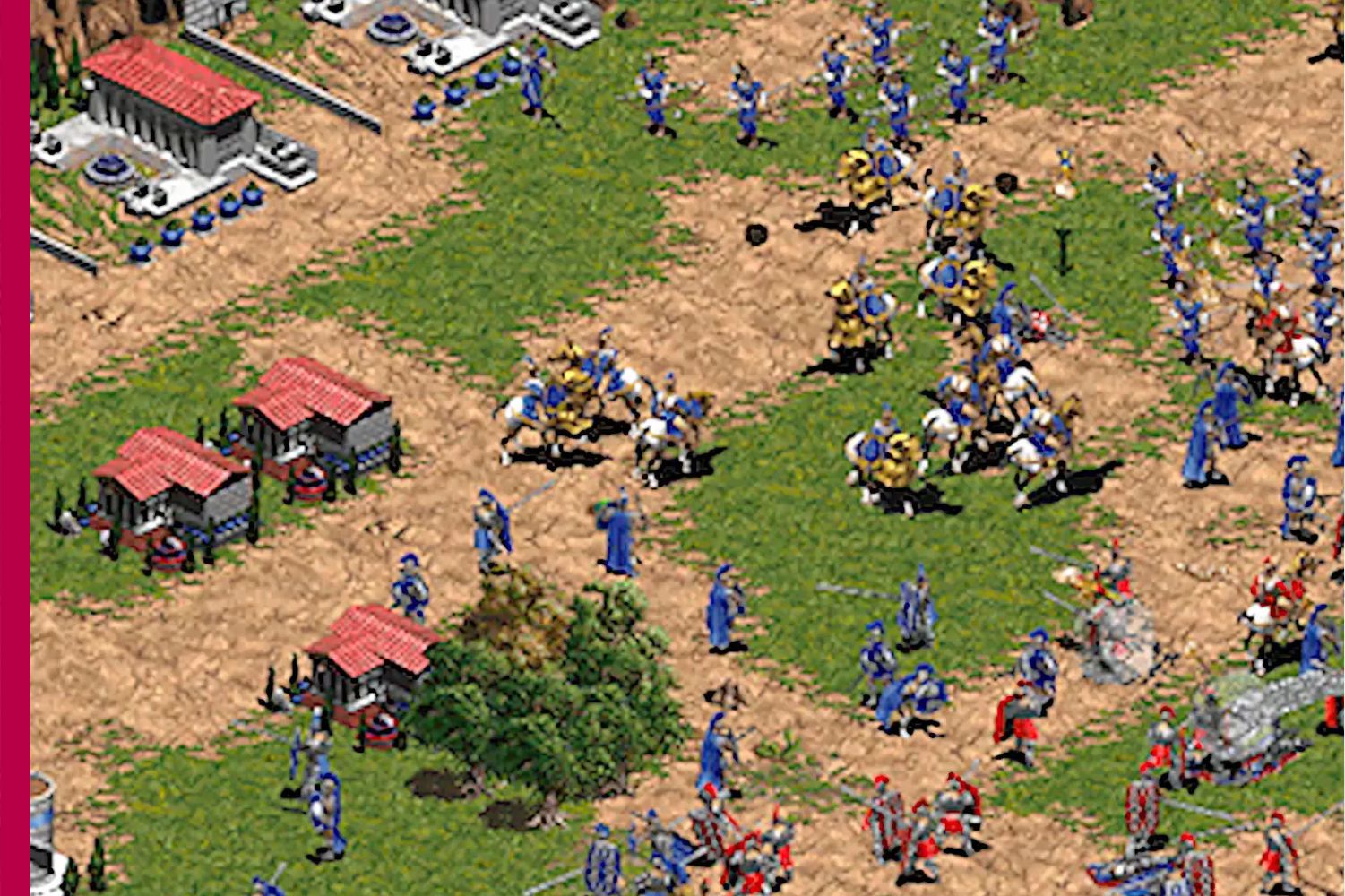
Age of Empires is one of the most iconic real-time strategy (RTS) game franchises in gaming history. Since its debut in 1997, the series has captured the imagination of players worldwide by blending historical storytelling with strategic gameplay. Developed originally by Ensemble Studios, Age of Empires allows players to build civilizations, manage resources, and lead armies across different eras of human history, making it both entertaining and educational.
At the heart of Age of Empires is its unique progression system. Players begin in an early age such as the Stone Age or Dark Age and gradually advance through more developed eras by collecting resources like food, wood, gold, and stone. This progression reflects real historical development and adds depth to gameplay, as each new age unlocks advanced technologies, buildings, and military units. Strategic planning is essential, as players must balance economic growth with defense and expansion.
One of the franchise’s greatest strengths is its historical diversity. Age of Empires introduces players to a wide range of civilizations, including the Egyptians, Greeks, Romans, Vikings, Mongols, and many others. Each civilization comes with unique strengths, units, and architectural styles, encouraging players to adapt their strategies. This variety not only enhances replay value but also sparks curiosity about world history and ancient cultures.

Age of Empires II, released in 1999, is widely regarded as the most beloved title in the series. Its refined mechanics, engaging campaigns, and strong multiplayer community helped it stand the test of time. Even decades later, the game remains popular through remastered editions like Age of Empires II: Definitive Edition, which offers improved graphics, enhanced AI, and online features while preserving the classic gameplay fans love.
Multiplayer gameplay has played a crucial role in the success of Age of Empires. Competitive matches require quick decision-making, efficient resource management, and tactical combat skills. Professional tournaments and online communities have grown around the game, turning it into an esport-like experience for strategy enthusiasts. At the same time, casual players can enjoy single-player campaigns that tell compelling stories of legendary leaders and epic battles.
Beyond entertainment, Age of Empires has had a cultural impact. It introduced many players to historical concepts such as empire-building, trade, warfare, and diplomacy. Teachers and parents have often praised the game for encouraging critical thinking, planning, and historical interest. Its iconic soundtrack, memorable voice lines, and classic sound effects have become nostalgic elements for millions of gamers.
In conclusion, Age of Empires is more than just a game—it is a legacy. By combining strategy, history, and immersive gameplay, it has influenced generations of players and set a benchmark for the RTS genre. Whether you are a longtime fan or a newcomer, Age of Empires continues to offer a rich and rewarding experience, proving that great strategy games never truly age.