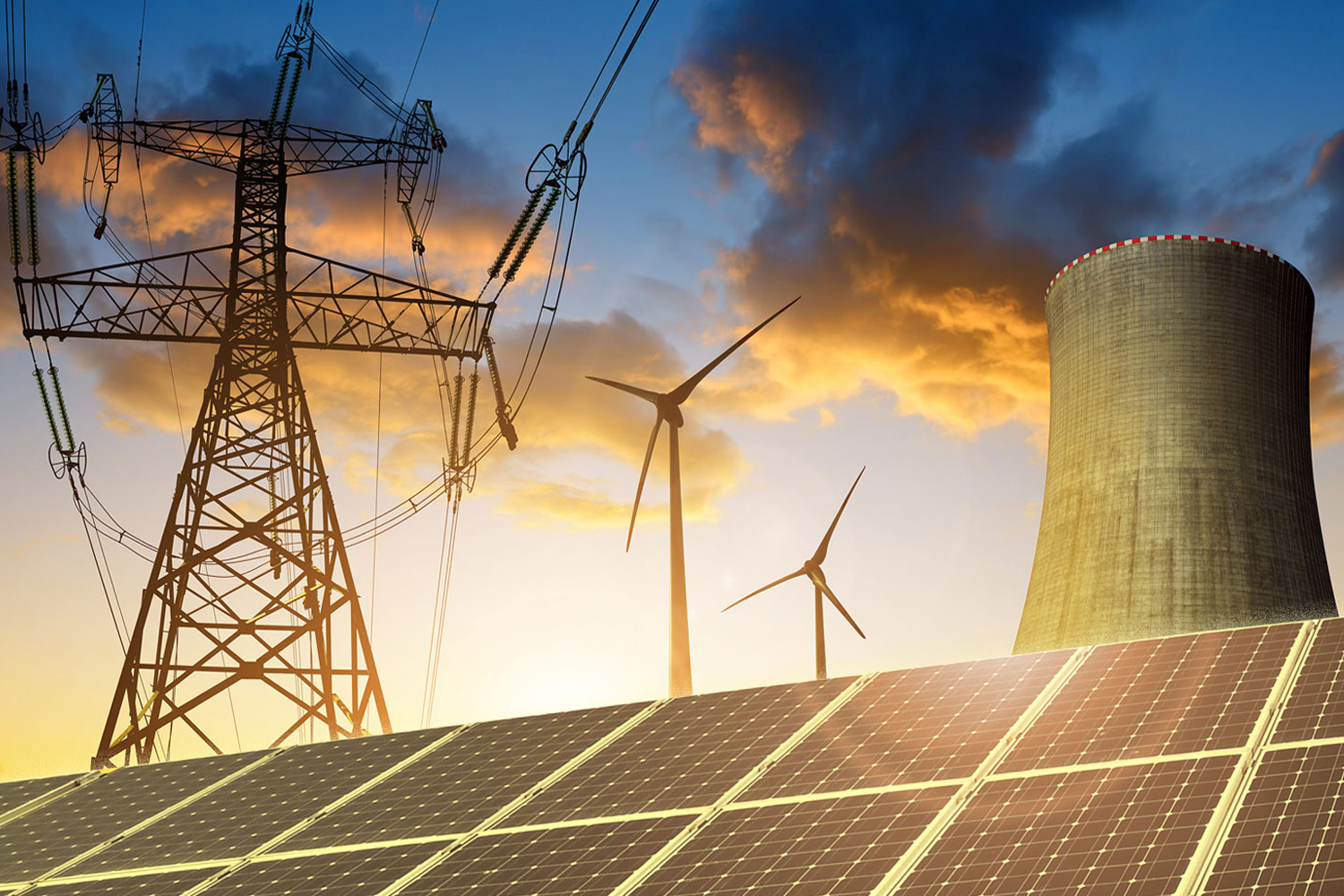





Wind energy is one of the most promising and environmentally friendly sources of renewable power available today. As the world shifts towards cleaner energy alternatives, wind has emerged as a key player in reducing carbon emissions and combating climate change. This natural resource has been used for centuries, from powering ancient sailboats to grinding grain in old windmills. Today, modern technology has transformed wind into a powerful source of electricity, capable of supplying energy to millions of homes and industries.
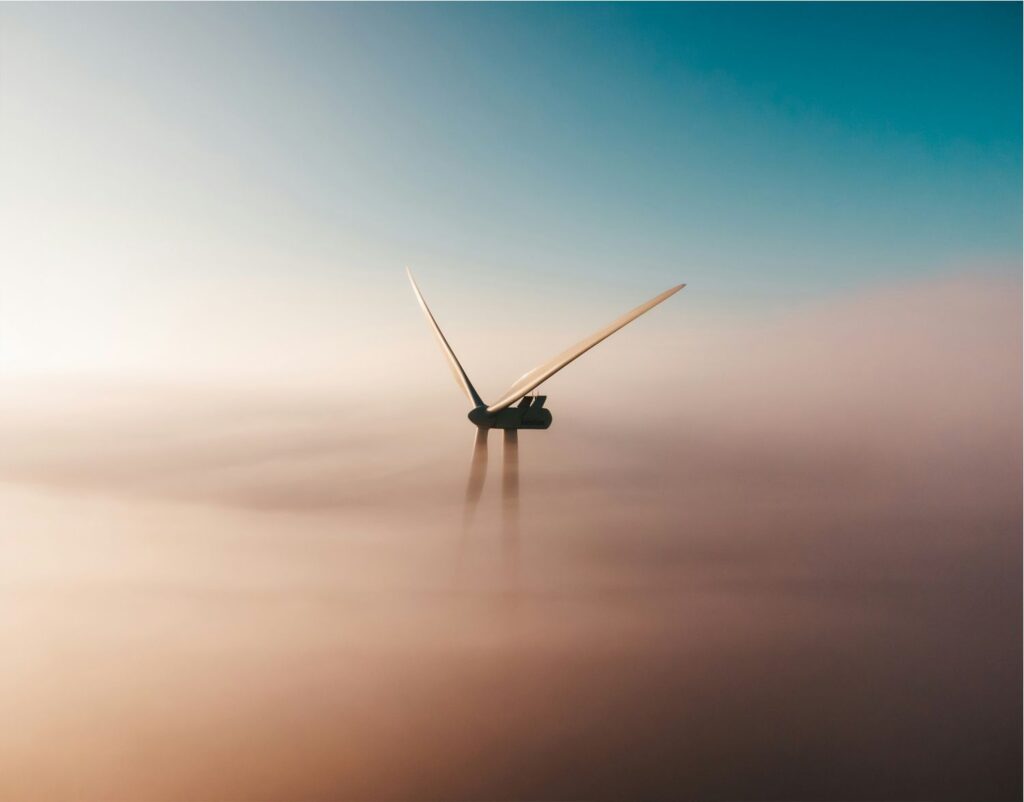
At its core, wind energy is generated by converting the movement of air into electrical power. When wind blows, it turns the blades of a wind turbine. These spinning blades drive a generator inside the turbine, producing electricity. The stronger and more consistent the wind, the more efficient the energy production. This simplicity, combined with highly advanced engineering, makes wind energy both accessible and scalable across different regions of the world.
One of the greatest advantages of wind energy is that it is clean and renewable. Unlike fossil fuels, wind does not produce harmful greenhouse gases or pollutants. It is naturally replenished and will never run out as long as the Earth’s atmosphere continues to function. This makes wind energy an essential part of global sustainability goals. Countries around the world are investing heavily in wind farms, both on land and offshore, to reduce reliance on coal, oil, and natural gas.
Wind energy offers economic benefits as well. It creates jobs in manufacturing, installation, maintenance, and engineering. Local communities often receive investments and infrastructure improvements when wind farms are established. Additionally, wind power can stabilize energy prices because it does not rely on fuel costs, which tend to fluctuate. Once a wind turbine is installed, the operational expenses are relatively low, making it a cost-effective energy source in the long run.
However, wind energy is not without challenges. Turbine installation requires suitable land or water space, and some people feel that wind farms disrupt natural landscapes. Wildlife concerns, particularly for birds and bats, also need careful planning and mitigation. Wind energy production can be intermittent, meaning it depends on weather patterns. This makes energy storage solutions and grid management essential to ensure a steady supply of electricity.
Despite these challenges, the benefits of wind energy far outweigh the drawbacks. As technology continues to improve, wind turbines are becoming more efficient, environmentally friendly, and easier to integrate into existing power systems. With global efforts to slow climate change and reduce carbon emissions, wind energy stands as one of the most powerful tools in the shift toward green energy. Wind energy represents hope a future where clean, sustainable power meets the growing demands of the world. By harnessing the natural force of wind, humanity can move closer to an energy landscape that is not only efficient but also environmentally responsible.