



Energy is the driving force behind everything we do whether it’s turning on a light, powering machines, fueling vehicles, or supporting natural processes that sustain life. In our rapidly advancing world, understanding the various types of energy is essential not only for technological progress but also for making informed choices about sustainability and environmental responsibility. Energy comes in many forms, each with unique characteristics, advantages, and applications. Here’s a closer look at the major types of energy that power our lives.
Mechanical energy is the energy associated with motion and position. It includes two components: kinetic energy (energy of movement) and potential energy (stored energy based on position). Everyday examples include a moving car, a rolling ball, or water stored behind a dam. Mechanical energy plays a crucial role in machines, transportation, and various industrial processes.
Thermal energy, also known as heat energy, results from the movement of particles within a substance. The faster the particles move, the more heat the substance contains. We use thermal energy daily—for cooking, heating homes, and generating electricity in thermal power plants. It also occurs naturally in geothermal sources beneath the Earth’s surface.
Chemical energy is stored in the bonds of chemical compounds and is released during chemical reactions. This type of energy fuels our bodies through the food we eat and powers engines through fossil fuels like petrol, diesel, and natural gas. Batteries also operate using chemical energy, making this form vital in both biological and technological systems.
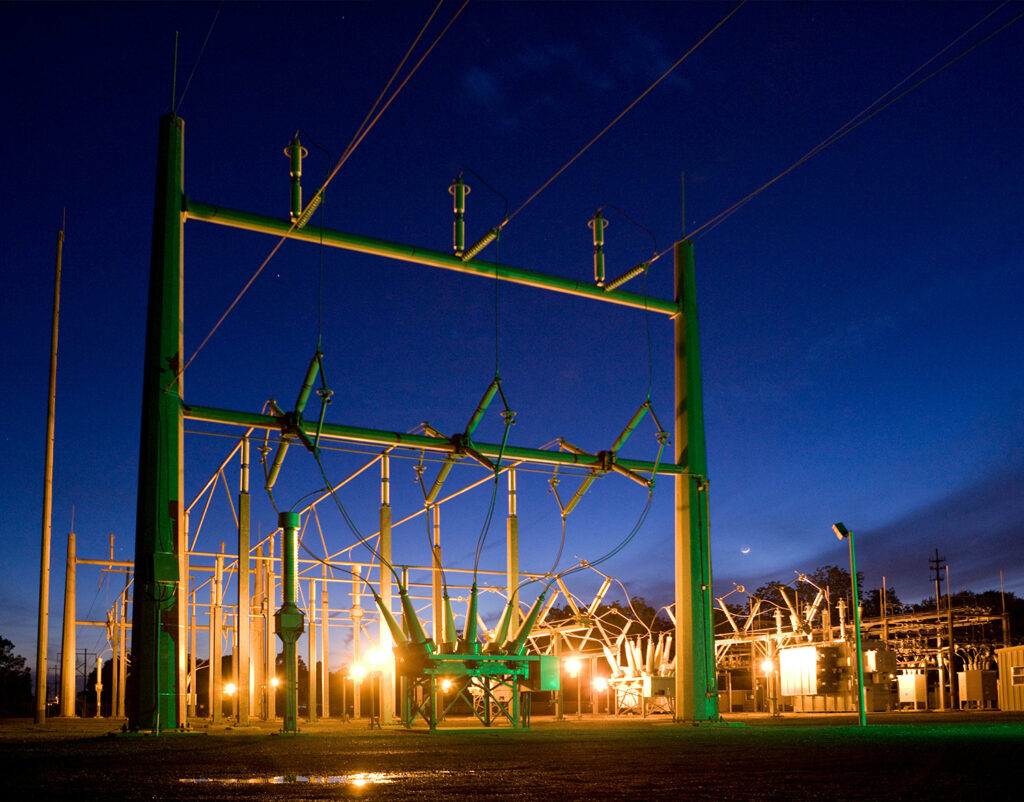
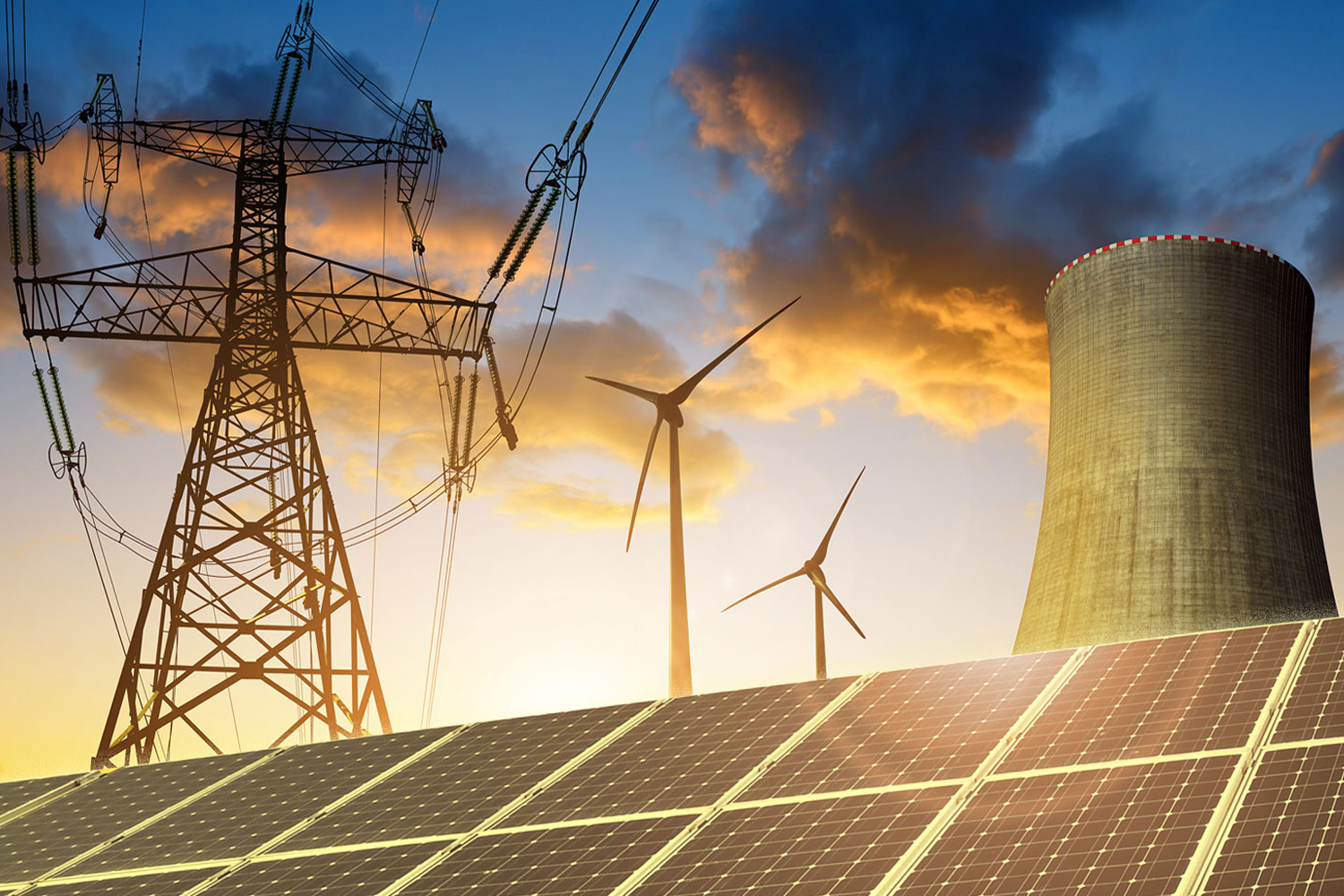
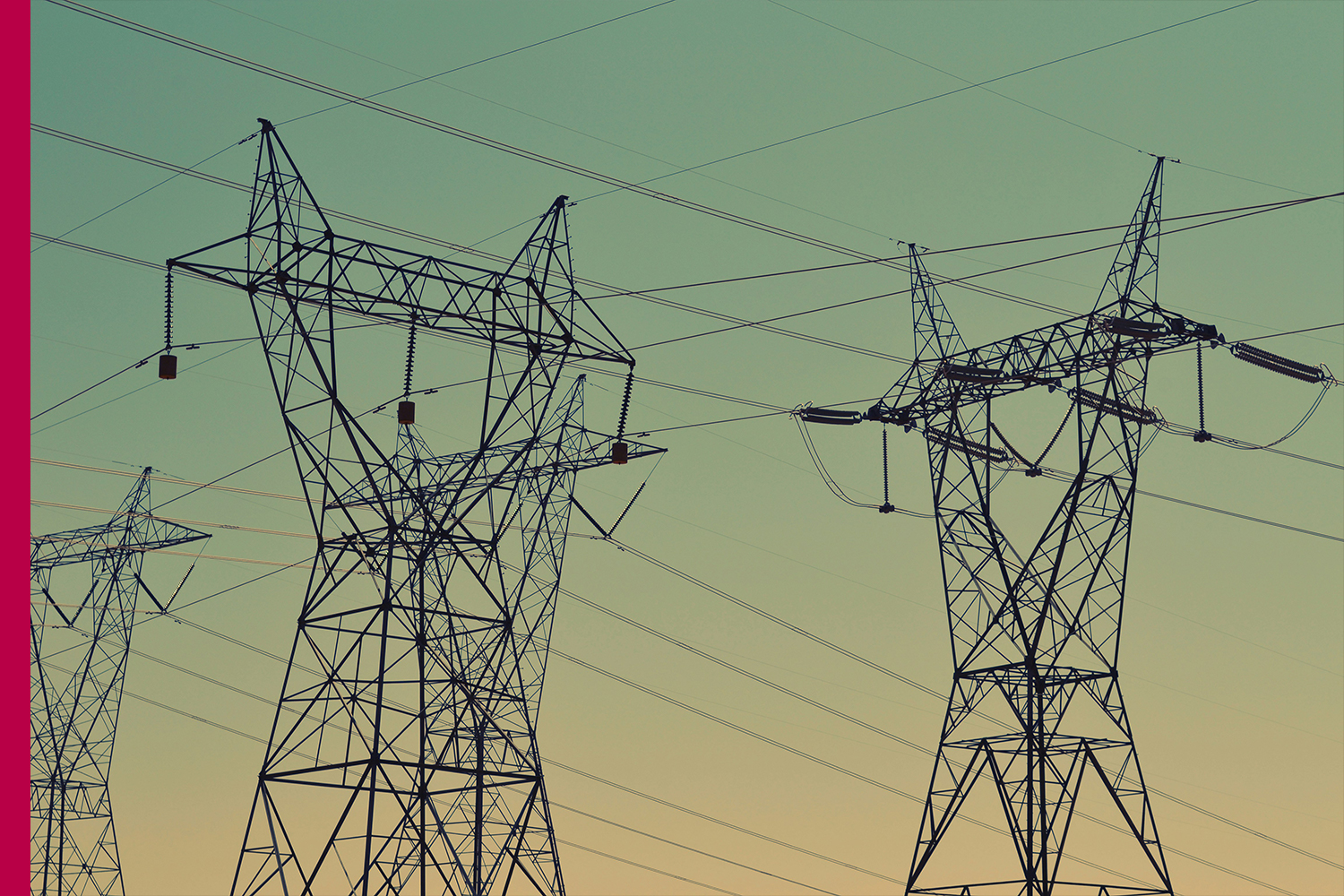
Electrical energy is one of the most widely used forms of energy in modern times. It is produced by the movement of electrons through a conductor. Electricity powers homes, industries, communication systems, and almost all modern technologies. It can be generated from multiple sources, including fossil fuels, solar energy, wind, and hydropower.
Nuclear energy is released from the nucleus of an atom through fission (splitting atoms) or fusion (combining atoms). Nuclear power plants use fission to generate electricity on a large scale. Although controversial, nuclear energy is highly efficient and produces large amounts of power with minimal greenhouse gas emissions.
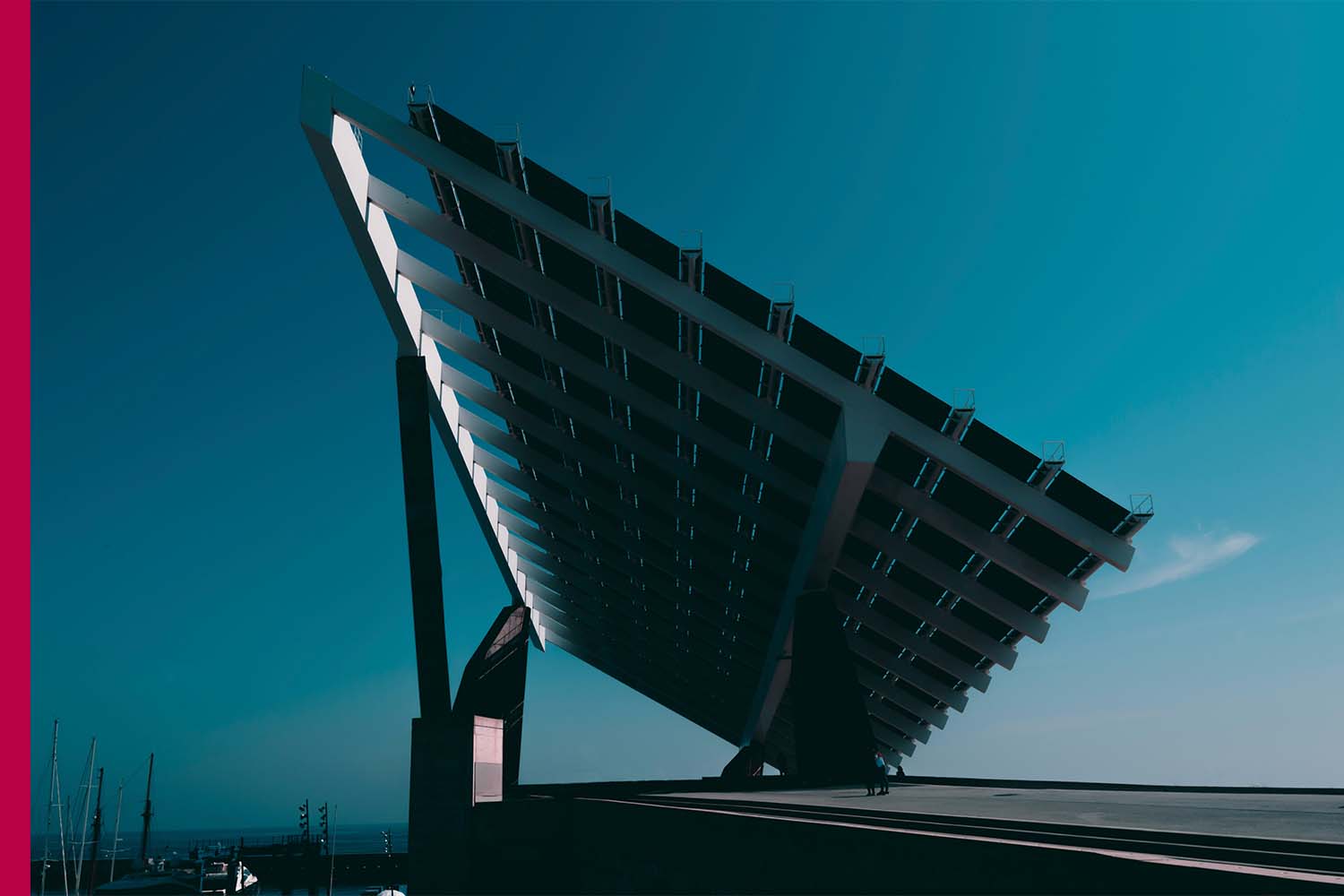
Radiant energy is energy carried by electromagnetic waves, including sunlight. Solar energy is a renewable and eco-friendly source widely used for electricity generation and heating. With the growing emphasis on sustainability, solar power has become one of the fastest-growing energy alternatives around the world.
Wind energy is generated by converting the kinetic energy of moving air into electricity using wind turbines. Hydropower uses flowing or falling water to produce energy. Both are renewable sources that contribute significantly to reducing carbon emissions.
In summary, energy exists in many forms and serves countless functions in our daily lives. As humanity moves toward a more sustainable future, understanding these different types of energy helps us make smarter decisions about consumption and conservation. Whether renewable or non-renewable, every form of energy plays a crucial role in powering our world and shaping our future.