



As the world continues to search for clean, renewable, and reliable sources of power, tidal energy has emerged as a promising solution. By capturing the natural rise and fall of ocean tides, this form of energy generation offers a consistent and predictable alternative to fossil fuels. While solar and wind energy often receive more attention, tidal energy is quietly becoming a key player in the transition toward sustainable power.
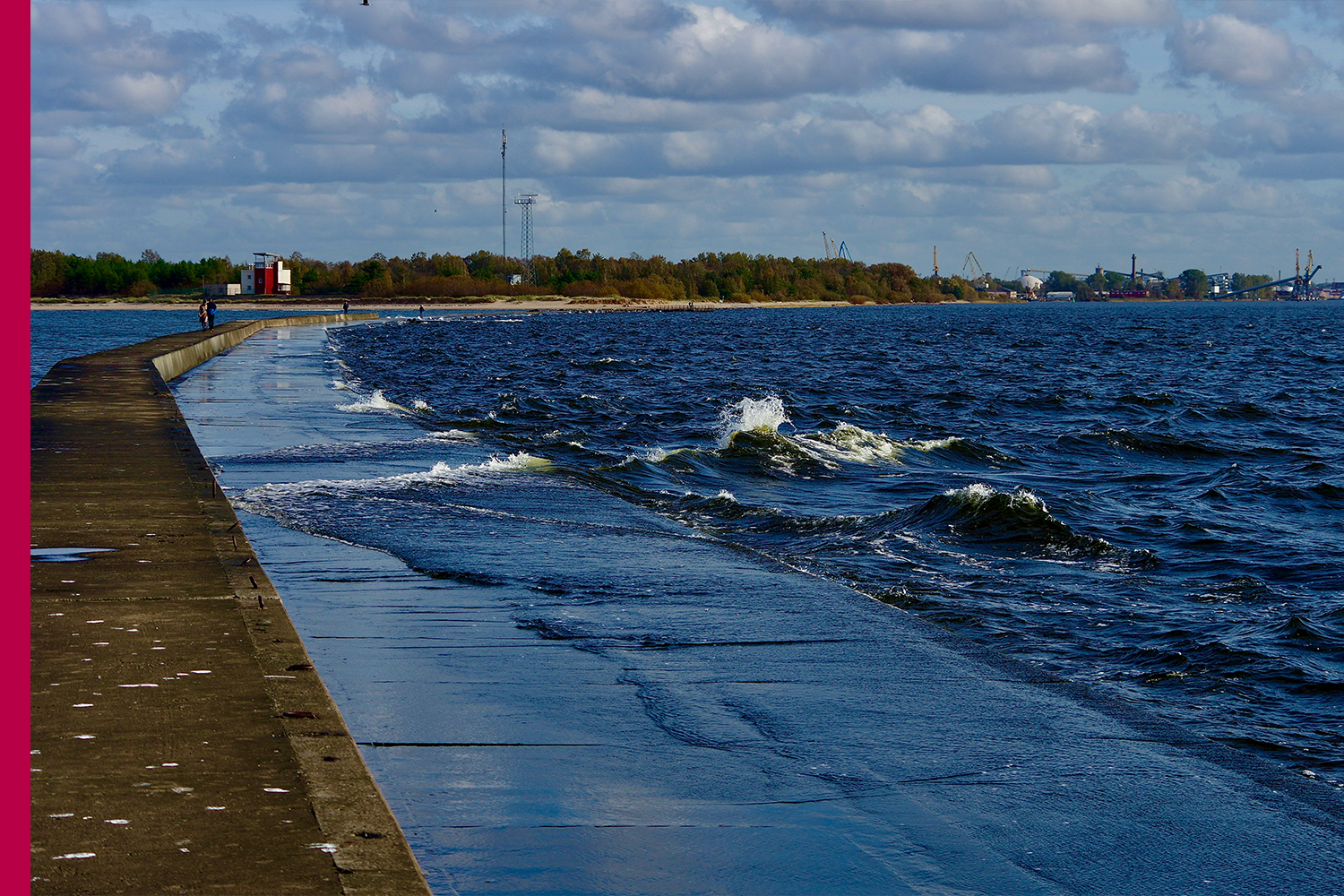
Tidal energy, a type of hydropower, is generated through the movement of ocean tides. Unlike other renewable sources that depend on fluctuating weather conditions, tides follow predictable cycles driven by the gravitational forces of the moon and the sun. This makes tidal energy highly reliable, providing a steady and manageable source of electricity. In a world where energy stability is crucial, this predictability stands out as one of tidal power’s greatest strengths.
There are two main ways to harness tidal energy: tidal stream systems and tidal barrage systems. Tidal stream systems use underwater turbines placed in fast-flowing tidal currents. As water moves through these turbines, electricity is generated in a way similar to wind turbines — but underwater. Tidal barrage systems, on the other hand, use dam-like structures built across tidal basins. When the tide rises and falls, water flows through turbines in the barrage, producing energy. Both methods aim to maximize power generation with minimal environmental impact.

One of the key advantages of tidal energy is its renewable and environmentally friendly nature. Unlike fossil fuels, tidal power does not produce greenhouse gases or air pollutants. By reducing dependence on coal, oil, and natural gas, tidal systems help combat climate change and promote a cleaner environment. Additionally, because tides occur daily, this energy source remains sustainable for future generations.
Tidal energy also has the potential to boost local economies. The construction of tidal power plants creates job opportunities in engineering, manufacturing, maintenance, and research. Coastal communities, especially those with strong tidal currents, can benefit from stable local energy supplies and reduced electricity costs over time. As the technology matures, tidal energy could become a major contributor to global renewable energy markets.
However, tidal energy is not without its challenges. The initial cost of building tidal power infrastructure can be high, especially for large-scale projects. Installing underwater turbines and constructing barrages require specialized engineering and environmental assessments. There are also concerns about the impact on marine ecosystems, as tidal turbines may affect fish and other sea life if not carefully designed. Ongoing research aims to address these concerns through innovative, eco-friendly technologies that reduce disruption to aquatic habitats.
Despite these challenges, advancements in technology are making tidal energy more efficient and affordable. Countries such as the United Kingdom, France, South Korea, and Canada are already investing heavily in tidal power, demonstrating its potential on a global scale. With continued innovation, tidal energy is poised to become a major force in the renewable energy landscape.
In conclusion, tidal energy offers immense promise as a clean, reliable, and sustainable energy source. By harnessing the natural rhythm of the ocean, it provides an environmentally friendly alternative to fossil fuels while supporting economic growth and energy security. As the world seeks long-term solutions to environmental challenges, tidal energy stands as a powerful example of how nature can guide us toward a brighter and more sustainable future.