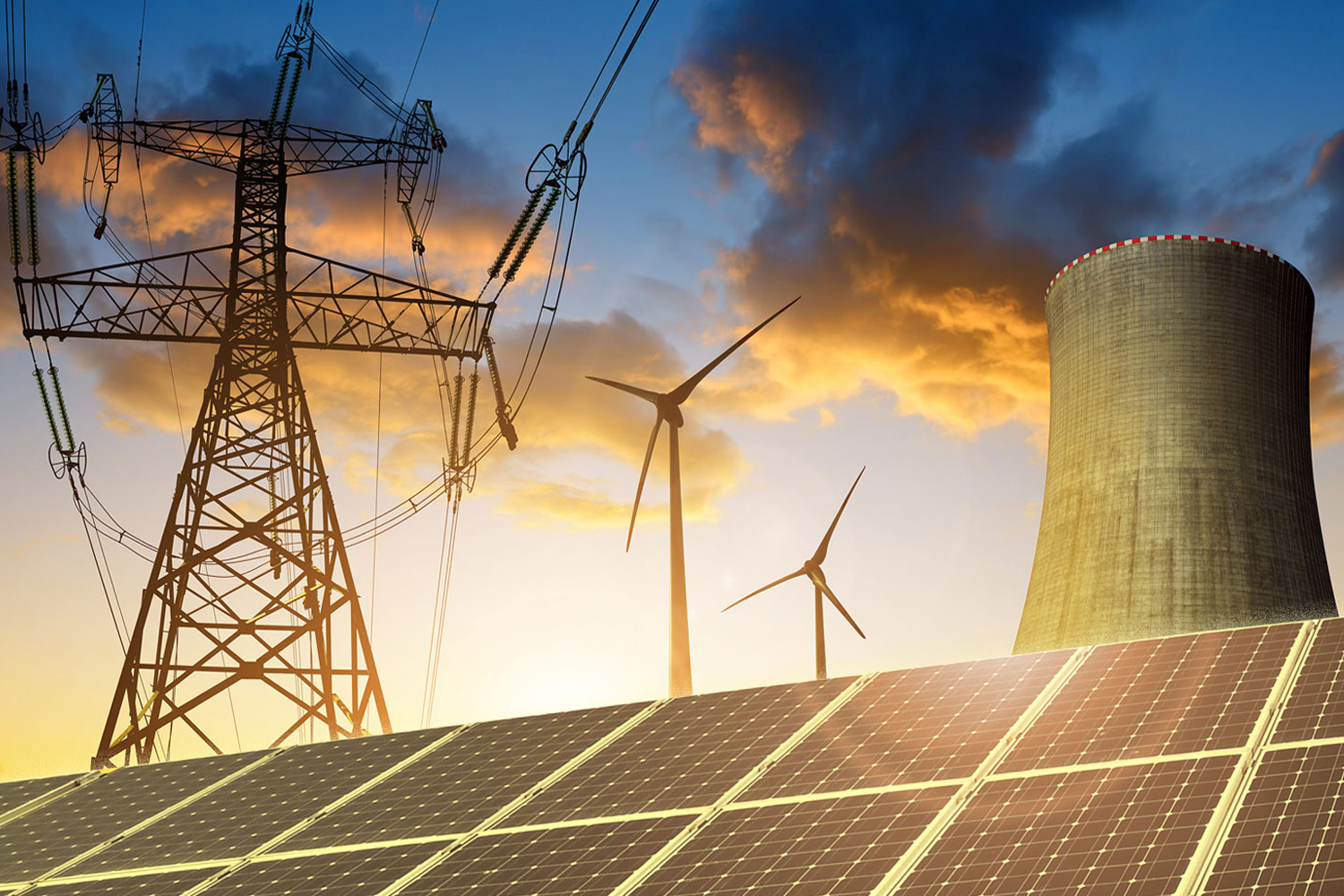


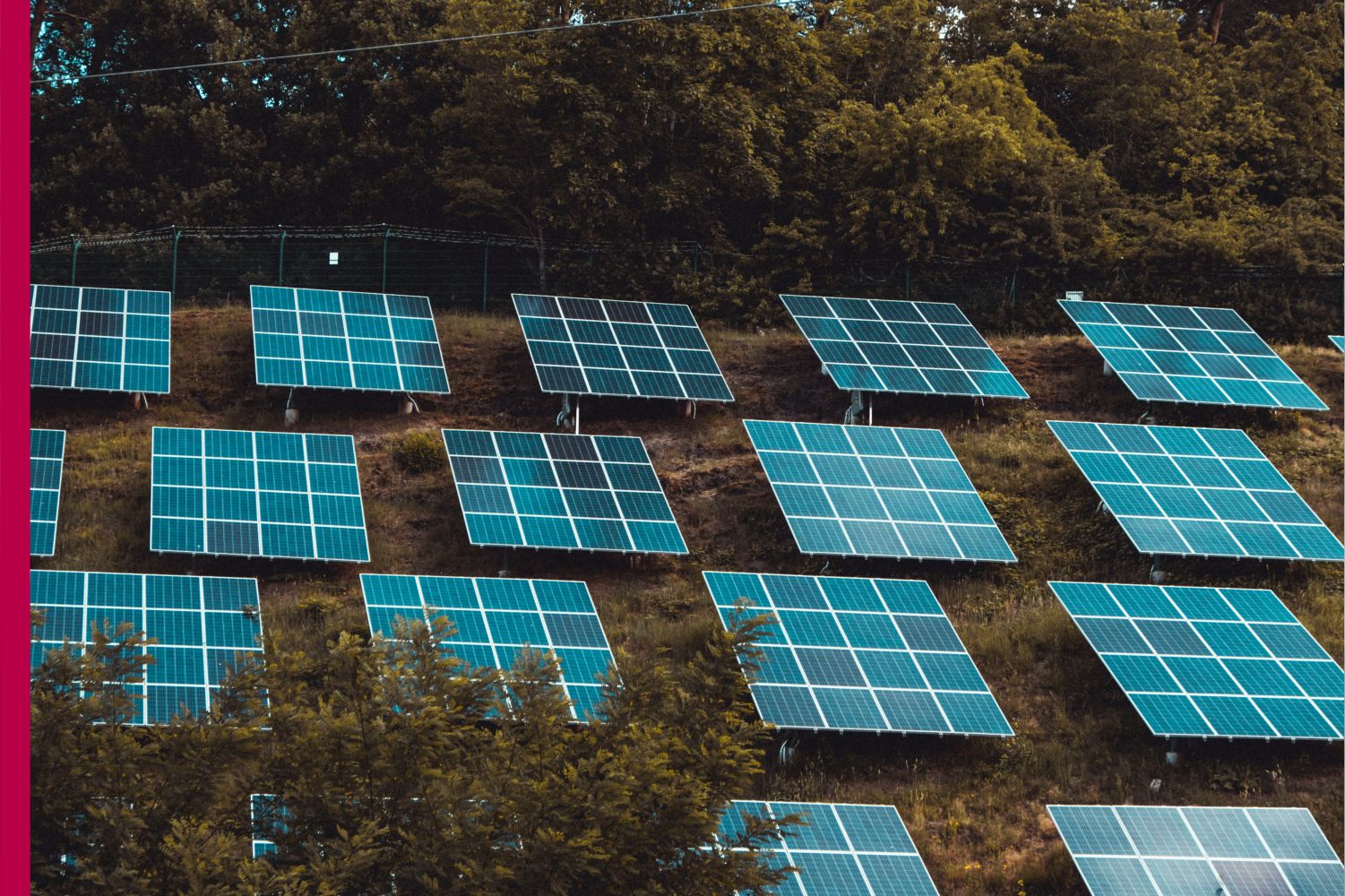

The global energy landscape is undergoing a major transformation, with solar power emerging as one of the fastest-growing renewable energy sources. Driven by environmental concerns, technological advancements, and supportive government policies, solar energy adoption is increasing rapidly across residential, commercial, and industrial sectors. As countries strive to reduce carbon emissions and achieve sustainability goals, solar power is playing a central role in shaping the future of energy.
One of the key trends in solar power adoption is the significant decline in installation costs. Over the past decade, the cost of solar panels and related equipment has dropped substantially, making solar energy more accessible to a wider range of consumers. Advances in manufacturing, economies of scale, and improved efficiency have contributed to this cost reduction. As a result, more households and businesses are investing in solar systems as a cost-effective alternative to conventional energy sources.
Government initiatives and policy support are major drivers of solar adoption. In countries like India, programs promoting rooftop solar installations, subsidies, tax benefits, and net metering policies are encouraging individuals and businesses to switch to solar energy. National missions focused on renewable energy targets are further accelerating the growth of solar infrastructure across urban and rural areas.
Another important trend is the rise of decentralized solar systems. Instead of relying solely on large-scale solar farms, there is increasing adoption of rooftop solar panels and small-scale installations. This decentralized approach allows consumers to generate their own electricity, reduce dependence on the grid, and lower energy bills. It is particularly beneficial in remote or underserved areas where access to traditional power infrastructure is limited.
Energy storage solutions are also transforming solar power adoption. Battery technologies are improving, enabling users to store excess solar energy for use during non-sunny periods or power outages. This enhances the reliability and efficiency of solar systems, making them more attractive for both residential and commercial users. The integration of solar panels with battery storage is becoming a popular trend in modern energy systems.
The corporate sector is playing a significant role in driving solar adoption. Many companies are investing in solar energy to reduce operational costs and meet sustainability commitments. Large organizations are setting renewable energy targets and transitioning to solar power for their operations. Companies like Tesla are also contributing to innovation in solar technology and energy storage solutions.
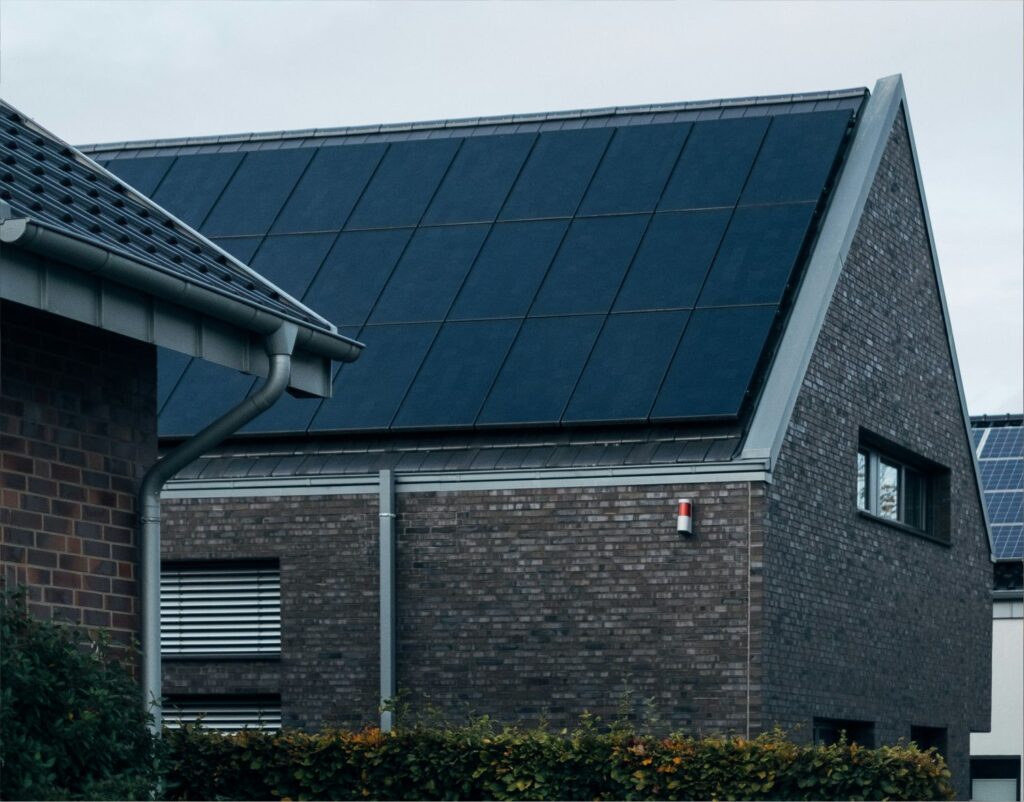
Technological advancements continue to improve the performance and efficiency of solar systems. Innovations such as bifacial solar panels, which capture sunlight from both sides, and smart inverters are enhancing energy output and system reliability. Digital monitoring tools allow users to track energy generation and consumption in real time, optimizing performance and maintenance.
Community solar projects are another emerging trend. These initiatives allow multiple users to share the benefits of a single solar installation, making solar energy accessible to those who cannot install panels on their own properties. This model promotes inclusivity and expands the reach of renewable energy.
Despite its rapid growth, solar power adoption faces challenges such as initial installation costs, land availability for large projects, and regulatory hurdles. Grid integration and energy storage limitations also need to be addressed to ensure a stable and efficient energy supply.
In conclusion, solar power adoption trends reflect a strong global shift toward clean and sustainable energy. With decreasing costs, supportive policies, and continuous technological innovation, solar energy is becoming a viable and attractive option for a wide range of users. As adoption continues to rise, solar power will play a crucial role in reducing carbon emissions and building a more sustainable energy future.