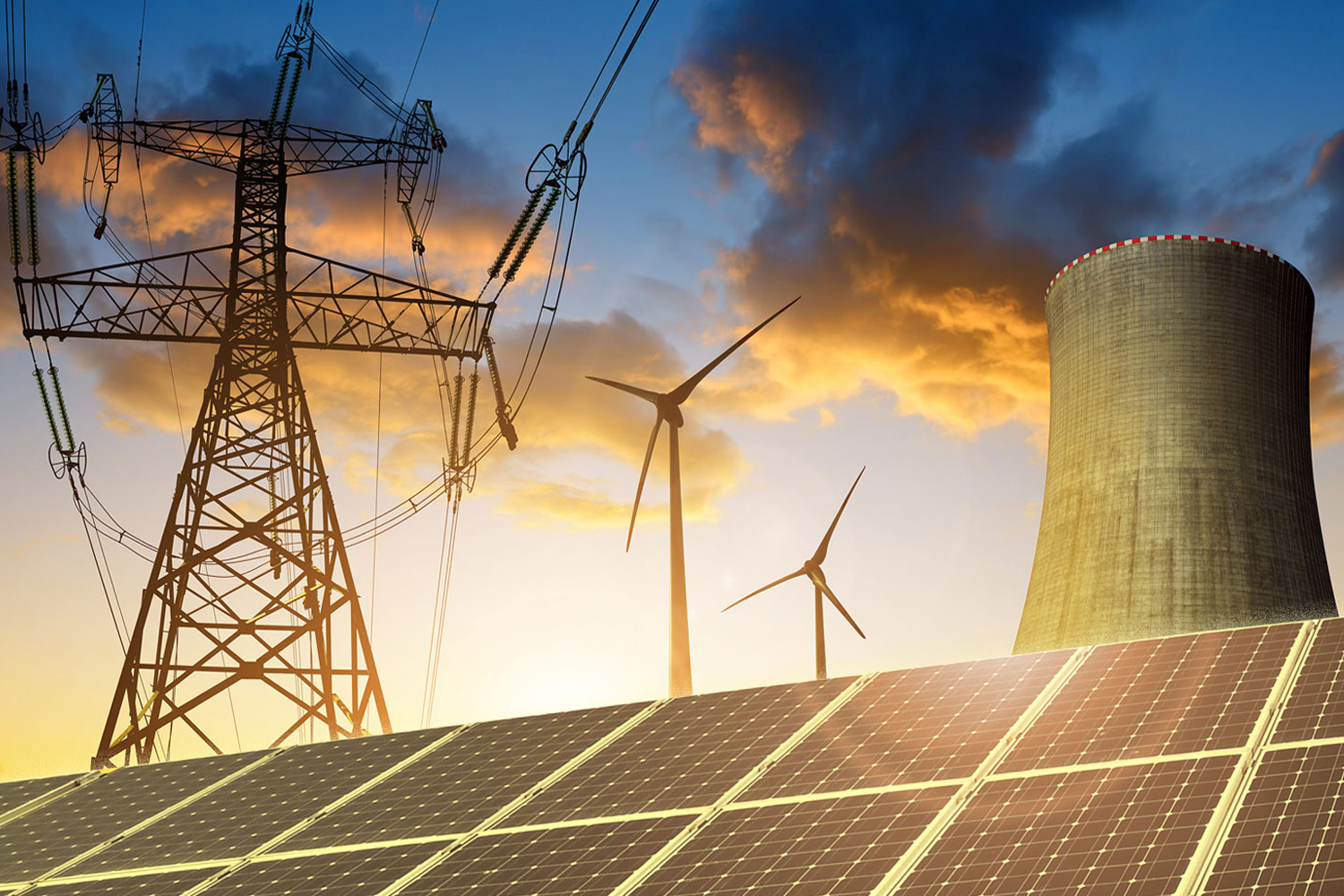


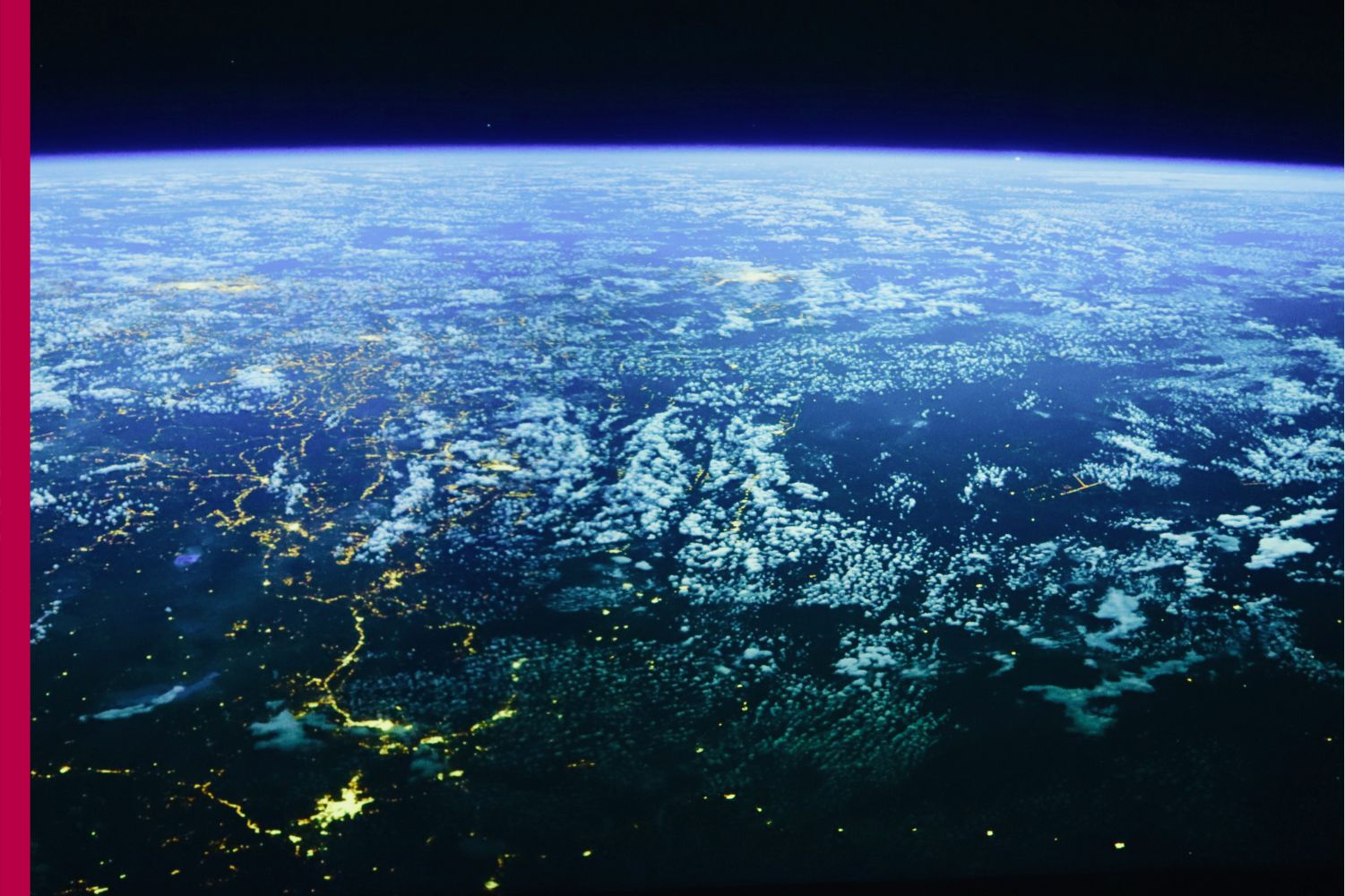

Global energy security has become one of the most critical issues shaping economic stability, geopolitical relations, and sustainable development. Energy security refers to the reliable, affordable, and uninterrupted availability of energy resources to meet a nation’s needs. As global energy demand continues to rise amid population growth, industrialization, and digitalization, countries face complex challenges in ensuring stable energy supplies while transitioning to cleaner and more sustainable systems.
One of the primary challenges to global energy security is dependence on fossil fuels. Many countries rely heavily on imported oil, natural gas, and coal, making them vulnerable to supply disruptions caused by geopolitical conflicts, trade disputes, or natural disasters. Political instability in energy-producing regions can lead to price volatility and shortages, affecting economies worldwide. Energy-importing nations are particularly exposed to these risks, highlighting the strategic importance of diversification.
Geopolitical tensions play a major role in shaping energy security. Energy resources are often concentrated in specific regions, and control over supply routes such as pipelines and shipping lanes can become a source of political leverage. Conflicts, sanctions, and diplomatic breakdowns can disrupt energy flows, forcing countries to seek alternative suppliers at higher costs. These dynamics demonstrate how closely energy security is linked to international relations and global stability.
Another significant challenge is the growing demand for energy, especially in emerging economies. Rapid urbanization, industrial growth, and improved living standards are driving higher energy consumption. Meeting this demand requires massive investments in energy infrastructure, including power generation, transmission, and storage. Without adequate planning, rising demand can strain existing systems and increase the risk of shortages and blackouts.
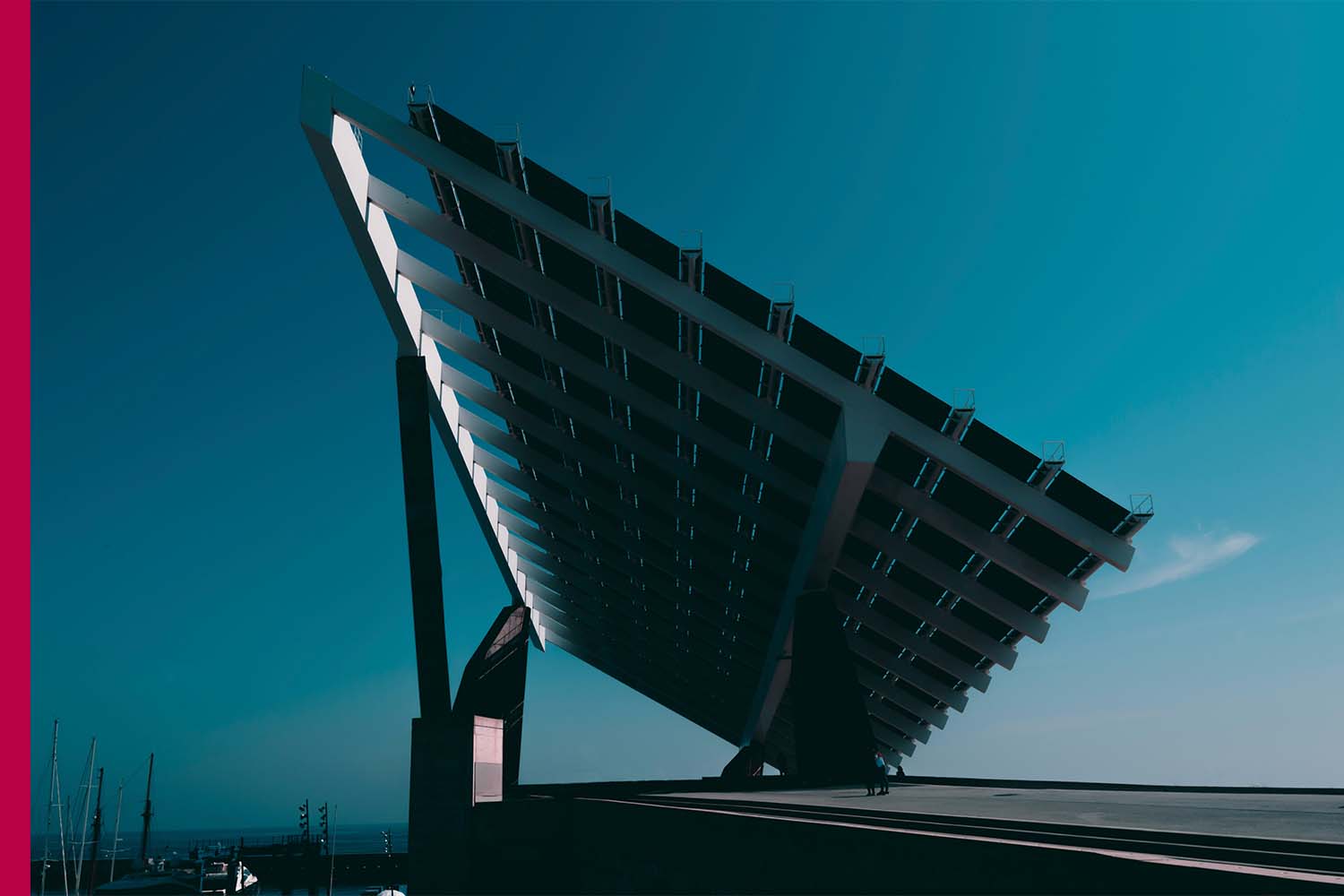
The energy transition toward renewable sources presents both opportunities and challenges for energy security. While renewable energy such as solar and wind reduces dependence on imported fuels and lowers carbon emissions, it also introduces new complexities. Renewable energy generation can be intermittent and weather-dependent, requiring advanced energy storage solutions and smart grids to ensure reliability. Managing this transition effectively is essential to maintaining stable energy supplies.
Climate change and extreme weather events further threaten global energy security. Heatwaves, floods, storms, and droughts can damage energy infrastructure, disrupt fuel supply chains, and reduce power generation capacity. For example, droughts can limit hydropower production, while extreme cold or heat increases energy demand for heating and cooling. Building climate-resilient energy systems has become a top priority for governments and utilities.
Energy security is also challenged by infrastructure aging and cybersecurity risks. Many countries operate on outdated energy infrastructure that is vulnerable to failures and inefficiencies. At the same time, increasing digitalization of energy systems exposes them to cyberattacks that could disrupt power grids and fuel supply networks. Strengthening infrastructure resilience and cybersecurity measures is essential to protect national energy systems.
International coordination and policy alignment play a crucial role in addressing these challenges. Organizations such as the International Energy Agency support data-driven policymaking, emergency response coordination, and long-term energy planning. Collaboration between governments, energy companies, and international institutions helps improve transparency, diversify supply sources, and promote innovation.
In conclusion, global energy security faces multifaceted challenges driven by geopolitical risks, rising demand, climate change, and the transition to cleaner energy. Addressing these challenges requires diversified energy portfolios, resilient infrastructure, technological innovation, and strong international cooperation. By balancing reliability, affordability, and sustainability, nations can strengthen energy security and support long-term economic and environmental stability in an increasingly interconnected world.