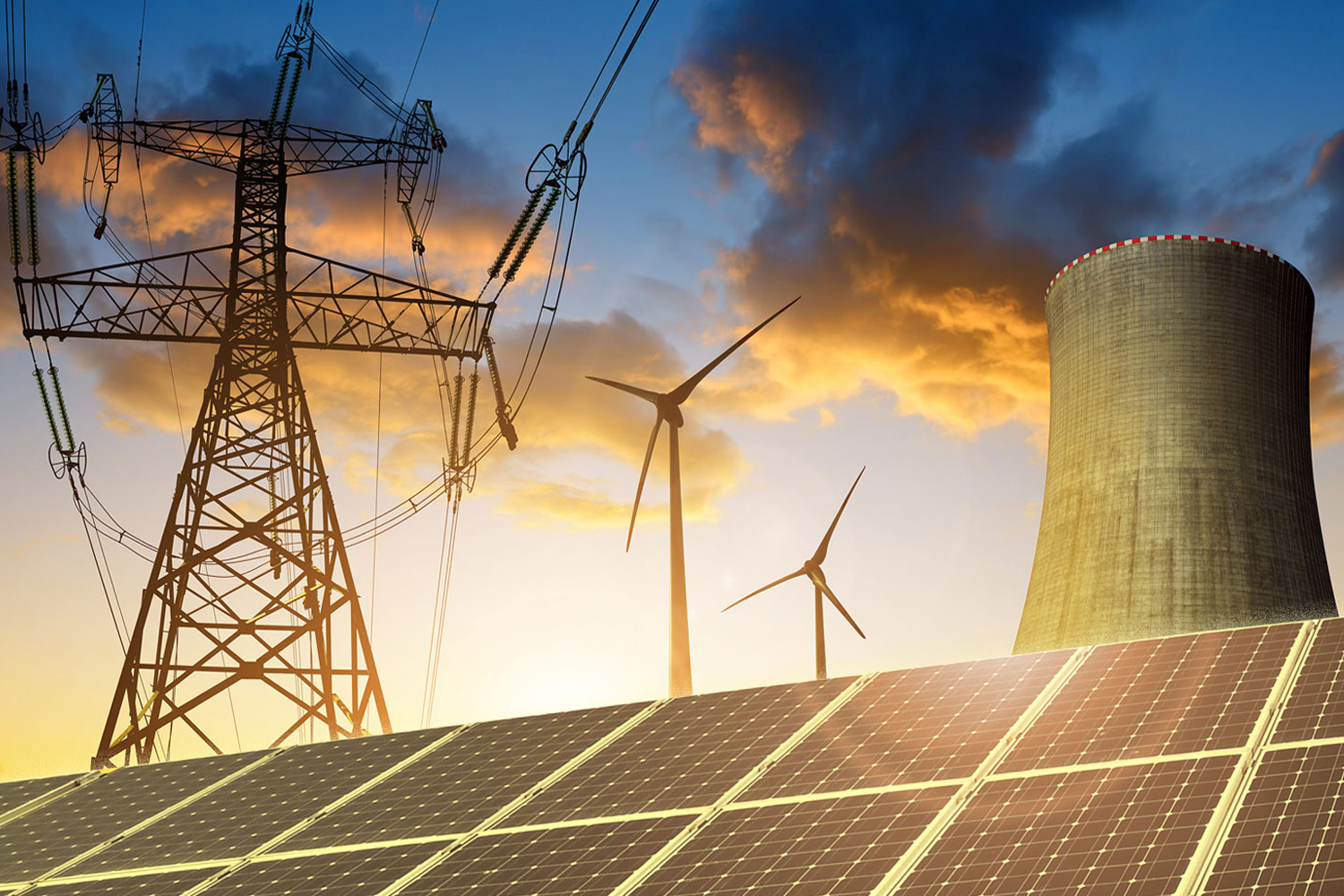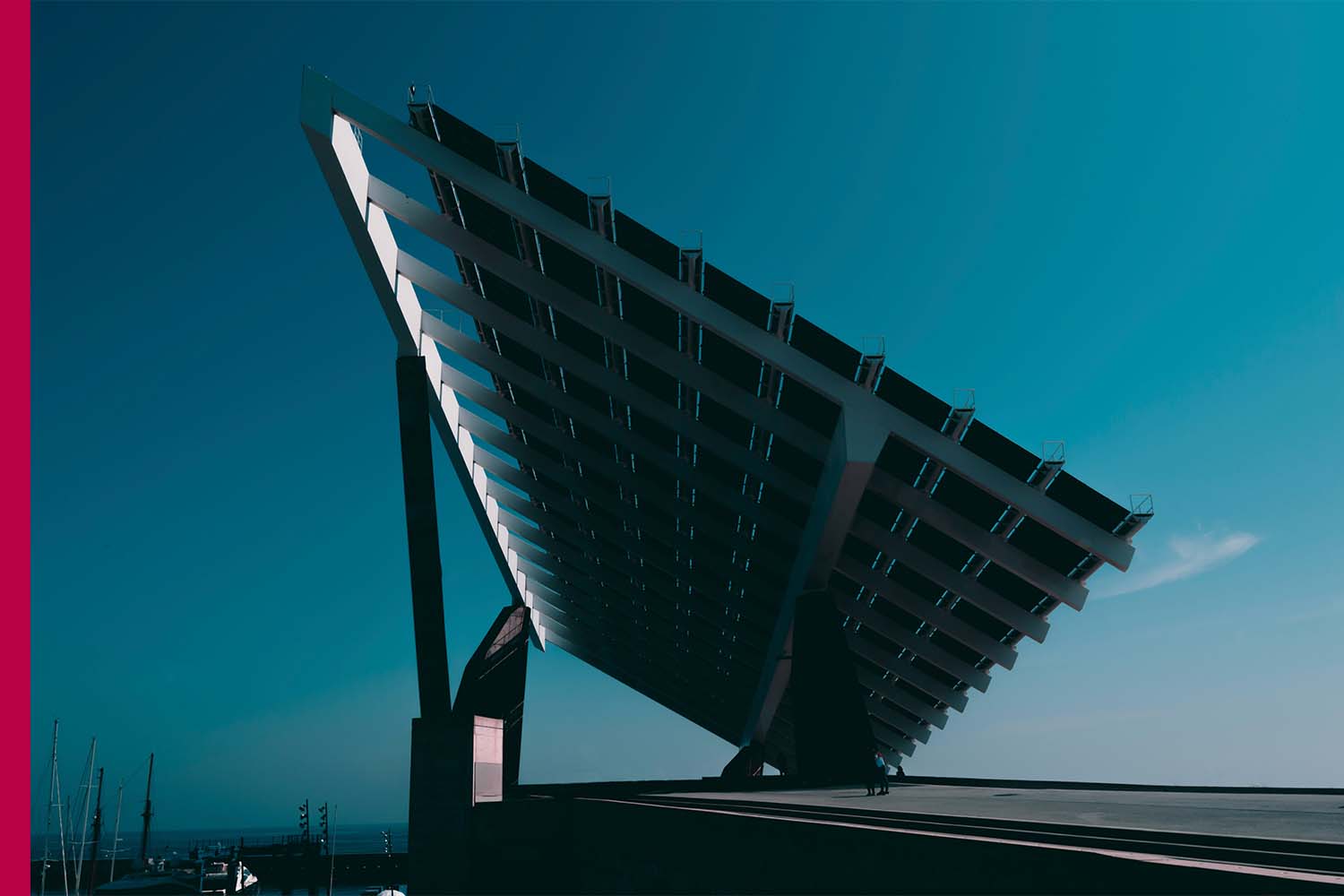





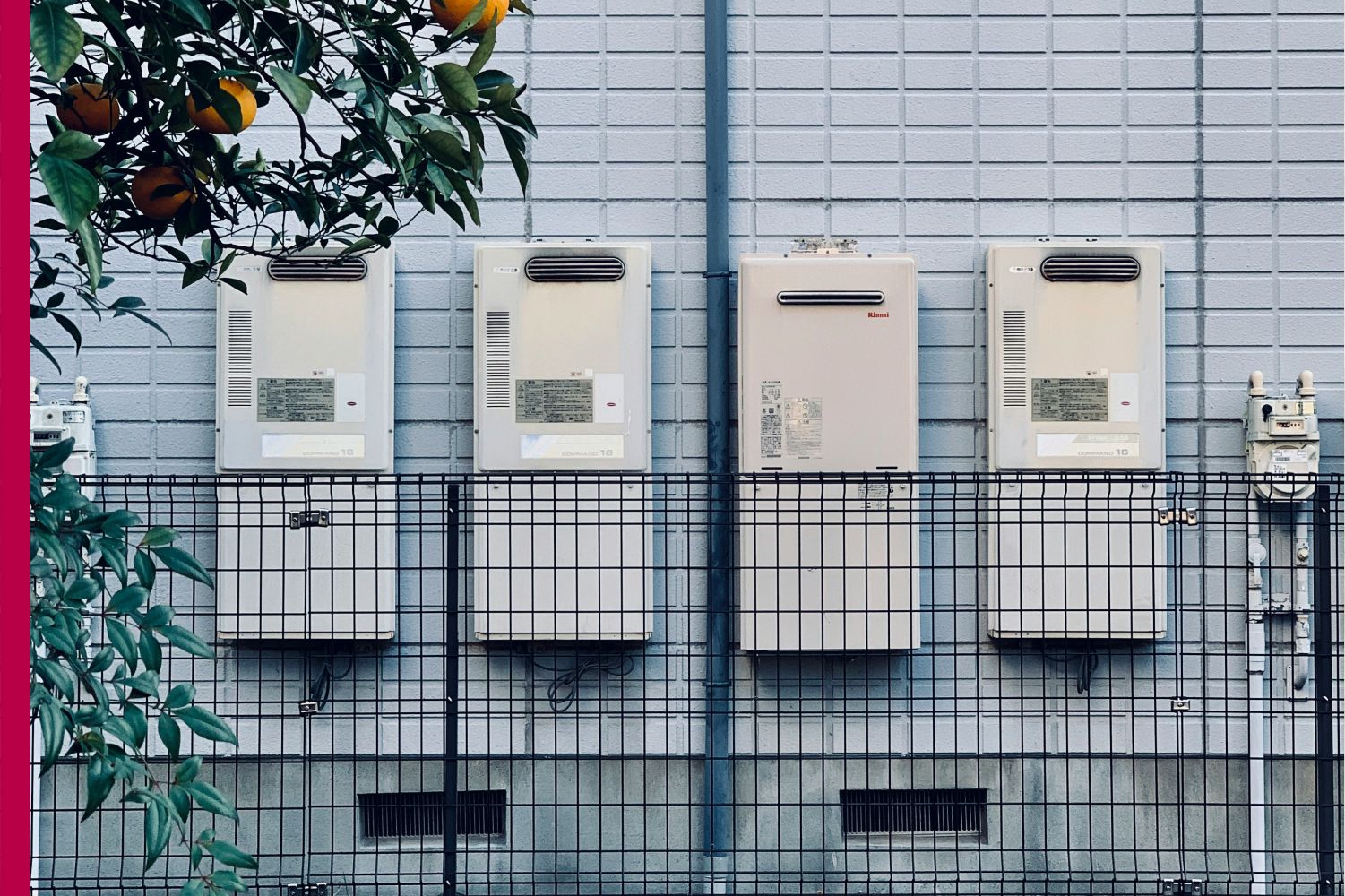


Energy storage solutions have become a critical component in the transition toward a more sustainable and reliable energy system. As the world increasingly adopts renewable energy sources such as solar and wind, the need to store energy efficiently has grown significantly. Unlike traditional power generation, renewable energy is often intermittent, meaning it does not produce electricity consistently. Energy storage helps bridge this gap by capturing excess energy and making it available when needed.
One of the most widely used energy storage technologies is the battery, particularly lithium-ion batteries. These batteries are commonly found in electric vehicles, portable electronics, and large-scale energy storage systems. Their ability to store and release energy quickly makes them ideal for balancing supply and demand. As technology advances, battery efficiency, lifespan, and affordability continue to improve, making them more accessible for both residential and industrial use.
Another important energy storage method is pumped hydro storage. This system uses excess electricity to pump water from a lower reservoir to a higher one. When energy demand increases, the stored water is released to flow back down through turbines, generating electricity. Pumped hydro is one of the oldest and most reliable forms of large-scale energy storage, capable of storing significant amounts of energy over long periods.
Thermal energy storage is also gaining attention as an effective solution. This method stores energy in the form of heat or cold, which can later be converted into electricity or used directly for heating and cooling. For example, molten salt is often used in solar power plants to store heat generated during the day, allowing electricity production even after sunset. This improves the efficiency and reliability of solar energy systems.
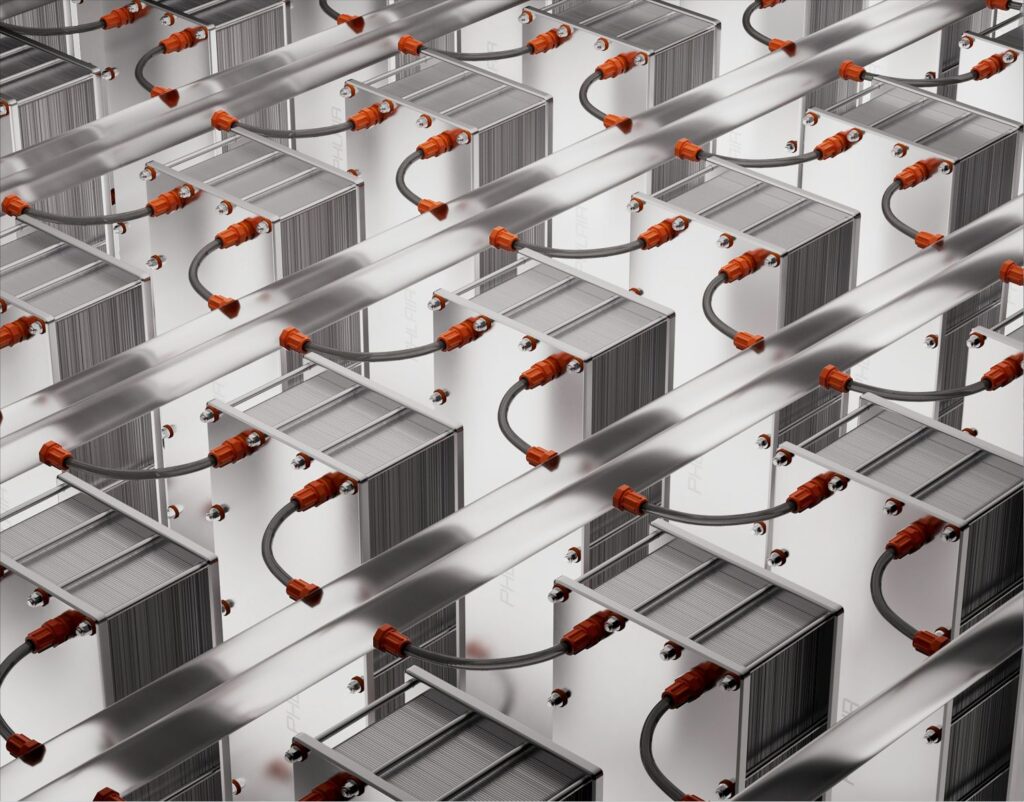
Energy storage solutions play a vital role in supporting renewable energy integration. By storing excess energy produced during peak generation times, these systems prevent wastage and ensure a steady power supply. This is especially important in regions where renewable energy is a major part of the energy mix. Storage systems also help stabilize the grid, reduce power outages, and improve overall energy security.
In addition to large-scale applications, energy storage is becoming increasingly popular at the residential level. Home battery systems allow households to store solar energy generated during the day and use it at night or during power outages. This not only reduces electricity bills but also provides greater independence from the grid. As awareness grows, more consumers are adopting these solutions as part of sustainable living.
Despite the progress, energy storage solutions face challenges such as high initial costs, resource limitations, and environmental concerns related to battery disposal. Ongoing research and innovation aim to develop more sustainable materials, improve recycling processes, and create cost-effective technologies.
In conclusion, energy storage solutions are essential for building a resilient and sustainable energy future. By enabling efficient use of renewable energy and ensuring reliable power supply, these technologies are transforming the global energy landscape. As advancements continue, energy storage will play an increasingly important role in meeting the world’s growing energy demands while reducing environmental impact.