


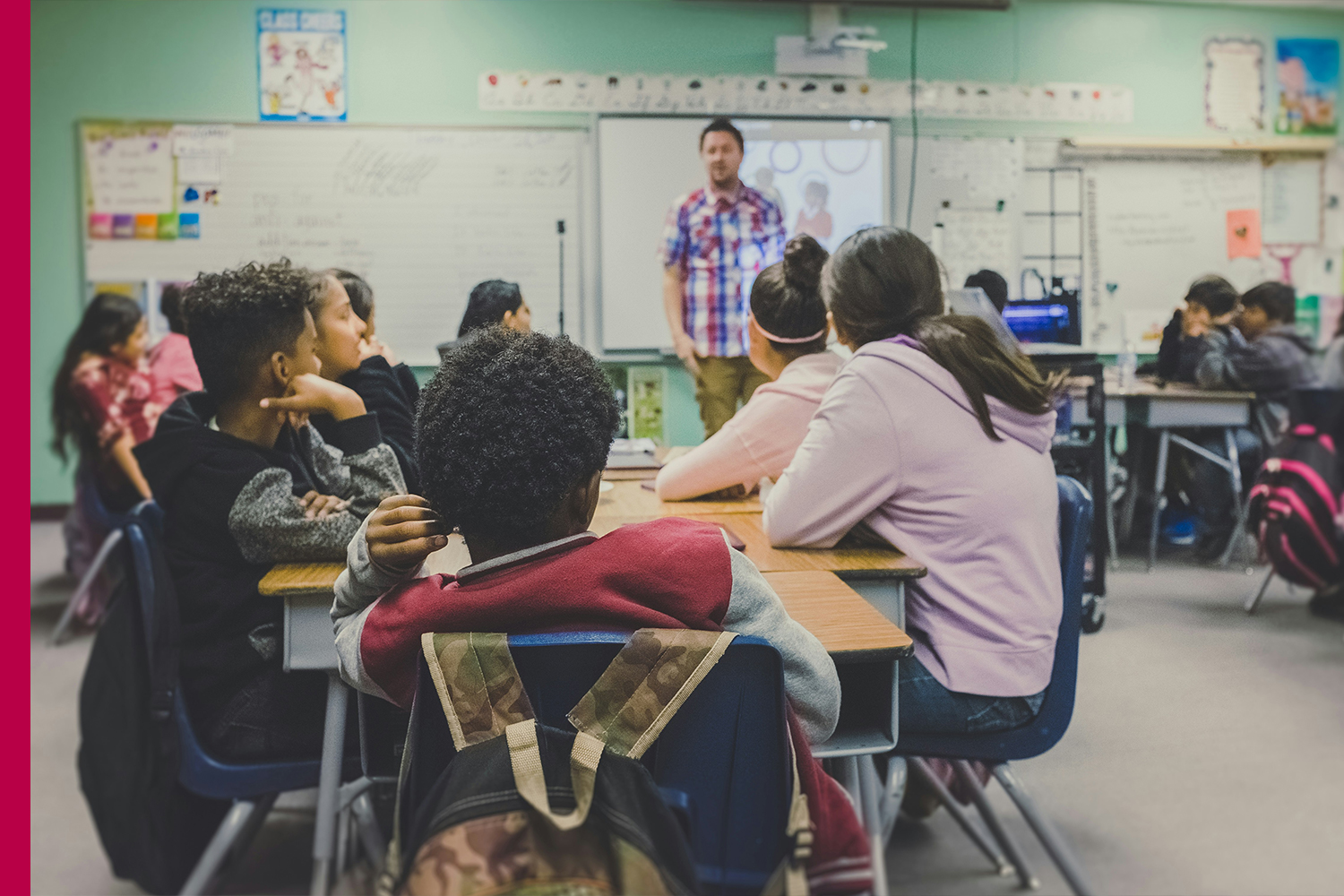
Education is one of the most powerful tools for personal growth, societal progress, and global development. It shapes individuals’ character, enhances their knowledge, and empowers them to achieve their full potential. More than just the acquisition of facts, education is the process of cultivating critical thinking, creativity, discipline, and moral values the qualities that form the foundation of a strong and enlightened society.
The importance of education cannot be overstated. It begins at an early age, laying the groundwork for intellectual and emotional development. Education nurtures curiosity, encouraging young minds to question, explore, and discover. It teaches essential skills such as reading, writing, and arithmetic, which are fundamental to functioning effectively in the modern world. Beyond academics, education also instills values such as empathy, honesty, and responsibility, shaping individuals into well-rounded citizens.
At a societal level, education plays a vital role in economic growth and development. Educated individuals contribute more effectively to the workforce, drive innovation, and increase productivity. Countries with strong educational systems tend to experience greater economic stability and lower poverty rates. When people have access to quality education, they gain the knowledge and skills needed to create businesses, generate employment, and improve living standards. Education is not just a personal investment — it is a powerful engine for national progress.
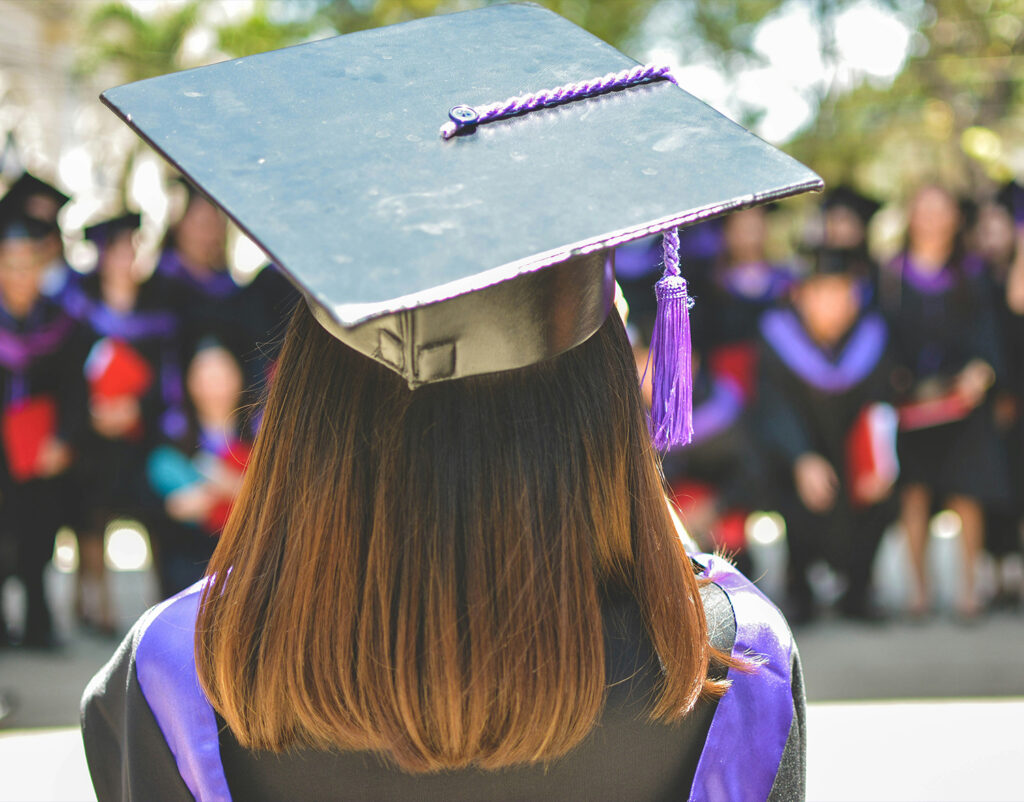
Education also serves as a pathway to equality. It breaks the barriers of gender, caste, and class by giving everyone an equal opportunity to succeed. When girls and boys alike receive education, communities become stronger, healthier, and more prosperous. Educated women, in particular, have a profound impact on society — they are more likely to pursue careers, make informed health decisions, and contribute to their families’ well-being. Thus, education is a key factor in promoting gender equality and social justice.
In today’s fast-changing world, education is more relevant than ever. The rapid advancement of technology and globalization has transformed how people work and communicate. To adapt to these changes, individuals need continuous learning and upskilling. Modern education goes beyond traditional classrooms; it embraces digital tools, online learning, and global collaboration. Lifelong education enables people to stay competitive in the job market and contribute meaningfully to society.
Moreover, education fosters peace and understanding among nations. It helps individuals appreciate diversity, respect different cultures, and resolve conflicts through dialogue rather than violence. Informed citizens are more likely to make rational decisions, uphold democratic values, and contribute to sustainable development.
However, despite its importance, millions around the world still lack access to quality education due to poverty, conflict, or inequality. Bridging this gap requires collective effort — from governments, communities, and individuals — to ensure that education remains a universal right, not a privilege.
In conclusion, education is the cornerstone of human progress. It empowers minds, uplifts communities, and builds nations. An investment in education is an investment in the future — one that yields lifelong benefits for individuals and societies alike. As Nelson Mandela once said, “Education is the most powerful weapon which you can use to change the world.” By valuing and expanding education, we pave the way for a brighter, more equitable, and prosperous future for all.