



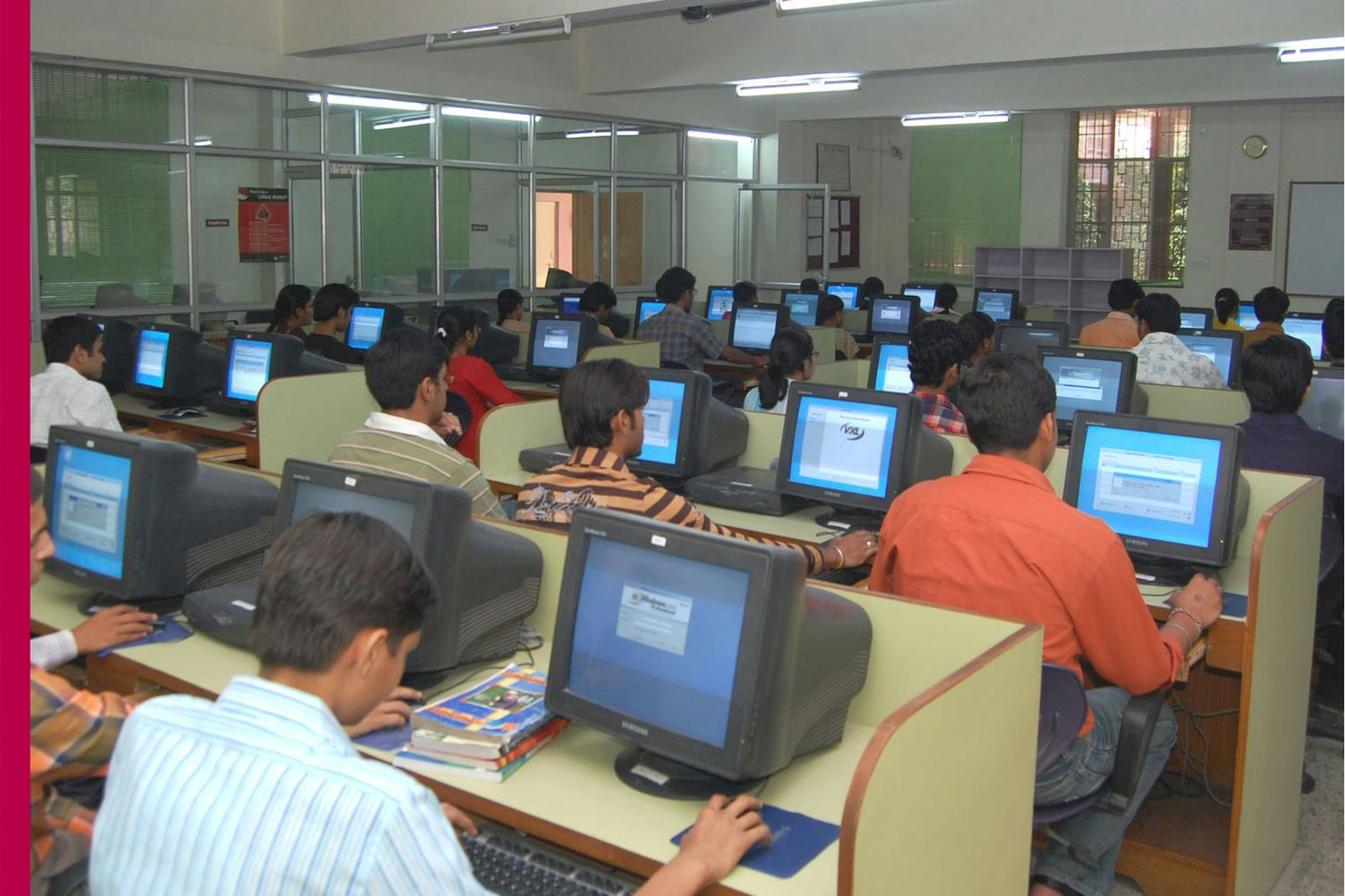
India’s education landscape is undergoing a major transformation fueled by digital technologies. The shift toward online and blended learning has accelerated in recent years, opening new avenues for students, educators, and institutions across the country. From tier-1 cities to rural towns, digital education trends are redefining how knowledge is accessed, delivered, and experienced. This shift is not only expanding learning opportunities but also changing the skills students acquire to prepare them for the future workforce.
One of the biggest digital education trends in India is the widespread adoption of online learning platforms. With the rise of affordable internet and mobile devices, millions of learners are accessing courses, tutorials, and certification programs through apps and web portals. These platforms offer flexibility, allowing students to learn at their own pace and convenience. Many Indians are now opting for online skill-based courses in areas such as coding, digital marketing, data analytics, and language learning, equipping themselves with in-demand competencies that traditional classroom settings may not always provide.
The COVID-19 pandemic played a significant role in accelerating digital education adoption in India. When schools and colleges had to shut down to curb the spread of the virus, educational institutions quickly pivoted to virtual classrooms. Teachers used video conferencing tools to conduct live lessons, share resources, and assess student performance. This shift demonstrated the potential of digital tools to deliver quality education beyond physical campuses, and many institutions have continued to integrate online methods even after resuming in-person classes.
Another noteworthy trend is the rise of hybrid and blended learning models. These models combine online resources with traditional classroom interactions, offering the best of both worlds. Students benefit from face-to-face mentorship while also leveraging digital content for deeper understanding and self-paced revision. Blended learning enhances engagement and accommodates diverse learning styles, making education more inclusive and effective.
Gamification and interactive content are also gaining traction in India’s digital education ecosystem. Educational apps are using game-like elements such as quizzes, badges, and leaderboards to make learning fun and motivating. Such approaches are particularly effective for younger learners, helping them develop foundational skills in subjects like math and languages while maintaining high engagement levels.
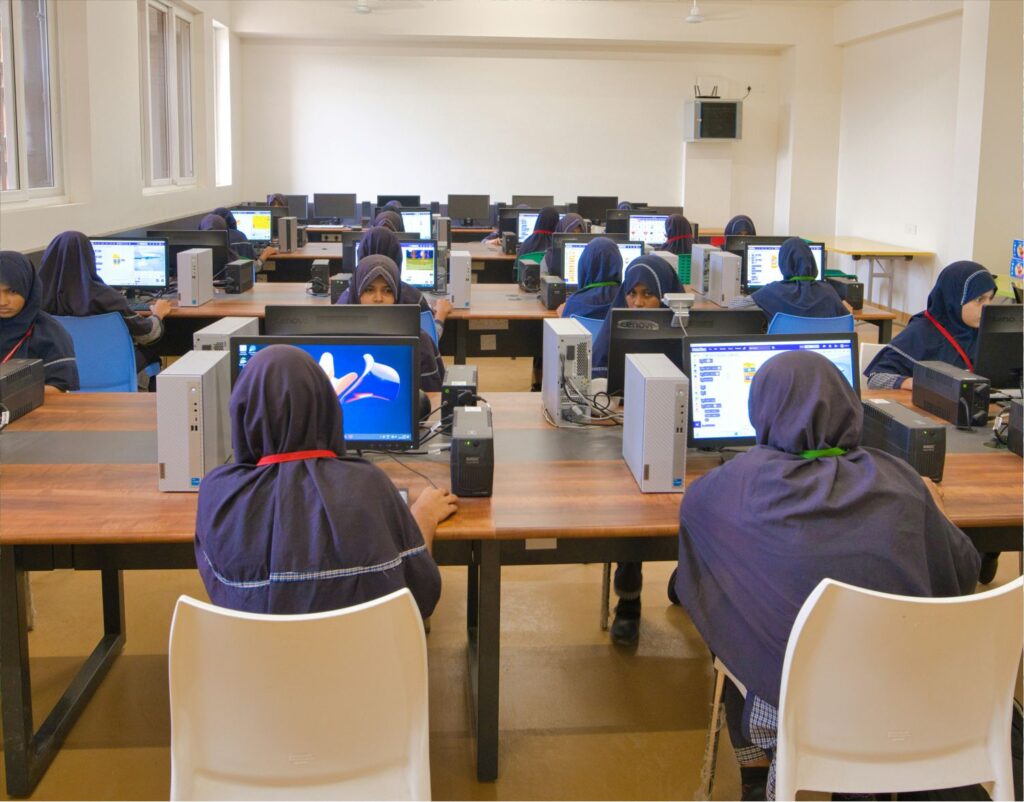
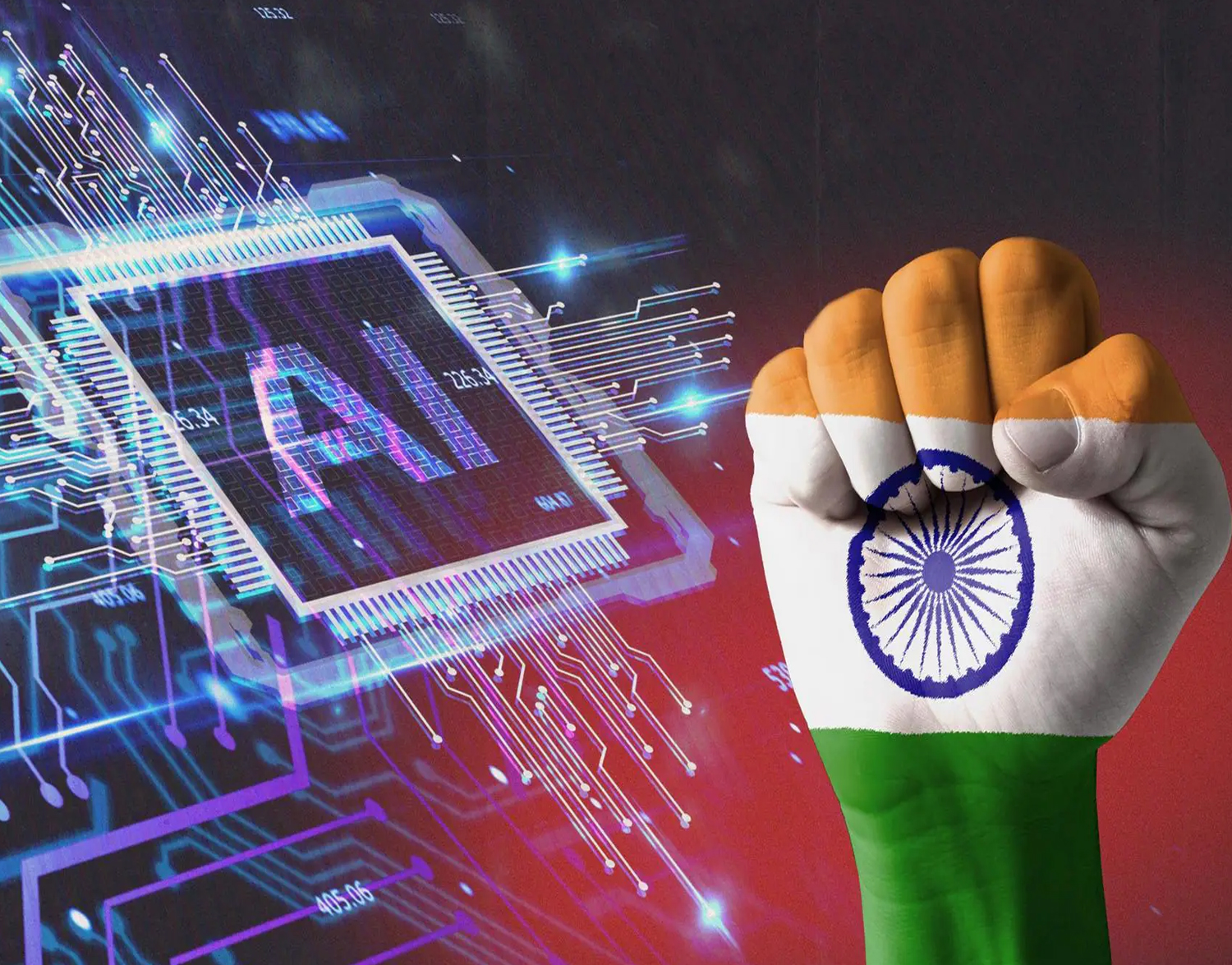
Artificial Intelligence (AI) and data analytics are increasingly being integrated into digital education tools. AI-powered systems can personalize learning paths based on a student’s performance, strengths, and areas needing improvement. These adaptive learning systems help tailor instruction to individual needs, improving learning outcomes. Data analytics also enables educators to track student progress and intervene proactively when support is needed.
In addition to formal education, digital platforms are facilitating lifelong learning and professional development. Working professionals are using e-learning resources to upskill or reskill in response to changing industry demands. Micro-credentials, short-term certifications, and stackable courses are becoming popular, allowing learners to build targeted expertise without committing to lengthy degree programs.
While digital education trends promise significant benefits, challenges remain. Digital infrastructure gaps, especially in remote areas, and disparities in device access continue to pose barriers. Ensuring digital literacy for both students and teachers is essential for maximizing the potential of these technologies.
In conclusion, digital education trends in India are revolutionizing the way learning happens across the nation. By embracing online platforms, hybrid models, interactive content, and AI-enhanced tools, India is moving toward a more flexible, inclusive, and future-ready education system. As technology continues to evolve, so too will the opportunities for learners across all age groups to thrive in a digital world.