


Technology continues to reshape how we interact with the world, and Mixed Reality (MR) stands at the forefront of this transformation. Combining elements of both Augmented Reality (AR) and Virtual Reality (VR), MR merges the physical and digital worlds to create immersive, interactive experiences. It allows digital objects to coexist and interact with real-world environments, opening up endless possibilities for education, healthcare, entertainment, design, and industry.
Mixed Reality goes beyond simply overlaying digital information on the real world. While AR enhances reality with digital visuals and VR immerses users in entirely virtual environments, MR bridges the gap by allowing real and virtual elements to interact in real time. For example, in MR, a user can place a holographic model of a car on a real table, walk around it, change its color, or even open its doors—all while being fully aware of their surroundings. This seamless blending of realities creates a more natural and dynamic user experience.
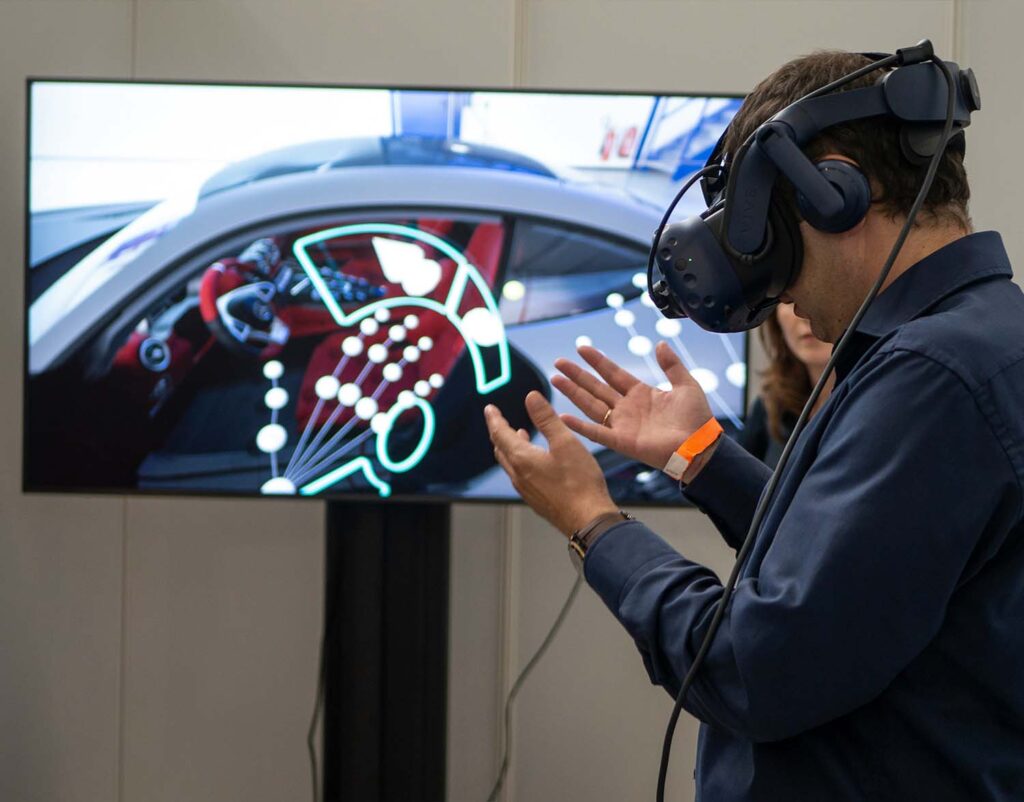
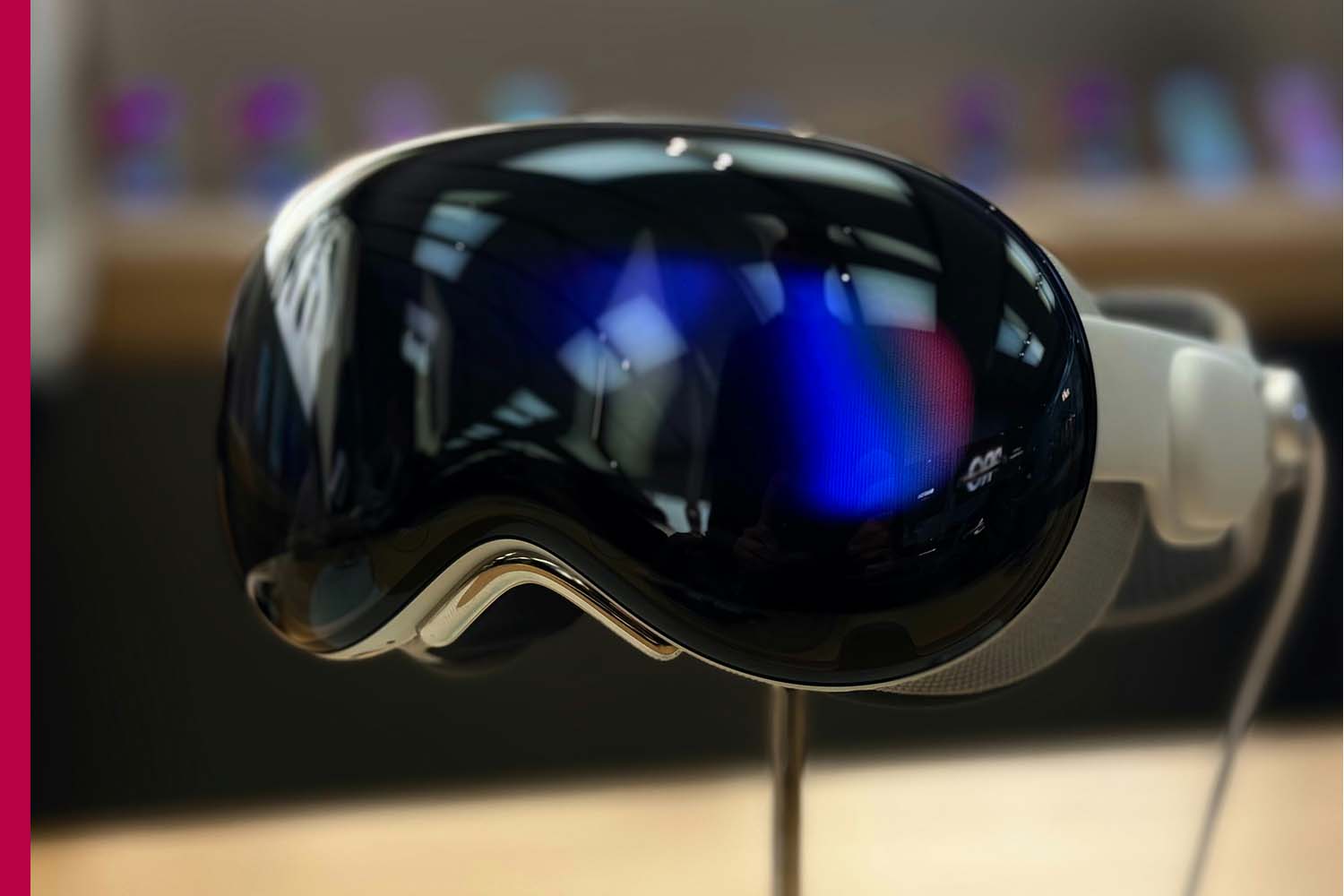
One of the key enablers of MR technology is advanced hardware and sensors. Devices like Microsoft’s HoloLens, Meta Quest Pro, and Magic Leap use cameras, motion sensors, and spatial mapping to track the user’s environment. These tools allow digital content to respond to physical movements and objects with precision. Users can interact with holograms using gestures, voice commands, or handheld controllers, making MR both intuitive and immersive.
The applications of mixed reality are vast and growing rapidly. In education, MR is revolutionizing how students learn. Complex subjects like anatomy, engineering, and astronomy can be visualized and explored in 3D, turning lessons into interactive experiences. Medical students, for instance, can study human organs through holographic simulations, gaining practical insights without the need for cadavers. Similarly, in training and industrial work, MR enables workers to visualize machinery, follow digital guides, or simulate tasks in safe, controlled environments.
The architecture and design industries are also embracing MR. Architects can project digital building models into real-world spaces, allowing clients to walk through and experience designs before construction begins. This interactive approach improves collaboration, reduces errors, and saves time and cost. In retail, MR is transforming how consumers shop—allowing them to virtually try on clothes, visualize furniture in their homes, or explore products in lifelike detail.
Entertainment and gaming remain among the most exciting fields for MR innovation. Games and experiences that blend virtual and real-world elements create unique forms of storytelling and interaction. Imagine playing a game where characters appear in your living room or attending a live concert where virtual effects mix seamlessly with the real stage.
However, the future of MR is not without challenges. High costs, complex hardware, and the need for advanced computing power are still barriers to widespread adoption. But as technology becomes more affordable and accessible, MR is expected to become an integral part of everyday life—much like smartphones are today.
In conclusion, Mixed Reality represents the next evolution of digital interaction, bridging the gap between the real and virtual worlds. It’s redefining how we learn, work, create, and play, offering experiences that are more immersive and meaningful than ever before. As innovation continues, MR promises to unlock new dimensions of creativity and connection—transforming imagination into interactive reality.