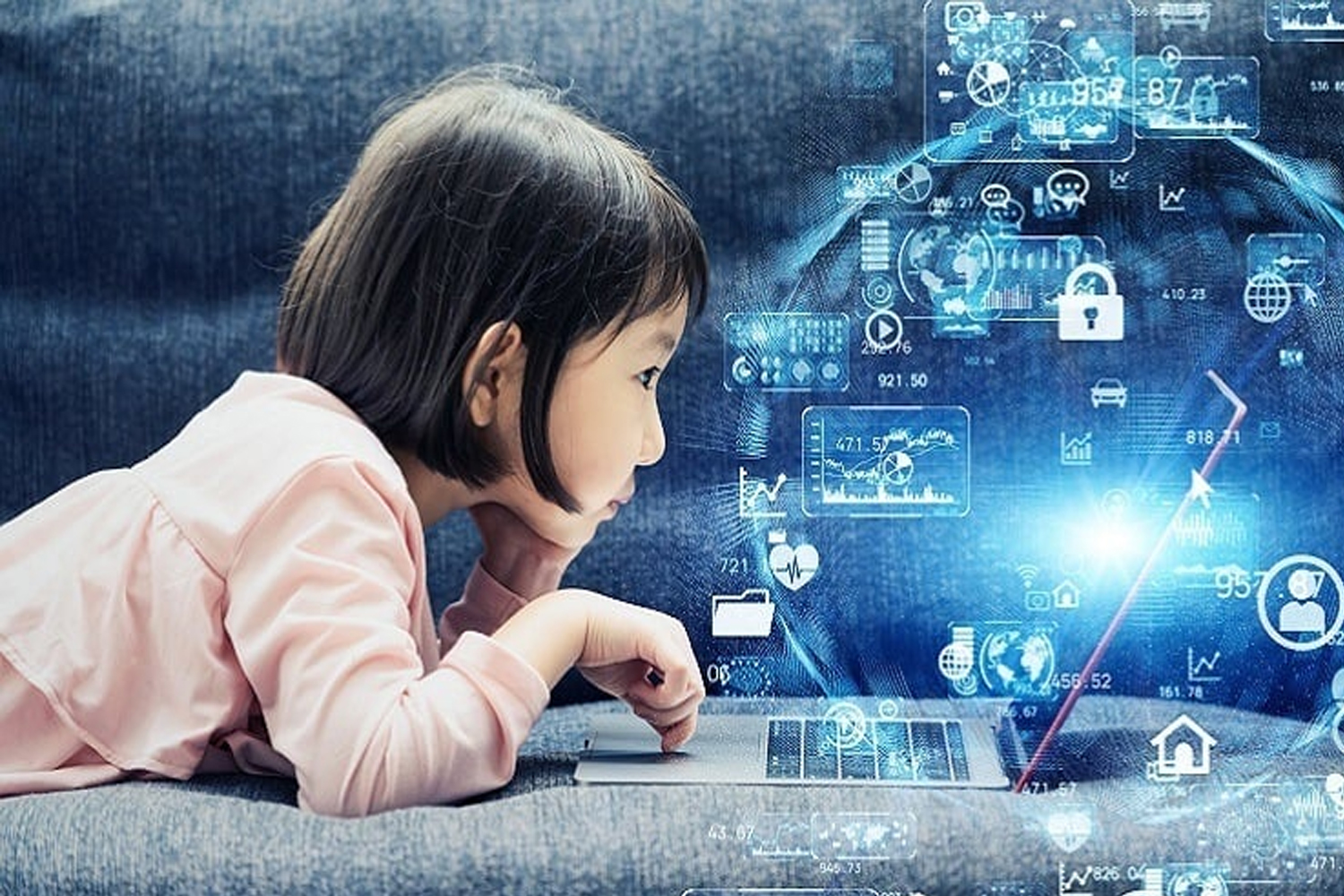




Artificial Intelligence (AI) is rapidly transforming the education sector by redefining how knowledge is delivered, absorbed, and assessed. One of the most powerful impacts of AI in education is its ability to enable personalized learning, where instruction is tailored to the individual needs, pace, and learning style of each student. As classrooms become more digital and data-driven, AI is emerging as a key driver of inclusive, efficient, and outcome-focused education systems.
Personalized learning addresses a long-standing challenge in traditional education: one-size-fits-all teaching. Every student learns differently, but conventional classrooms often struggle to adapt to individual differences. AI-powered learning platforms analyze student data such as performance, behavior, strengths, and weaknesses to customize learning paths. Based on this analysis, AI systems recommend suitable content, adjust difficulty levels, and provide targeted practice, ensuring that each learner receives the support they need.
One of the most common applications of AI in education is adaptive learning software. These tools continuously assess student progress and dynamically modify lessons in real time. For example, if a student struggles with a concept, the system provides additional explanations, examples, or practice exercises. If the student excels, the platform introduces more advanced material. This adaptive approach improves comprehension, boosts confidence, and reduces learning gaps.
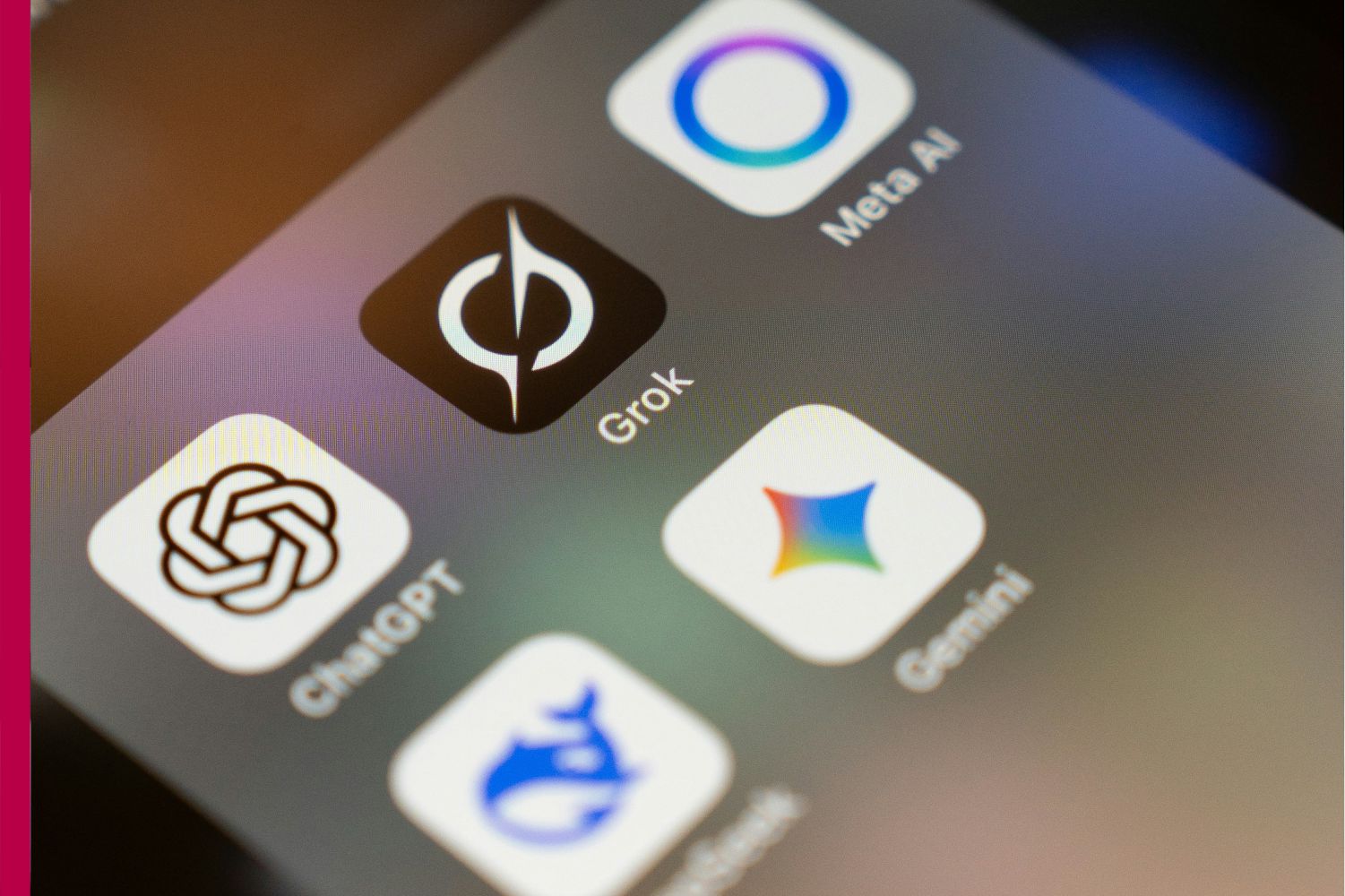
AI also enhances intelligent tutoring systems, which act as virtual tutors available anytime. These systems provide instant feedback, answer questions, and guide students through problem-solving steps. Unlike traditional tutoring, AI tutors scale easily, making personalized academic support accessible to a larger number of students at lower cost.
Teachers also benefit significantly from AI integration. AI-driven tools assist educators with automated grading, assessment, and performance tracking, saving time and reducing administrative workload. Detailed analytics help teachers identify struggling students early and adjust teaching strategies accordingly. This allows educators to focus more on mentoring, creativity, and emotional support—areas where human interaction is essential.
Another important role of AI in education is improving accessibility and inclusion. AI-powered speech recognition, text-to-speech, language translation, and assistive technologies support students with disabilities and those from diverse linguistic backgrounds. These tools help create more equitable learning environments and ensure that quality education reaches a broader population, aligning with global education goals promoted by organizations such as UNESCO.
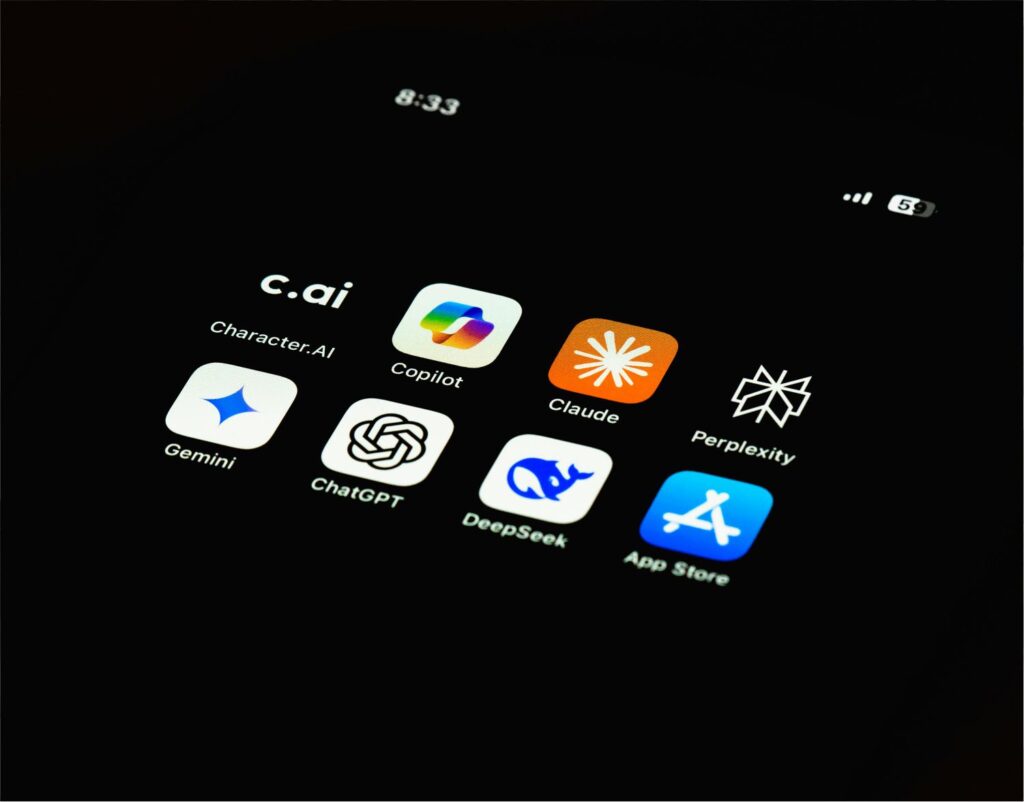
AI is also reshaping online and remote learning. With the growth of digital education platforms, AI helps personalize content delivery, monitor engagement, and reduce dropout rates. Chatbots and virtual assistants support learners by answering questions, sending reminders, and guiding them through courses, enhancing the overall learning experience.
However, the use of AI in education also raises challenges and ethical considerations. Data privacy, algorithm bias, transparency, and over-reliance on technology must be carefully managed. Schools and policymakers must ensure responsible AI use, strong data protection policies, and proper training for teachers and students.
In conclusion, AI in education is revolutionizing personalized learning by making instruction more adaptive, inclusive, and effective. By combining the strengths of technology with human expertise, AI-powered education systems can unlock each learner’s potential and prepare students for a future driven by innovation, critical thinking, and lifelong learning.