


The rapid growth of e-commerce has transformed how consumers shop and how businesses deliver products. Behind every seamless online purchase lies a complex logistics ecosystem that ensures goods move efficiently from warehouses to customers’ doorsteps. Among all logistics stages, last-mile delivery has emerged as the most critical and challenging component of e-commerce logistics, directly shaping customer experience and brand loyalty.
E-commerce logistics covers the entire journey of a product, including inventory management, warehousing, order processing, transportation, and delivery. As online shopping volumes surge, companies are investing heavily in logistics networks to meet rising expectations for faster, cheaper, and more reliable deliveries. Customers now expect same-day or next-day delivery, real-time tracking, and flexible return options, pushing logistics providers to innovate at scale.
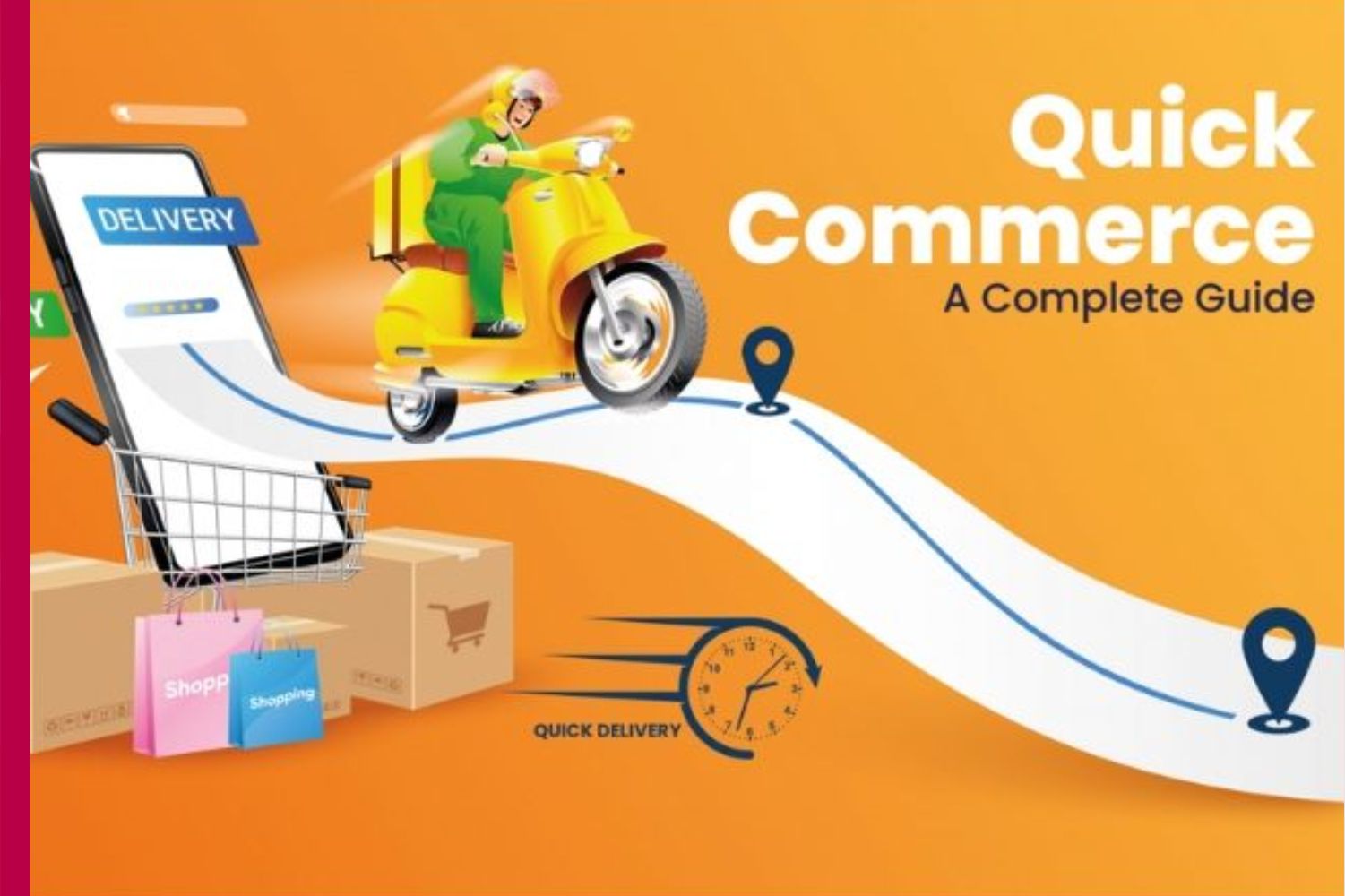
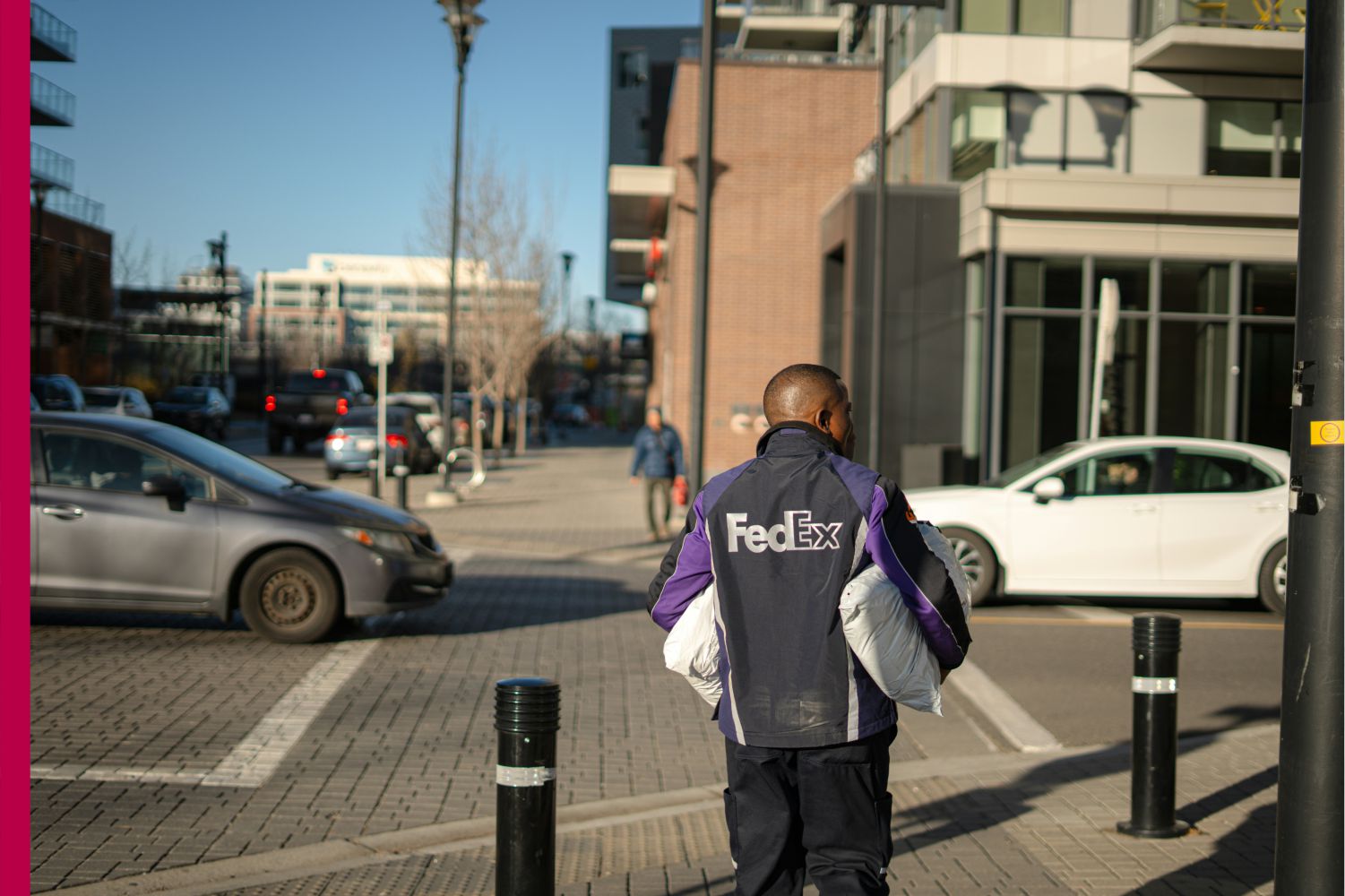
The last-mile delivery phase refers to the final step of transporting goods from a distribution center to the end customer. Although it represents the shortest distance, it is often the most expensive and complex part of the supply chain. Urban congestion, delivery time windows, high fuel costs, and failed delivery attempts add to operational challenges. For e-commerce giants like Amazon, optimizing last-mile delivery is essential to maintaining competitive advantage and customer satisfaction.
One key trend in e-commerce logistics is the expansion of micro-fulfillment centers and urban warehouses. By positioning inventory closer to customers, companies reduce delivery times and transportation costs. This approach supports faster order fulfillment and enables same day delivery in densely populated areas. Retailers are also using dark stores dedicated fulfillment hubs not open to the public—to speed up online order processing.
Technology plays a central role in transforming e-commerce logistics. Advanced route optimization software, artificial intelligence, and data analytics help logistics providers plan efficient delivery routes, predict demand, and minimize delays. Real-time tracking systems improve transparency, allowing customers to monitor deliveries and logistics teams to respond quickly to disruptions. Companies such as DHL leverage digital platforms and automation to enhance delivery efficiency across global networks.

Another important development is the rise of alternative delivery models. These include crowd-sourced delivery, parcel lockers, pick-up points, and autonomous delivery solutions such as drones and delivery robots. These models reduce dependency on traditional courier networks and offer greater flexibility for customers. Parcel lockers and pick-up stations, in particular, help reduce failed delivery attempts and last-mile costs.
Sustainability is becoming a major focus in e-commerce logistics and last-mile delivery. With increasing environmental concerns, companies are adopting electric delivery vehicles, route consolidation, and eco-friendly packaging to reduce carbon emissions. Optimized delivery routes and local fulfillment also contribute to lower fuel consumption and a smaller environmental footprint.
Returns management, often called reverse logistics, is another crucial aspect. Easy and hassle-free returns influence purchasing decisions, but they add complexity and cost to logistics operations. Efficient reverse logistics systems help businesses process returns quickly, restock inventory, and maintain customer trust.
In conclusion, e-commerce logistics and last-mile delivery are central to the success of online retail. As customer expectations continue to rise, businesses must invest in smart logistics infrastructure, digital technologies, and sustainable delivery solutions. By optimizing last-mile operations and embracing innovation, e-commerce companies can improve efficiency, reduce costs, and deliver superior customer experiences in an increasingly competitive digital marketplace.