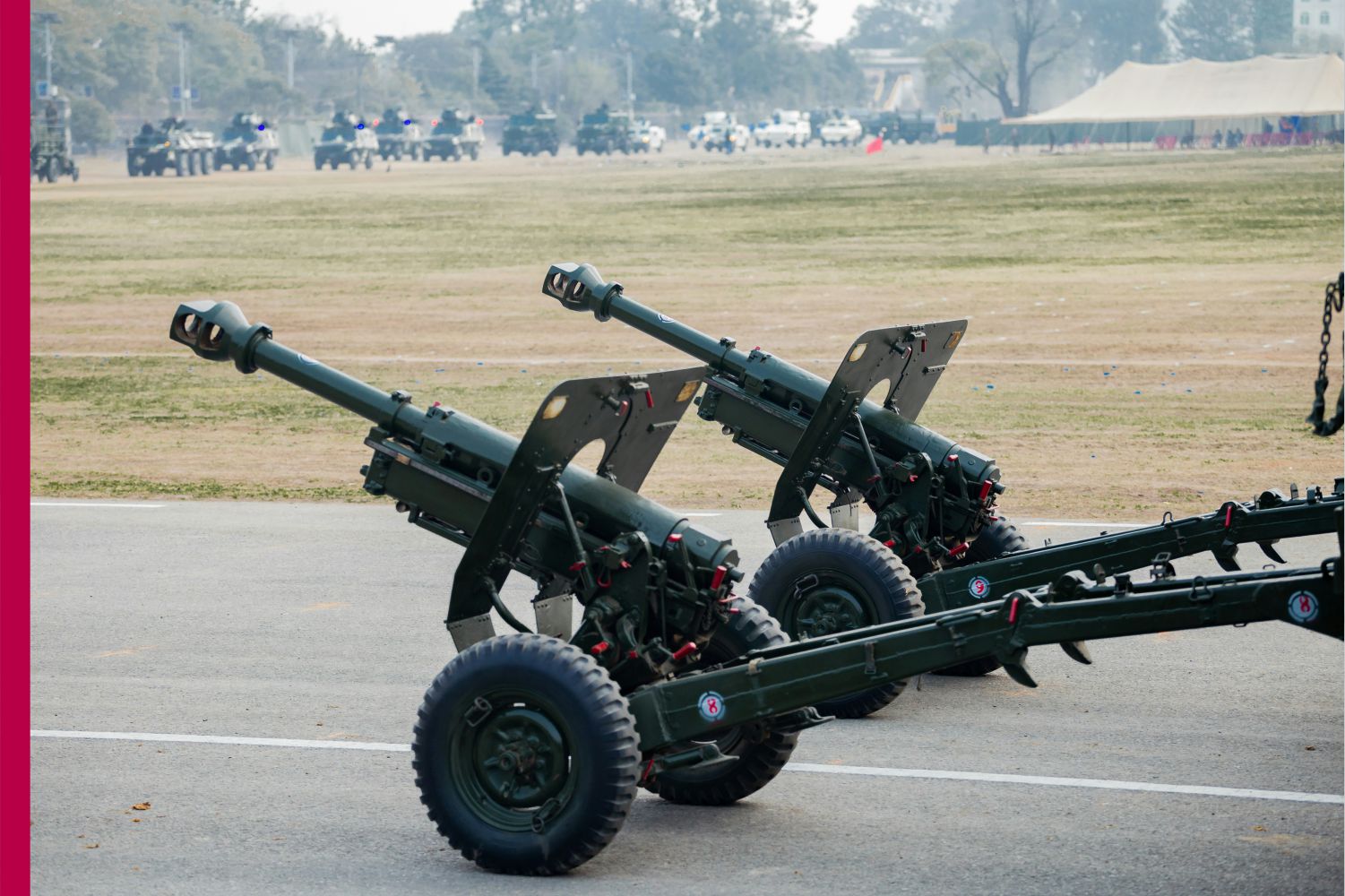





Indigenous defense manufacturing has become a strategic priority for India as the nation works toward self-reliance, technological sovereignty, and enhanced national security. For decades, India relied heavily on defense imports to meet its military requirements. Today, a strong policy push, combined with technological advancements and private sector participation, is transforming India into an emerging global hub for defense production.
A major driver of this transformation is the government’s focus on Atmanirbhar Bharat (self-reliant India). Through this initiative, defense manufacturing has been identified as a critical sector for reducing import dependency and building domestic capabilities. Policies encouraging local production, higher foreign direct investment limits, and simplified procurement processes have created a favorable environment for indigenous defense development.
Organizations such as Defence Research and Development Organisation (DRDO) have played a foundational role in building India’s defense technology base. DRDO has contributed to the development of missiles, radars, electronic warfare systems, drones, and armored vehicles. Indigenous missile systems, surveillance technologies, and combat platforms have significantly strengthened the operational readiness of India’s armed forces.
Public sector undertakings like Hindustan Aeronautics Limited, Bharat Electronics Limited, and Bharat Dynamics Limited have also been central to indigenous manufacturing. These organizations have expanded production of fighter aircraft components, naval systems, communication equipment, and missile systems. Their collaboration with private companies and startups has accelerated innovation and reduced development timelines.
The private sector’s role in defense manufacturing has grown rapidly in recent years. Indian companies are now involved in producing advanced weapons systems, aerospace components, unmanned platforms, and cyber-defense solutions. The emergence of defense corridors in states such as Uttar Pradesh and Tamil Nadu has further boosted infrastructure, investment, and employment opportunities in the sector.

Another important aspect of indigenous defense manufacturing is export growth. India is increasingly exporting defense equipment such as patrol vessels, helicopters, missile systems, and electronic warfare tools to friendly nations. Defense exports not only generate revenue but also enhance India’s strategic influence and global standing. The government’s long-term vision is to position India among the world’s leading defense exporters.
Indigenous manufacturing also brings significant economic and strategic benefits. It creates high-skilled jobs, promotes research and development, and strengthens the domestic supply chain. Local production ensures timely availability of spare parts, reduces maintenance costs, and improves operational readiness during emergencies. From a strategic perspective, self-reliance in defense reduces vulnerability to geopolitical pressures and supply disruptions.
However, challenges remain. Defense manufacturing requires high capital investment, advanced technology, and long development cycles. Bridging technology gaps, improving testing infrastructure, and ensuring quality standards comparable to global benchmarks are ongoing priorities. Stronger collaboration between research institutions, industry, and the armed forces is essential to overcome these challenges.
In conclusion, indigenous defense manufacturing in India is no longer just an aspiration but a rapidly advancing reality. With supportive policies, growing private participation, and continuous innovation, India is building a robust defense industrial ecosystem. As indigenous capabilities expand, India moves closer to achieving strategic autonomy, economic growth, and long-term national security in an increasingly complex global environment.