


The future of warfare is rapidly evolving as advanced technologies reshape how conflicts are planned, executed, and managed. Modern military forces are increasingly relying on innovative systems such as artificial intelligence, autonomous weapons, cyber capabilities, and advanced communication networks. These developments are transforming traditional battlefields into highly digital and technology-driven environments. As nations invest heavily in research and defense innovation, warfare technology is expected to become more precise, intelligent, and strategic in the coming decades.
One of the most significant developments in future warfare is the integration of artificial intelligence in military operations. AI-powered systems can analyze vast amounts of data quickly, helping military leaders make faster and more informed decisions. Intelligence gathering, threat detection, and battlefield monitoring can be significantly improved through machine learning algorithms and automated systems. AI can also support logistics planning, predictive maintenance for military equipment, and real-time analysis of surveillance data, increasing operational efficiency.
Autonomous and unmanned systems are another major trend shaping the future of warfare. Unmanned aerial vehicles, commonly known as drones, are already widely used for surveillance, reconnaissance, and targeted operations. In the future, autonomous drones and robotic systems may operate with minimal human intervention, performing tasks such as intelligence gathering, supply delivery, and battlefield support. These systems reduce risks to human soldiers and allow military forces to operate in dangerous or remote environments.
Cyber warfare is also becoming an increasingly important aspect of modern military strategy. In today’s digital world, nations rely heavily on computer networks, communication systems, and digital infrastructure. Cyber attacks targeting these systems can disrupt military operations, financial systems, transportation networks, and even national security. As a result, countries are strengthening their cyber defense capabilities while developing offensive cyber tools to protect strategic interests. Cyber warfare may become one of the most critical domains of conflict alongside land, air, sea, and space.
Space technology is another area gaining attention in defense strategies. Satellites play a crucial role in navigation, communication, intelligence gathering, and missile detection. Protecting space-based assets and developing advanced satellite systems will be essential for maintaining strategic advantages in future conflicts. Military forces are also exploring technologies such as space-based sensors and communication networks to improve global monitoring and defense coordination.
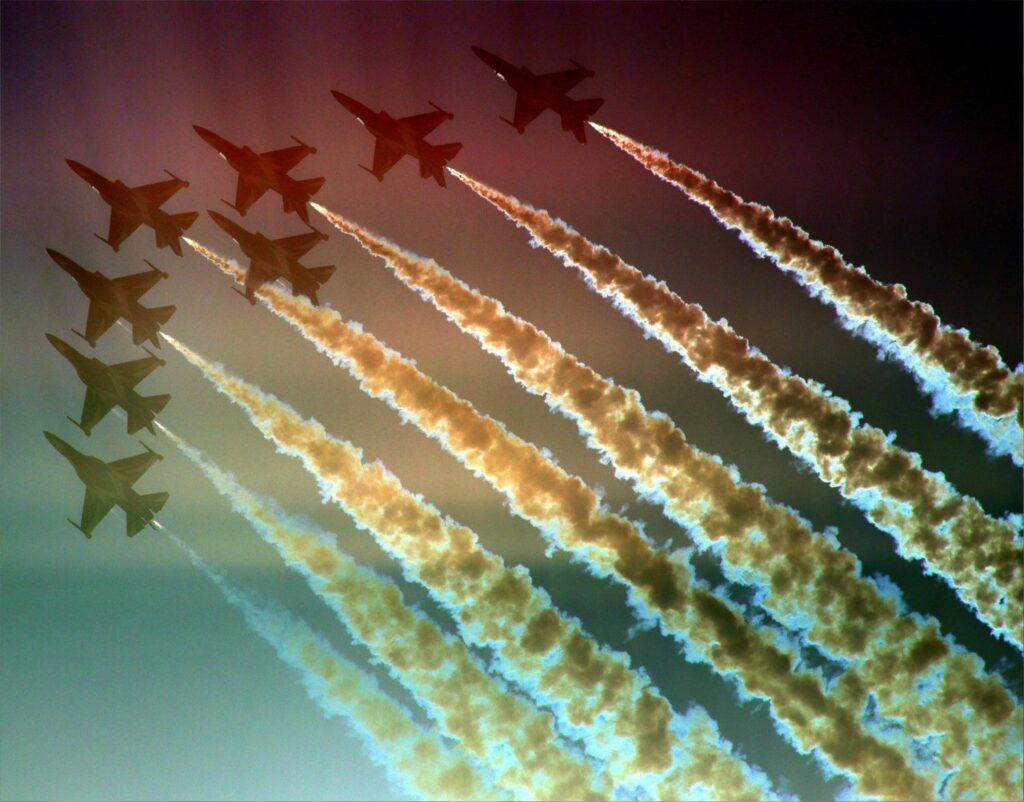
Advanced weapons systems are also evolving with the development of technologies such as hypersonic missiles and directed energy weapons. Hypersonic weapons travel at extremely high speeds, making them difficult to detect and intercept. Directed energy systems, including high-powered lasers, are being developed to intercept missiles, disable drones, and protect military assets. These technologies promise greater precision and faster response times compared to traditional weapons.
The future of warfare technology also emphasizes network-centric operations. Modern military systems are increasingly interconnected through secure communication networks, allowing real-time sharing of information between units, command centers, and intelligence platforms. This connectivity enables coordinated operations and improves situational awareness across multiple battle domains.
However, the rapid advancement of warfare technology also raises important ethical, legal, and security concerns. Autonomous weapons and AI-driven systems may lead to debates about human control in combat decisions. Cyber warfare can affect civilian infrastructure and cause widespread disruption beyond military targets. As technology evolves, governments and international organizations must establish clear regulations and frameworks to manage these risks responsibly.
In conclusion, the future of warfare technology will be defined by innovation, digital transformation, and advanced defense capabilities. Artificial intelligence, autonomous systems, cyber warfare, and space technologies will reshape military strategies and operations. While these advancements can improve security and efficiency, they also require careful oversight and international cooperation to ensure that technological progress is used responsibly in maintaining global stability and peace.