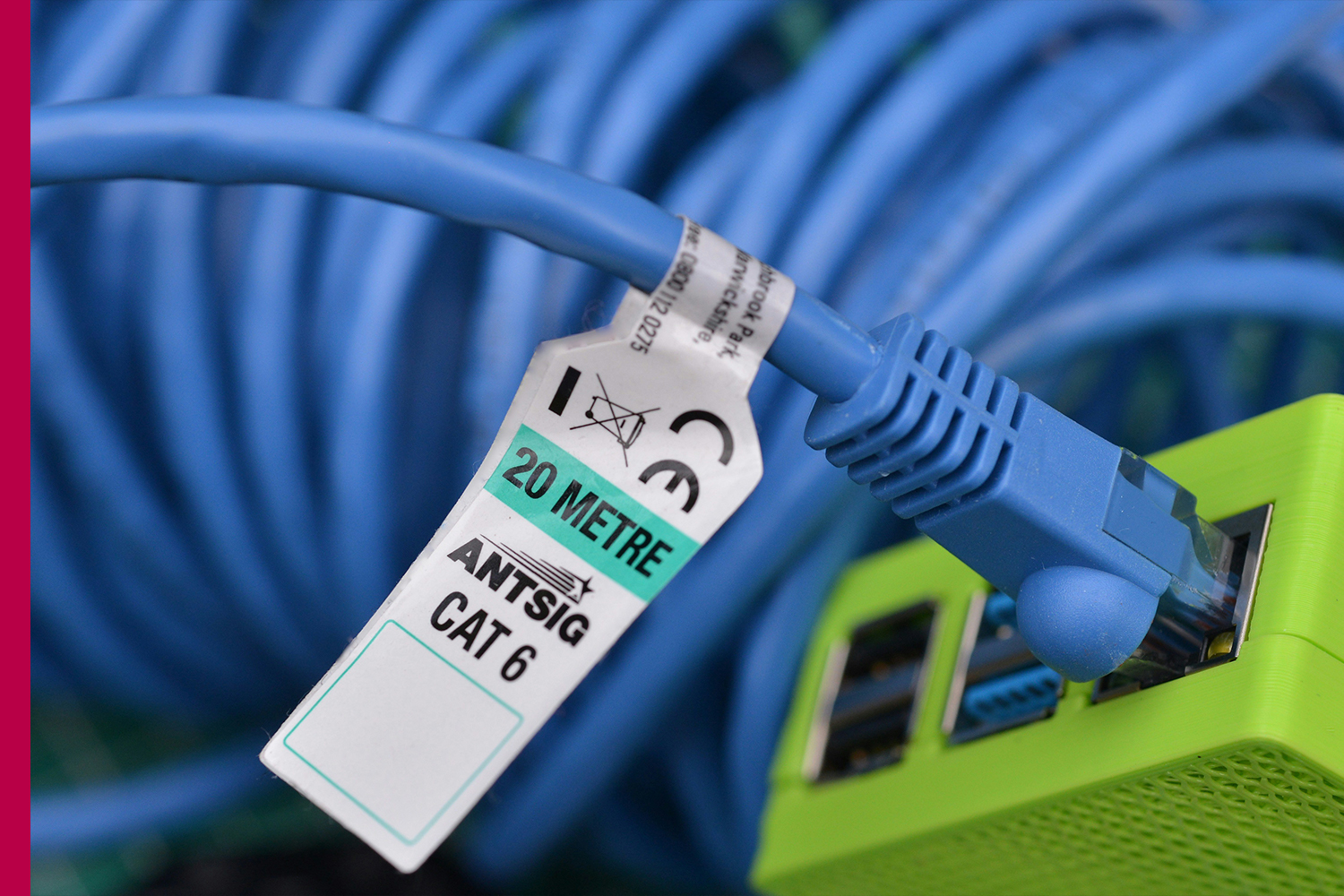





The Internet of Things (IoT) is transforming the way people interact with technology by connecting everyday devices to the internet and enabling them to communicate with each other. From smart homes and wearable devices to industrial machines and smart cities, IoT and connected devices are creating a more intelligent, efficient, and data-driven world. This rapidly growing technology is reshaping industries, improving quality of life, and opening new opportunities for innovation.
At its core, the Internet of Things refers to a network of physical objects embedded with sensors, software, and connectivity that allow them to collect and exchange data. These connected devices can monitor environments, analyze information, and take automated actions with minimal human intervention. Examples include smart thermostats that adjust temperature automatically, fitness trackers that monitor health metrics, and connected vehicles that enhance safety and navigation.
One of the biggest advantages of IoT is automation and efficiency. Connected devices can perform tasks automatically based on real-time data, reducing manual effort and human error. In homes, IoT enables smart lighting, security systems, and energy management solutions that improve comfort while lowering energy consumption. In businesses, connected devices streamline operations, optimize workflows, and enhance productivity.
IoT also plays a critical role in data collection and decision-making. Sensors embedded in devices continuously generate valuable data that can be analyzed to gain insights and predict outcomes. In manufacturing, IoT-powered machines monitor performance and detect potential issues before breakdowns occur, reducing downtime and maintenance costs. In agriculture, connected sensors help farmers monitor soil conditions, weather patterns, and crop health, leading to higher yields and better resource management.
Healthcare is another sector experiencing significant benefits from IoT and connected devices. Wearable health monitors track vital signs such as heart rate, activity levels, and sleep patterns, allowing individuals and doctors to monitor health in real time. Remote patient monitoring improves care for chronic conditions, reduces hospital visits, and enables faster medical interventions when necessary.
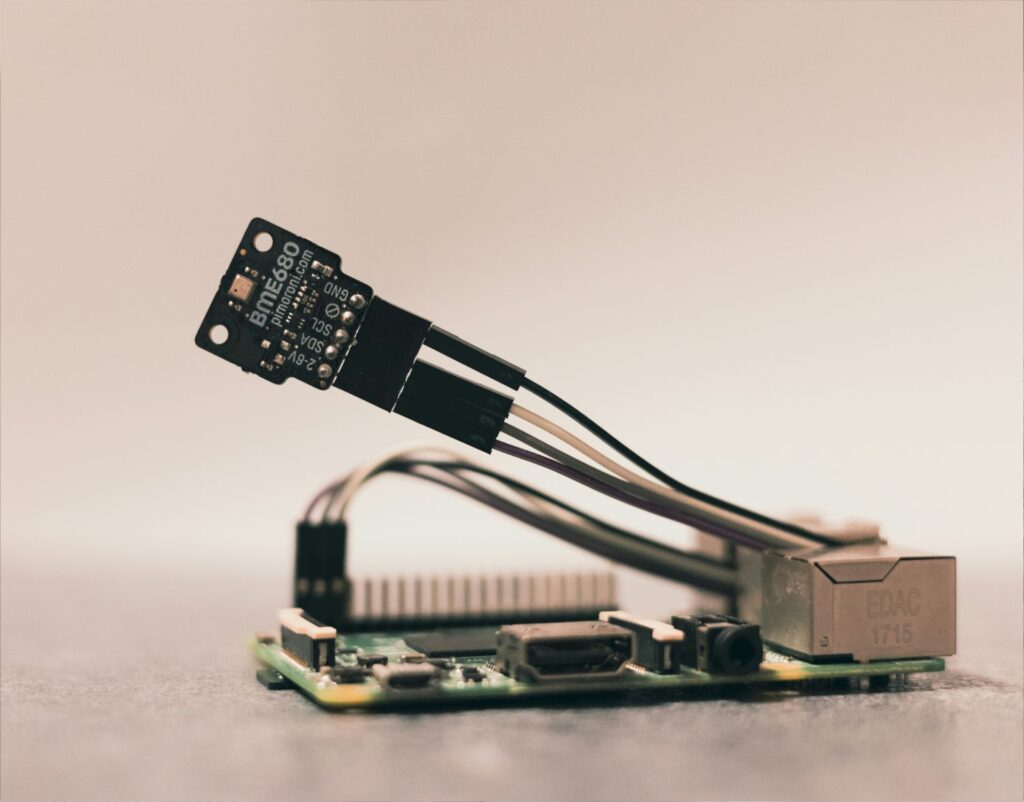
Smart cities are a growing application of IoT technology. Connected devices are used to manage traffic systems, monitor air quality, optimize waste management, and improve public safety. By analyzing real-time data, city authorities can make informed decisions that enhance urban living, reduce congestion, and promote sustainability.
Despite its many benefits, the Internet of Things also presents challenges. Data security and privacy are major concerns, as connected devices collect and transmit large volumes of sensitive information. Ensuring secure communication, protecting user data, and preventing cyberattacks are critical for building trust in IoT systems. Additionally, compatibility and standardization issues can arise due to the wide variety of devices and platforms available.
Scalability and infrastructure requirements are also important considerations. As the number of connected devices continues to grow, reliable network connectivity and data management systems are essential to support large-scale IoT deployments. Advances in cloud computing, edge computing, and high-speed networks are helping address these challenges.
In conclusion, the Internet of Things and connected devices are transforming the digital landscape by enabling smarter homes, businesses, healthcare systems, and cities. Through automation, real-time data analysis, and improved connectivity, IoT enhances efficiency, convenience, and decision-making. As technology continues to evolve, IoT will play an increasingly important role in shaping a connected, intelligent, and sustainable future.