



5G technology represents the next major evolution in wireless communication, promising faster speeds, lower latency, and the ability to connect millions of devices simultaneously. As industries and consumers increasingly rely on digital connectivity, 5G is set to transform how people communicate, work, and interact with technology. Its impact goes far beyond faster mobile internet, enabling innovation across multiple sectors.
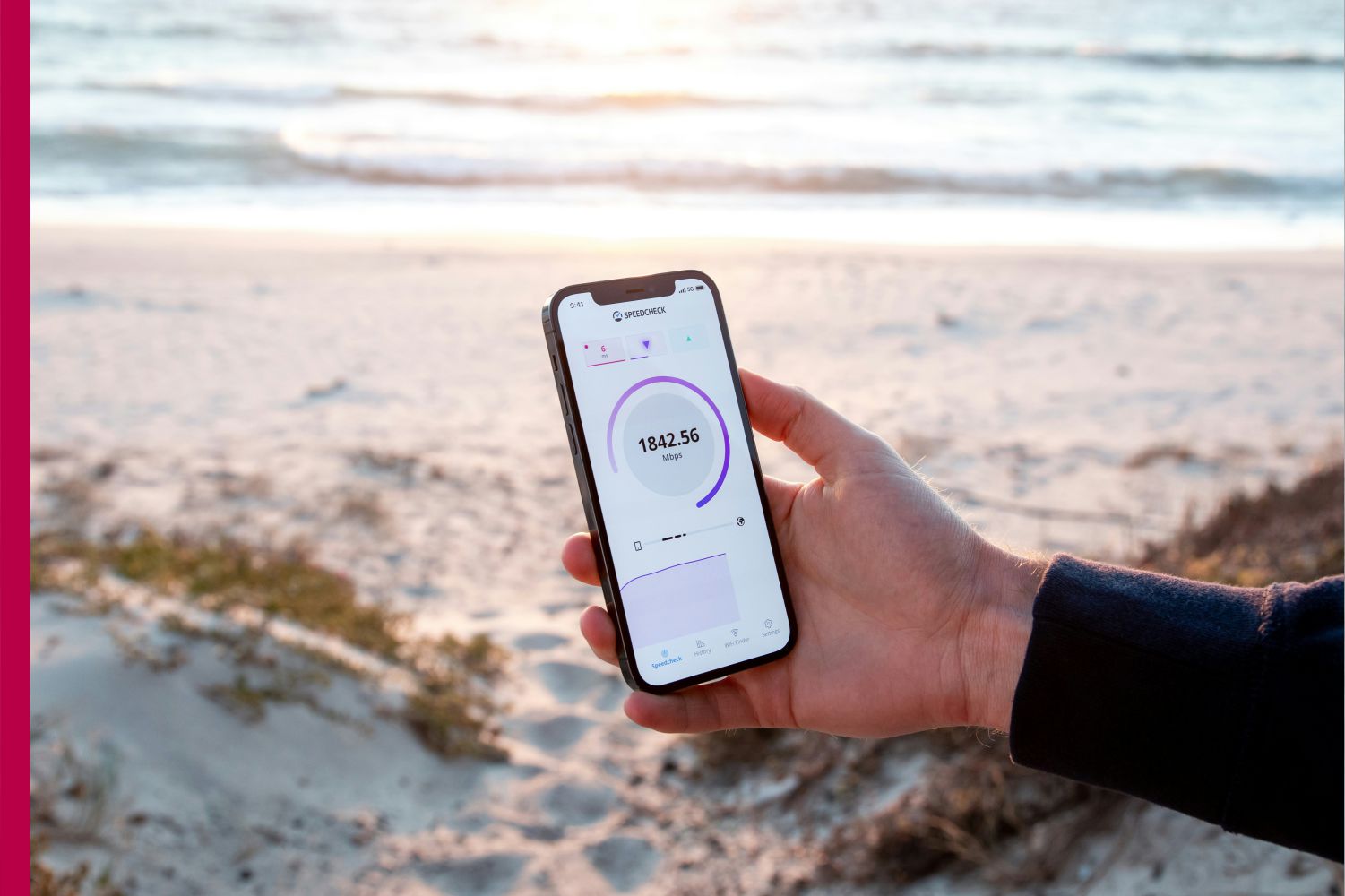
One of the most significant benefits of 5G technology is ultra-high data speed. Compared to previous generations, 5G can deliver data speeds many times faster, allowing users to download large files, stream high-definition content, and access cloud services almost instantly. This enhanced speed improves user experience and supports data-intensive applications such as virtual reality and augmented reality.
Low latency is another key advantage of 5G. Latency refers to the time it takes for data to travel from one point to another. With 5G, latency is reduced to milliseconds, enabling near real-time communication. This is critical for applications that require instant responses, such as autonomous vehicles, remote surgery, and industrial automation. Low latency improves reliability and opens new possibilities for mission-critical operations.
5G technology also offers greater network capacity. It can support a massive number of connected devices without compromising performance. This is essential in the era of the Internet of Things, where smart devices, sensors, and machines continuously exchange data. Smart homes, smart cities, and connected infrastructure rely on 5G to function efficiently and securely.

In the healthcare sector, 5G enables advanced telemedicine and remote patient monitoring. Doctors can conduct virtual consultations with high-quality video, while real-time data from wearable devices helps monitor patient health. In emergencies, 5G-supported technologies allow faster communication and improved coordination among medical teams.
The manufacturing and industrial sectors benefit significantly from 5G through smart factories and automation. Connected machines and robots can communicate seamlessly, improving production efficiency and reducing downtime. Predictive maintenance powered by real-time data helps prevent equipment failures and optimize operations.
Entertainment and media are also being transformed by 5G technology. Faster speeds and lower latency support immersive experiences such as cloud gaming, live streaming, and interactive content. Users can enjoy high-quality entertainment on the go without buffering or delays.
In conclusion, 5G technology delivers powerful benefits that extend far beyond improved mobile connectivity. With its high speed, low latency, and massive device support, 5G enables innovative use cases across healthcare, industry, transportation, and entertainment. As 5G networks continue to expand, they will play a vital role in driving digital transformation and shaping a more connected and intelligent future.