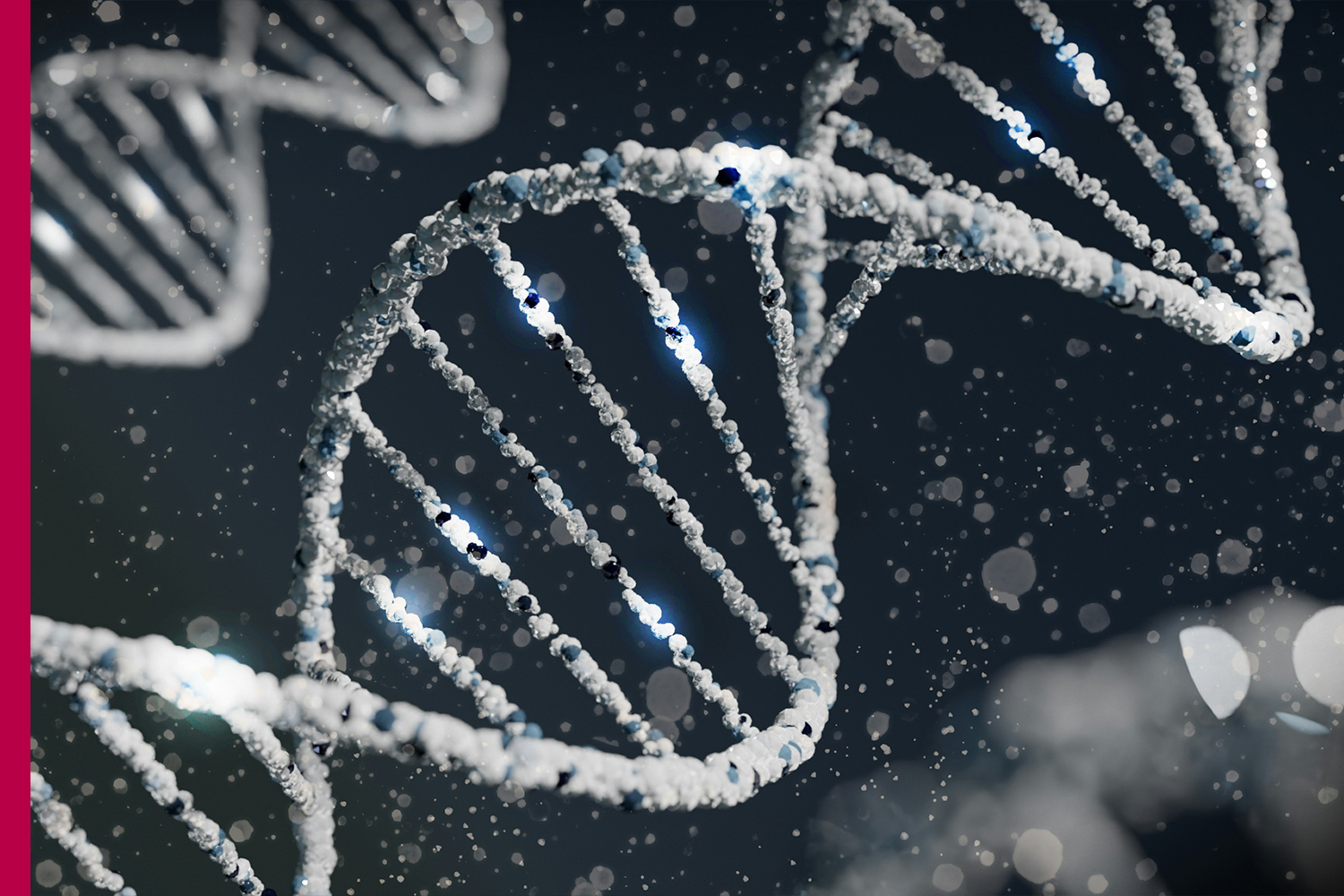




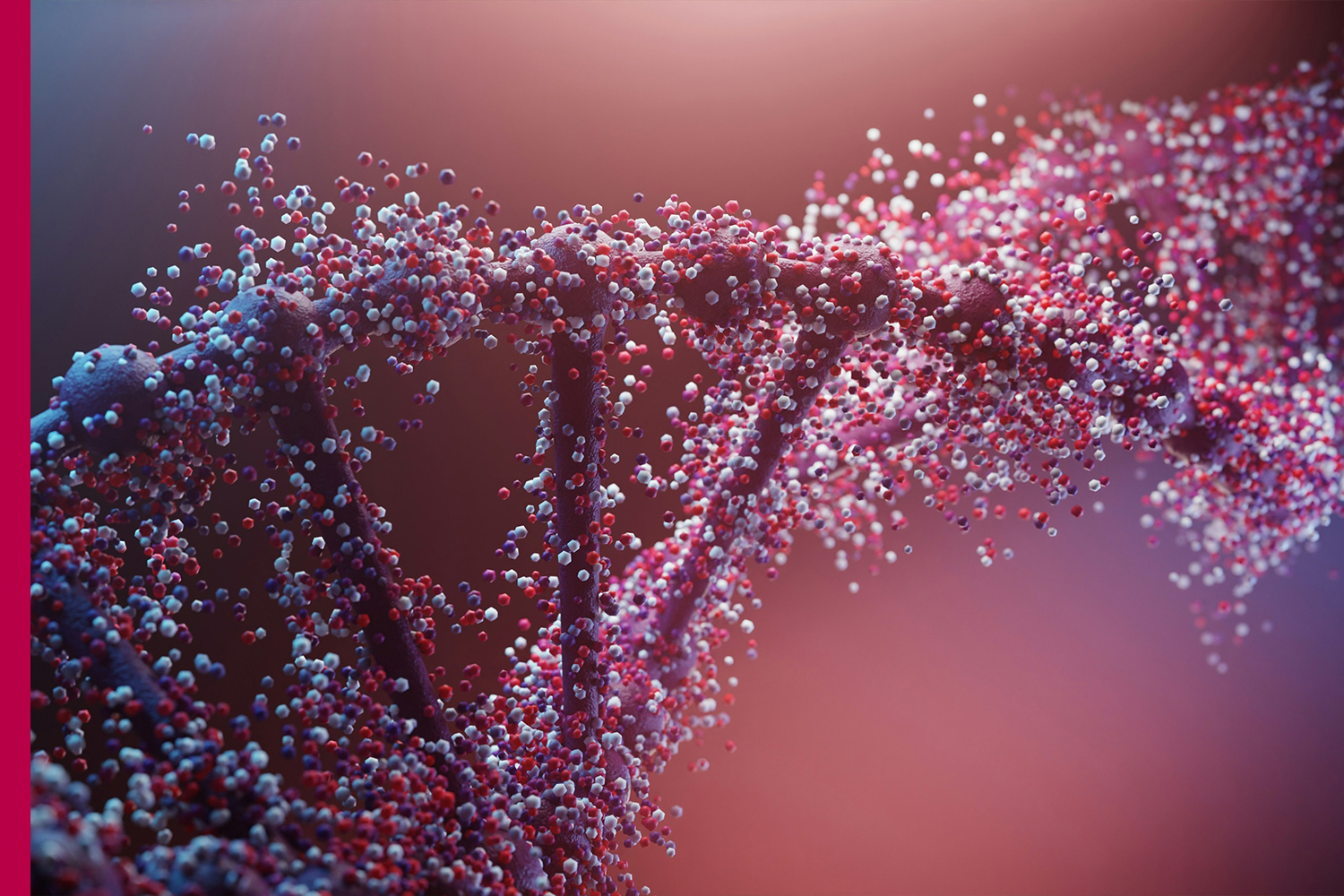
Biotechnology is one of the most transformative fields of modern science, with the potential to revolutionize healthcare, agriculture, environmental sustainability, and countless industries. From gene editing and personalized medicine to biofuels and sustainable materials, biotech innovations continue to push the boundaries of possibility. However, behind every breakthrough lies a complex landscape filled with scientific, regulatory, financial, and ethical challenges. The path to success in biotechnology is far from easy, and understanding these difficulties sheds light on why progress in this field can be slow, costly, and uncertain.
One of the greatest difficulties in biotech is scientific complexity. Biotechnology deals with living organisms, genetic structures, and intricate biological processes that are not always predictable. Even small changes in laboratory conditions can drastically alter outcomes. Developing new treatments or technologies requires years—sometimes decades of research, testing, and troubleshooting. Failures are common, and even promising results in early stages may not translate successfully to real-world applications.
Another major challenge is regulation and approval processes. Biotech products, especially in healthcare, must undergo strict testing to ensure safety and effectiveness. Regulatory bodies such as the FDA and global health authorities require extensive clinical trials, documentation, and compliance with rigorous standards. These steps are crucial for public safety but often slow down innovation. A new drug, for example, might take 10–15 years to reach the market, and many candidates never make it past the testing phases.
Biotech companies also face significant financial barriers. Research and development in this sector are extremely expensive, involving advanced equipment, skilled specialists, and lengthy trials. Startups often rely on investors, grants, or partnerships to sustain operations. Financial risks are high, as a single failed trial can result in massive losses. Balancing innovation with profitability becomes a constant struggle, especially for smaller companies competing with large, established corporations.
Ethical concerns add another layer of difficulty. Technologies like gene editing, cloning, and synthetic biology raise questions about safety, morality, and long-term consequences. Society must carefully balance scientific progress with ethical responsibility. Issues such as genetic privacy, biohazards, and environmental impacts require thoughtful regulation and public dialogue. Biotech advancements can easily ignite debates, slowing their acceptance or implementation.
In addition, biotech depends heavily on skilled talent, and there is often a shortage of experts trained in specialized areas like genomics, molecular biology, bioinformatics, and bioprocess engineering. Recruiting and retaining these professionals is essential but challenging, especially for smaller organizations with limited budgets.
Another significant challenge is scalability. A process that works perfectly in a laboratory setting may be difficult or expensive to reproduce on a large scale. Manufacturing biological products like vaccines, enzymes, or genetically engineered crops requires precision, advanced facilities, and robust quality control systems. Scaling up without compromising quality or safety is a complex task.
Finally, biotech advancements can face public skepticism. Misunderstanding of scientific concepts, distrust in new technologies, or misinformation can hinder acceptance. Public perception plays a major role in areas like genetically modified foods, vaccines, and synthetic biology.
Despite these difficulties, biotechnology continues to move forward, driven by innovation, collaboration, and the ongoing need for solutions in healthcare, agriculture, and environmental protection. Overcoming these challenges requires persistence, investment, ethical responsibility, and global cooperation. With continued progress, biotech will remain a cornerstone of future development, shaping a healthier and more sustainable world.